
Aluminum vs. Polycarbonate Luggage: A Brand Buyer’s Guide
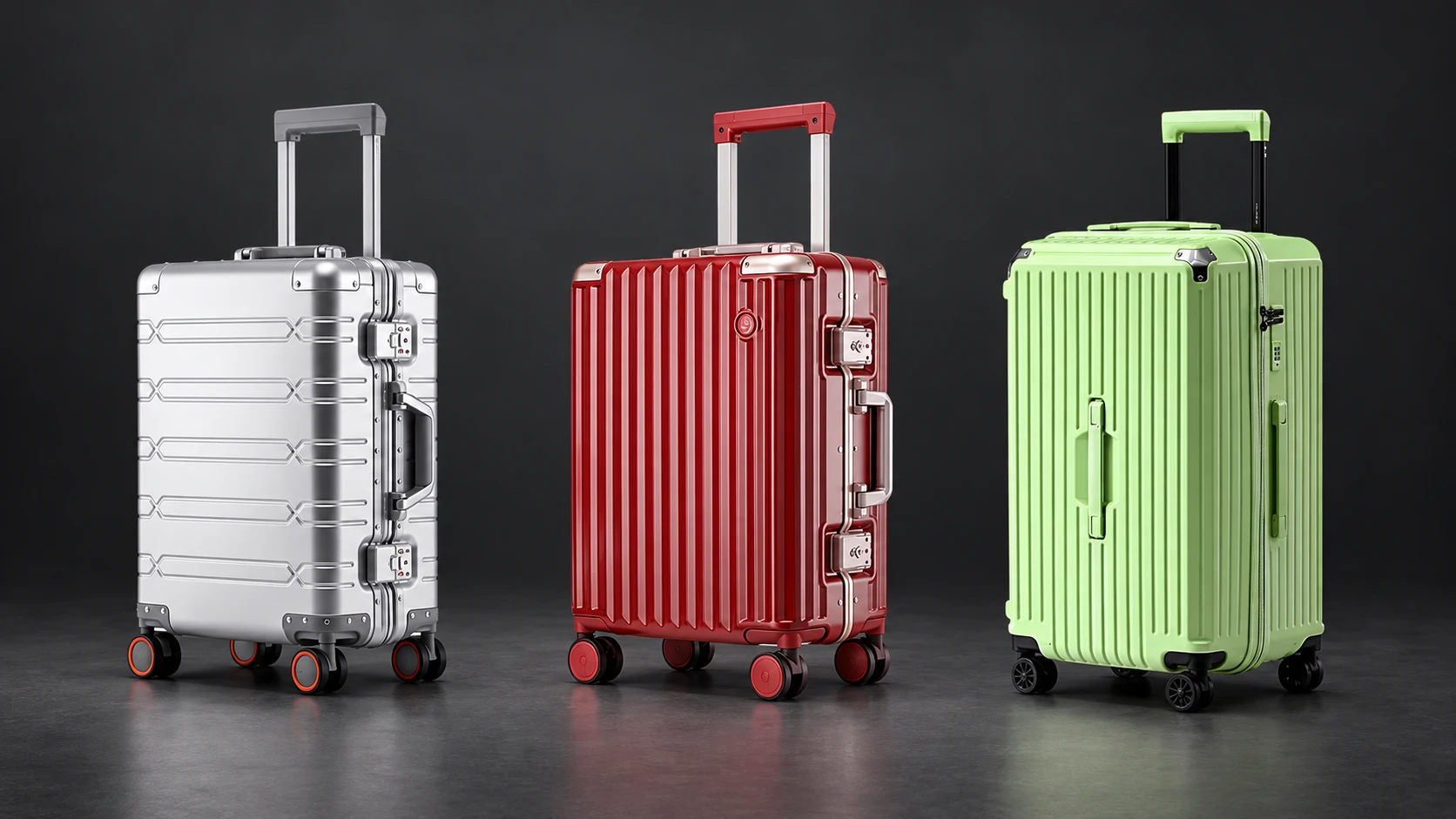
If a metal shell is the main selling point of your new collection, start with our full-aluminum models. If you want to keep a polycarbonate (PC) shell and add an aluminum frame and latches, consider an aluminum-frame PC model. For a PC case with a zipper closure, compare our zippered models.
Next, compare weight and packing space for the trips your customers take, then work through the model and component choices within your budget. Our existing products and a development project below show how these decisions can shape your new collection.
How do full-aluminum, aluminum-frame PC, and zippered PC cases differ?
Look at the main shell and the closure separately. A PC shell can have an aluminum frame, aluminum corner guards, and latches; its main shell is still PC. These three models provide starting points for different product requirements.
| Construction and model | Shell and closure | When to start with this model |
|---|---|---|
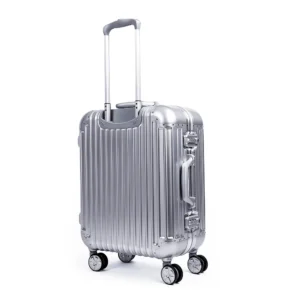
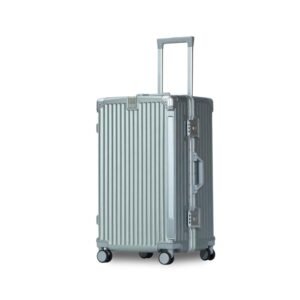
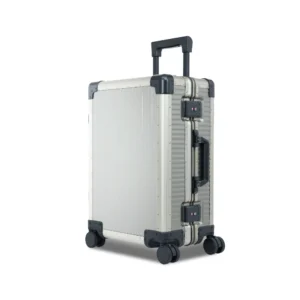
| Full aluminum TS-006 | Aluminum shell and frame with a zipperless closure. | You want the metal shell, finish, and latch opening to define the product. |
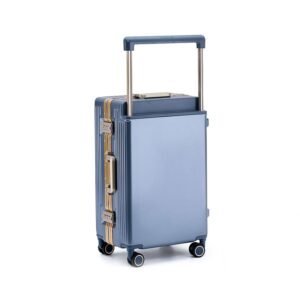
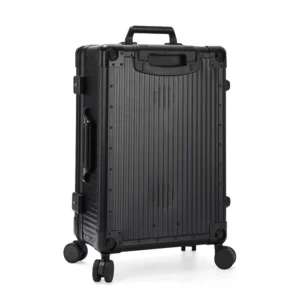
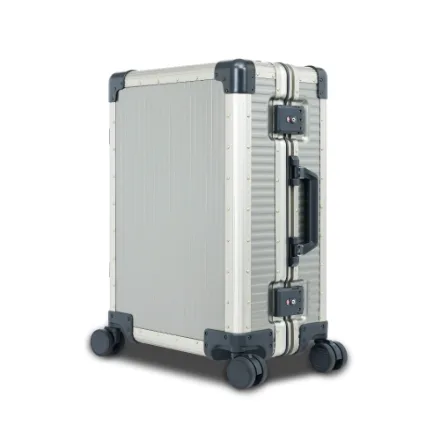
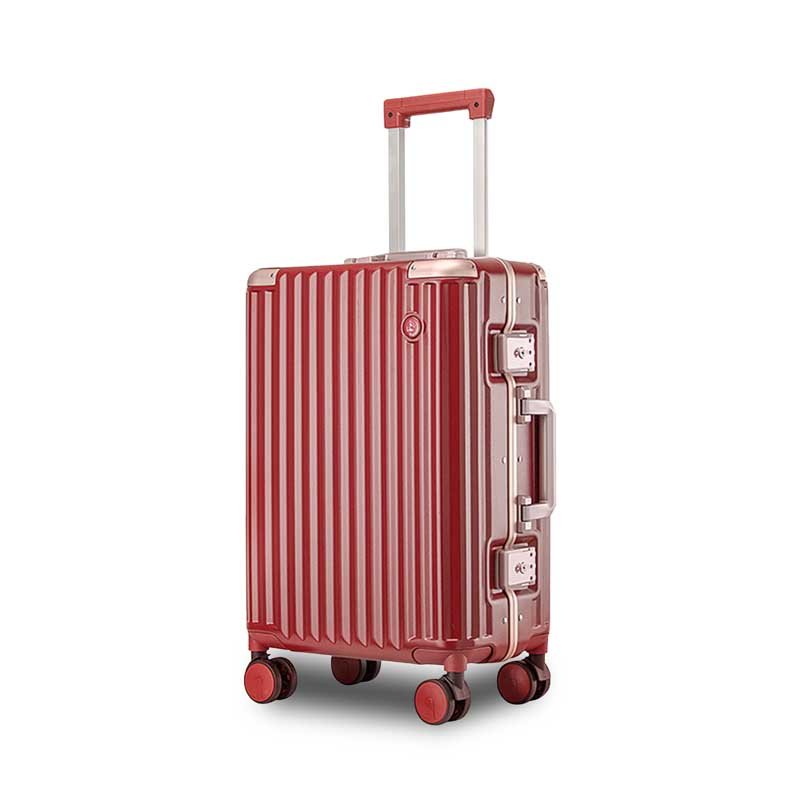
| Aluminum-frame PC HQ-009 | PC shell with an aluminum frame, aluminum corner guards, and TSA combination latches; zipperless closure. | You want to retain a PC shell while using a metal frame and latches. |
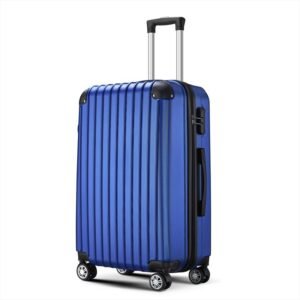
| Zippered PC MB-000 | PC shell with a zipper closure. | You want to develop a PC travel case with a zipper opening. |

The appeal of aluminum: making the metal shell a product feature
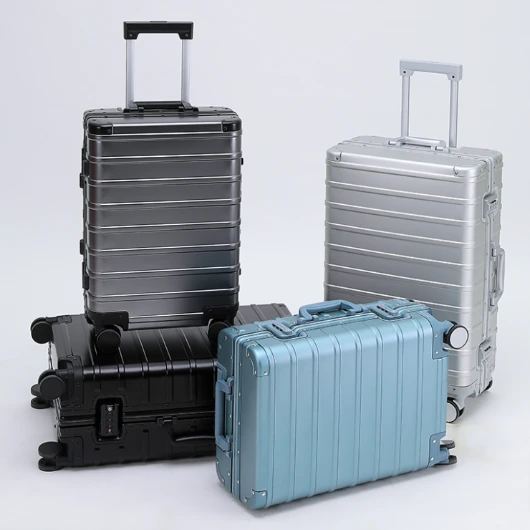
Our TS-006 has an anodized aluminum shell and comes in 20-, 24-, and 28-inch sizes. If your collection is built around a metal exterior, we can start with its shape and discuss shell color, logo placement, handles, and the interior. We can then review how the proposed changes affect weight and the quotation.
The appeal of a full-aluminum case comes from the combination of its metal surface, shape, and latch opening. The design also needs to account for how the case feels when lifted and how its surface may change with use.
The appeal of PC: options for weight, color, and closure
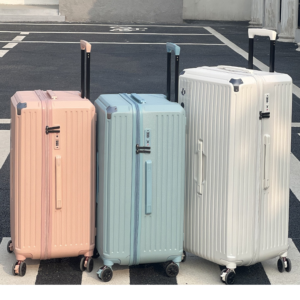
PC is a hard-shell material that combines light weight with toughness and offers options for color and appearance. For a lightweight travel collection, start by selecting PC models in the required sizes, then compare the finished weights of zippered and aluminum-frame options with the closure you prefer.
A PC collection can also emphasize design and hardware. For example, you might choose the metal frame and latches of the HQ-009, or plan the interior around the MB-000’s zipper construction, then discuss brand colors and components. Actual performance depends on the shell formulation, construction, and complete configuration.
How does durability differ between aluminum and PC luggage?
A durability comparison should consider what happens to the shell after impact and whether the closure and components still work. Aluminum and PC shells respond differently to force, so record appearance and function separately when evaluating samples.
Aluminum: distinguish surface dents from deformation that affects closure
Aluminum luggage can develop scratches or permanent dents during use. If a mark is on the shell panel, continue checking the closure and hardware. If damage reaches the frame, hinges, or latch area, check whether the frame still aligns and the latches close normally.
For brands developing a metal collection, we recommend explaining these possible changes in the product description while separately agreeing on the appearance required at delivery. Marks acquired during a customer’s travels and a new case’s conformity with the approved sample are different questions.
PC: check shape recovery and signs of cracking
A PC shell can flex under force and recover its shape within limits. That toughness is one reason PC is used for luggage. Force beyond the material’s and structure’s capacity can still cause cracks or breakage. Formulation, shell thickness, processing, and loading conditions all affect the result.
If your project includes drop or other performance testing, compare samples under the agreed load, method, and acceptance criteria. Record shell cracks or deformation, then separately check closure, wheel rotation, handle extension and locking, and attachment areas. These findings help establish whether the configuration meets the project’s requirements.
How should you compare weight for a lightweight collection?
For travelers who lift cases on stairs, into a car trunk, or onto a luggage rack, handling is a practical part of the product. Start with the required size and a target finished weight, then narrow down the candidate models.
Our 20-inch TS-006 has a listed weight of 3.6 kg. If the wheels, telescopic handle, or interior change, use the weight of the confirmed sample.
When comparing aluminum and PC cases, put external dimensions, internal space, closure type, and included components in the same comparison sheet. Use the weight of the complete empty case, including the interior and supplied accessories, so you can see which configuration differences contribute to the weight.
If you like an aluminum model but the sample exceeds your target, list the features you must retain and discuss the remaining options with us. Weigh the revised sample and recheck the handles, closure, and packing space so the weight reduction still meets the intended use.
Evaluate lifting and rolling separately. If the case feels difficult to lift, examine its total weight and handle grip. If rolling or turning is the problem, examine the wheels. Discuss hardware and weight targets together to avoid selecting components that push the finished case over the target.
How much can cases of the same nominal size hold?
Two cases labeled 20 inches may have different external dimensions and interior layouts. The space occupied by the telescopic handle, dividers, and pockets affects how items fit. Bring the intended trip and packing needs into the material discussion.
For example, when developing a short business-trip case, compare samples using the same selection of clothes, shoes, and toiletries. Keep the dividers and accessories intended for the retail product in place. Check whether the items fit, the divider fastens, and the case closes, then try lifting and rolling it while packed. One packing exercise can address both capacity and handling.
If space is tight, identify the part causing the problem. A pocket or divider that interferes with packing may call for an interior adjustment. An item deeper than the case compartment may require a different shape or size.
Check the closure after packing. On a latch case, examine frame alignment and whether the latches close smoothly. On a zippered case, check for trapped lining or contents pressing against the zipper. If expansion is required, include an expansion structure in the design brief when selecting the model.
How should business, family-travel, and multi-collection brands choose?
The following three development directions address different customer needs and can serve as starting points for discussing your product with us.
Business or design collections: balance appearance with lifting during transfers
If your customers value a metal shell, use a full-aluminum model to discuss colors, logo placement, and hardware. If they frequently transfer between transport or use stairs, include finished weight and handle grip in the sample requirements. For short business trips, trial-pack the expected clothes, shoes, and toiletries to decide how to divide the interior.
This gives the brand specific features to show: the shell finish, latch operation, packing arrangement, and how the loaded case handles.
Family or multi-day travel: match the size range to different trips
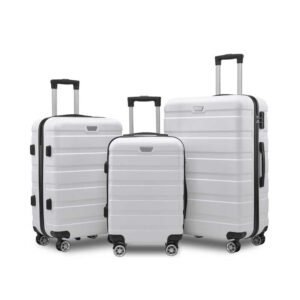
When planning a carry-on and checked-case range, define the purpose of each size before comparing capacity, weight, and closure. Colors, logos, and interiors can be coordinated across the collection, while wheels, telescopic handles, and loaded performance are assessed for each size.
For example, if the smaller case is for short trips and the larger case is for more clothing and supplies, trial-pack each one rather than simply enlarging the same interior arrangement. Once the size range is settled, discuss quantities and the initial order budget.
Existing PC collections: define what the new model adds
If you want a metal shell to distinguish the new product from your current range, discuss a full-aluminum collection. If you want to retain a PC shell while adding a metal frame and latches, discuss aluminum-frame PC. Define the new model’s role before deciding which sizes and colors to launch.
Different collections can share a logo treatment, color direction, or interior style. Discuss component compatibility against the installation structure, and plan quantities around your sales requirements.
How did MAPPA add aluminum luggage to its PC product range?
Our work with MAPPA is one example of adding aluminum luggage to an existing range. MAPPA’s products mainly included PC luggage and backpacks. It wanted to develop aluminum cases but had no previous experience developing that type of product.
We helped select shell material, components, and lining, and participated in packaging development. The project used 5052 aluminum alloy for the shell and 250D polyester for the lining. We also designed and produced a welcome pack supplied with the product. The aluminum case subsequently launched as an addition to MAPPA’s range.
The project considered shell material, hardware, lining, and unboxing packaging together. If your brand is also planning an aluminum case, start by explaining how the new collection should differ from existing products, then work through the configuration against the design and budget.

How can you plan customization within your budget?
Separate the requirements into features you must retain and those where you can compare alternatives. For example, the aluminum shell, target size, and a specified lock may be fixed, while pockets, packaging, or other unspecified components remain open for discussion. We can then discuss quotations around the changes you are willing to consider.
| What do you want to change? | What should the quotation discussion cover? |
|---|---|
| Logo, color, or interior of an existing model | The process, components, locations of changes, and order quantity. |
| Case proportions, opening, or lock position | The structural changes, parts that can be retained, and any tooling and sample arrangements involved. |
| Size and color mix | Quantities and configurations for each model, and the total initial order value. |
| Packaging, spare parts, or specified testing | The requirements, quantities or service scope, and whether they are included in the quotation. |
For the TS-006, retaining its existing shape and latch layout while changing the logo and interior is a different development scope from redesigning its proportions. Whether a replacement lock involves tooling depends on its mounting dimensions, position, and fit with the existing structure.
When calculating the project budget, separate the unit price, sampling and development, packaging and shipping, and any agreed inspection and spare-part costs. Confirm sample and shipping charges separately. Identify the development work associated with any tooling, then compare what the two proposals actually include.
If the initial budget is too high, discuss a smaller model or color range, or adjustments to unspecified components. This keeps the product’s most important features in focus while identifying where costs could change. Use quotations based on the same order conditions to establish the actual difference.
How should wheels, handles, and locks fit the chosen case?
After selecting the shell, choose wheels, handles, locks, and the interior around the size, load, and intended use. You can send the following requirements with your reference model.
| Component | What should you specify? | What should the sample show? |
|---|---|---|
| Wheels and wheel mounts | Expected surfaces and load, and whether quiet operation or easy turning is a priority. | Suitable installation, loaded rolling and turning, and any interference or unusual noise. |
| Telescopic and carry handles | How customers will pull or push the case, and whether they frequently use stairs or lift it. | Extension and locking, grip and mounting condition, and operation under load. |
| Latches, hinges, or zippers | The preferred closure and any specified lock. | Frame alignment and latch engagement when packed, or smooth zipper operation. |
| Lining, dividers, and pockets | The items packed for the intended trip and which need separate storage. | Usable space, divider fastening, and whether pockets interfere with closing. |
If you specify a wheel brand, we can discuss fit against the mounting arrangement, available space, and case model, then include the selected hardware in the finished-weight target. Our wheel selection guide for aluminum cases covers this discussion in more detail.
Spare parts are agreed when placing the order, including part models, compatible case styles and sizes, quantities, and delivery arrangements. Quantities are based on the order mix and your after-sales plan so your service team can use the correct parts.
What should be confirmed before mass production?
Before placing the production order, we review the final sample, configuration, and acceptance requirements with you. The order documents should identify the sample version and the changes made.
| Item | What to record |
|---|---|
| Material and construction | Shell material, frame, and closure, plus any specified aluminum alloy or PC formulation requirements. |
| Approved sample and configuration | Model, size, finished weight, wheels, handles, locks, and interior. Keep configuration records aligned with the final sample version. |
| Color and appearance | Color reference, finish, logo position, and acceptable and unacceptable appearance conditions. |
| Function and performance evaluation | Required tests, samples, loads, methods, and acceptance criteria. |
| Order and delivery | Size and color quantities, packaging and markings, spare parts, and the scope and requirements of pre-shipment checks. |
Functional checks establish whether operations such as handle extension and wheel rotation work. Endurance testing evaluates repeated use under agreed loads, cycles, or other conditions. Record the purpose and results of these checks separately.
Our testing arrangements include sampling, periodic validation, and customer-specified projects. The approach for each item, service scope, and documents are determined by the order requirements. For samples with changes to the shell, wheel mounts, locks, or other structures, also discuss which items need to be reassessed.
Pre-production confirmation and pre-shipment inspection serve different purposes. The first establishes what is to be produced and how it will be assessed; the second checks the actual production lot against the agreed requirements. Sample approval is followed by the production checks arranged for the order.
Frequently asked questions from brand buyers
Does a premium collection have to use full aluminum?
No. Choose full aluminum if the metal shell is central to the product. A PC collection can emphasize light weight, color, and organization. The final configuration should support the features you plan to show customers.
Is aluminum-frame PC always lighter than full aluminum?
No. Compare complete empty cases in the relevant sizes, with their frame and hardware configurations, to see which meets the target.
Should checked luggage use aluminum or PC?
If metal appearance is the priority and visible dents from use are acceptable, start by evaluating aluminum. If reducing empty weight is the priority, start by comparing PC models. In both cases, assess the shell, closure, and hardware under the intended load before selecting the model.
Can one collection use the same wheels and locks?
You can include shared hardware in the development brief. The same part can be considered where installation space and use requirements suit each size. Otherwise, select parts separately or discuss structural changes, and identify the compatible models in the spare-parts list.
Does the 300-piece MOQ apply to every model?
No. Aluvox’s minimum order is 300 pieces in total, with sizes and styles able to be combined. Send your intended quantity mix so we can confirm the quotation against the customization scope. New structures or tooling are discussed separately.
How do you move from model selection to sampling?
Once you have a model close to your target, send us the sales market, intended use, size mix, target retail price or purchasing budget, and expected order quantity. Mark the parts you want to retain and change on reference images so we can discuss the shell, hardware, interior, and packaging around a specific case.
If the material is still undecided, give us your two most important requirements, such as a metal shell and a finished-weight target. We can use these to discuss candidate options. Once the sampling scope is settled, confirm the sample charges and arrangements.
When you receive the sample, check appearance, weight, packing, and operation against the original brief, and record the parts that need changes. Align the final sample with the configuration record before moving forward with the order.
Ready to discuss your collection? Send us your luggage requirements, and we can work through the model, configuration, and sample plan with you.