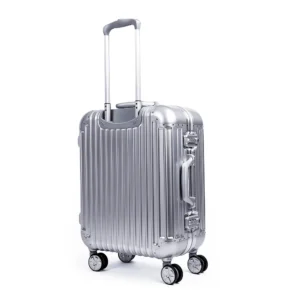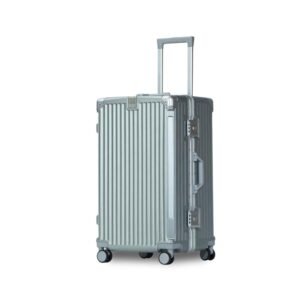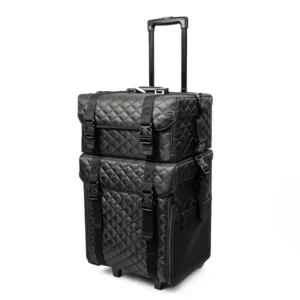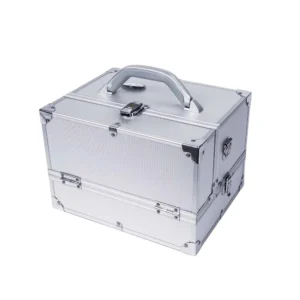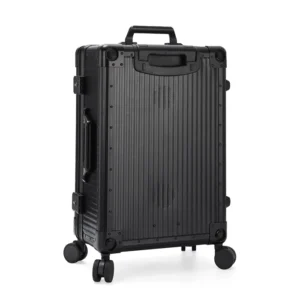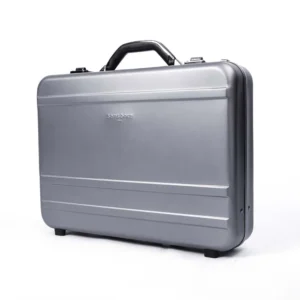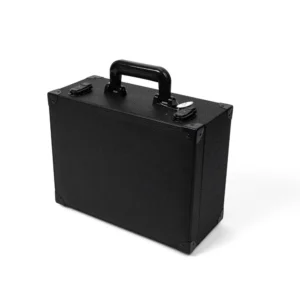

Private Label Aluminum Case Quote: A Brief You Can Copy
What to send a factory to quote a private label aluminum case: three items that unlock a quote, nine that make it accurate, four omissions that stall it, and a brief you can copy.
How Aluminum Luggage Is Made: From Sheet to Finished Case
How an aluminum suitcase is made inside our Dongguan factory: alloy sheet, 500-ton stamping, machining, frame and rivets, finishing, seven tests, and what a buyer can change at each step.

Suitcase Wheels: Spinner or Inline, Single or Double, and What the Tread Is Made Of
Inline or spinner, single or double, TPE, PU or rubber: what changes between suitcase wheels, how to judge them in the hand, and which can be replaced.

Luggage Supplier or Luggage Factory? Five Questions That Show Who You Are Really Buying From
Factory, trading company or factory with an export desk: five questions that tell you which one you are dealing with, what each answer means for tooling, lead time and MOQ, and how we answer them.
Aluminum frame luggage tooling and what moving a lock actually costs
On an aluminum frame case the lock, hinge and wheel positions are punched by fixed die blocks. Here is which design changes need new tooling and which are free.
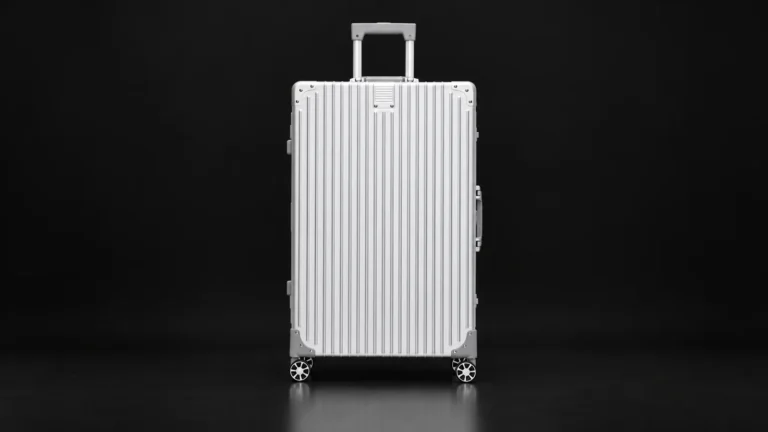
Hitting a weight target on an aluminum case: what can actually change
Asking what a 24 inch case weighs gets you a useless number. Send a target instead, and know which two levers move it and what each one costs.

Selling luggage into Canada: which label rule actually catches it
The Canadian textile rule exempts luggage, same as the US. The packaging rule is the one that can reach you, and only part of it has to be bilingual.
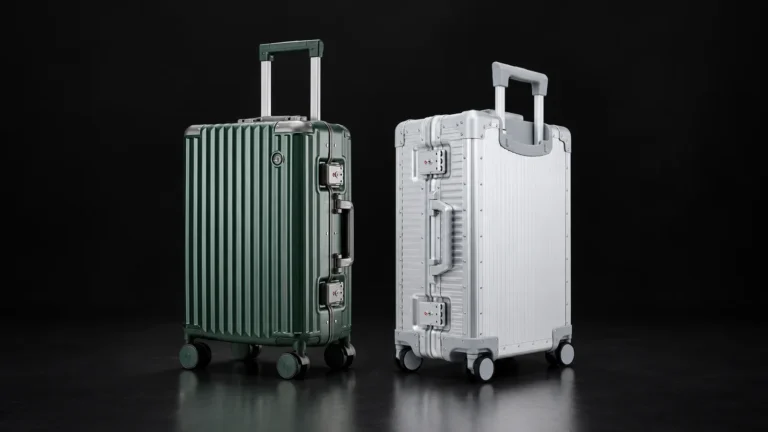
Why a luggage factory cannot send you a price list
The catalog exists and the price list does not. What actually moves unit cost, and the seven lines that turn a question into a quote in days.
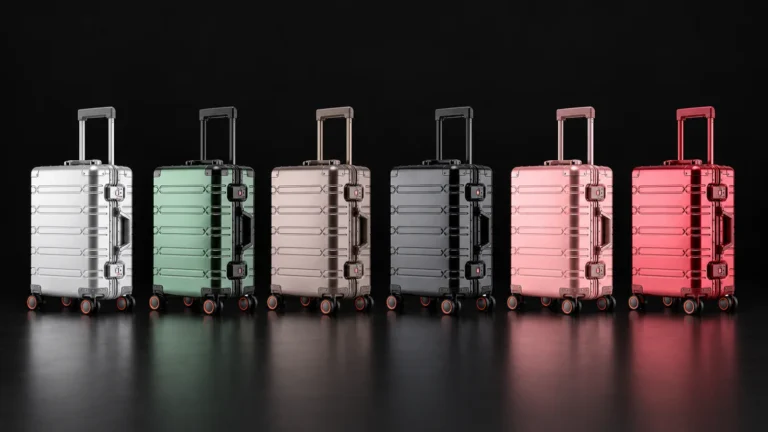
Matching one color across a shell, a zipper, wheels and a lock
One Pantone chip, four unrelated coloring processes. Which pairs can match, which never will, and how to write a color spec that survives production.
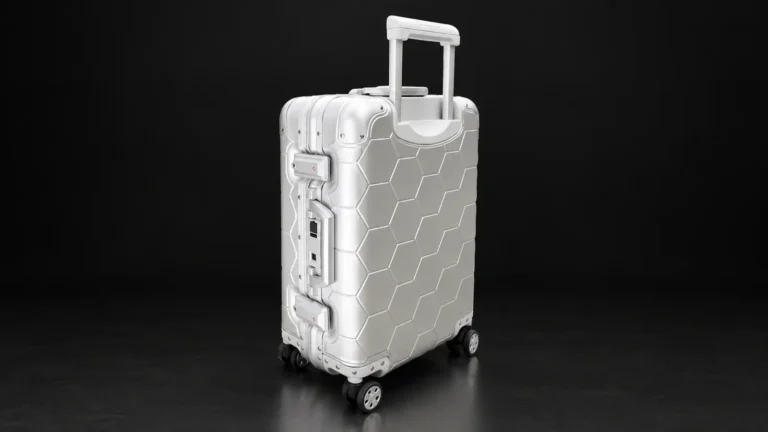
What a custom aluminum suitcase shell can and cannot be shaped into
Sheet aluminum forms by bending and drawing, not by filling a cavity. Which shapes come back as no, and the press nameplate numbers that decide it.
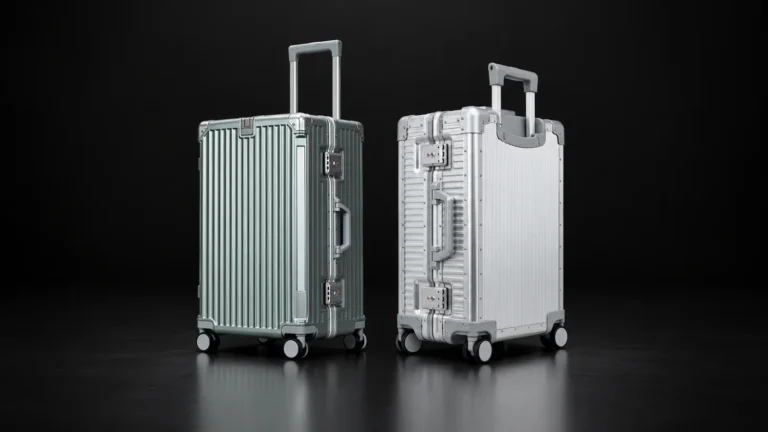
Aluminum frame case vs full aluminum case: what each one costs you
Two different products, two opposite cost curves. What separates an aluminum frame case from a full aluminum case, and which one your quantity supports.
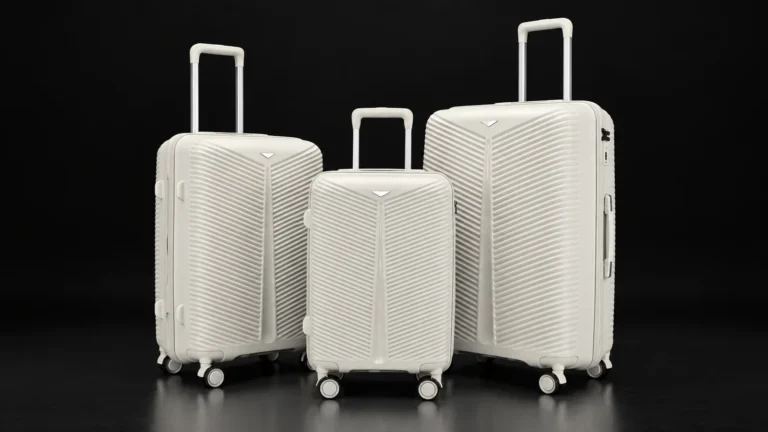
US fabric content and care labels on luggage: what applies
The FTC textile and care labeling rules both exclude luggage. What that means for your label spec, and the one marking that still applies.
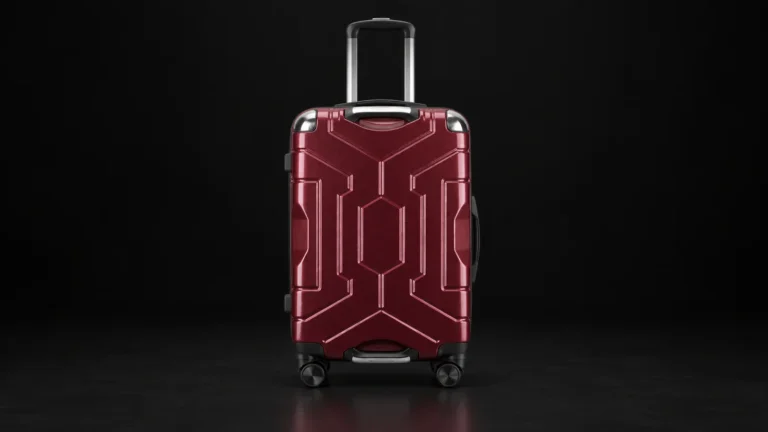
REACH and SVHC for luggage: three duties, and none of them is a certificate
What the Candidate List actually obliges, the 45 day clock a member of the public can start, the calculation question that decides whether you have a duty, and why there is no such thing as a REACH certificate.
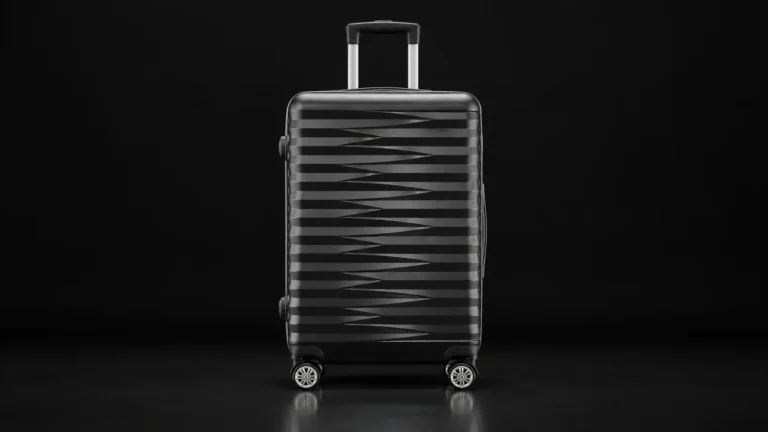
Prop 65 and luggage: the label is a decision, not a formality
Which components carry the risk, why private enforcement makes the exposure per unit per day, and the four documents to ask a factory for instead of an assurance.
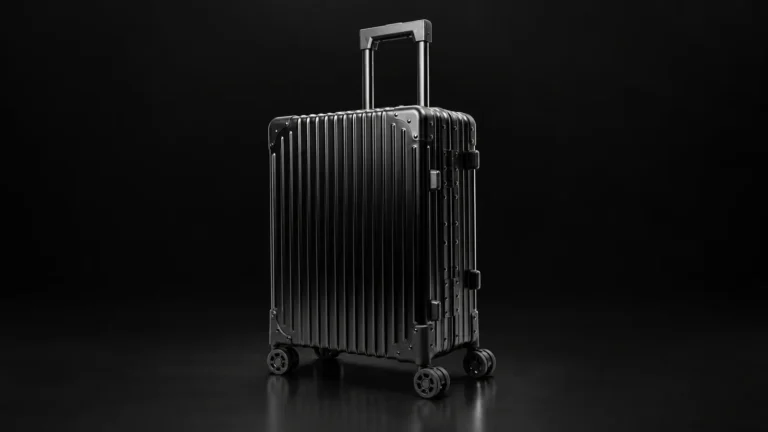
Export packing for luggage: cartons, marks, and the wood rule
The carton sets how many units fit in a container, which makes it the decision that costs money on every shipment. What goes on the box, what the packing spec must say, and the pallet rule that stops containers at the port.
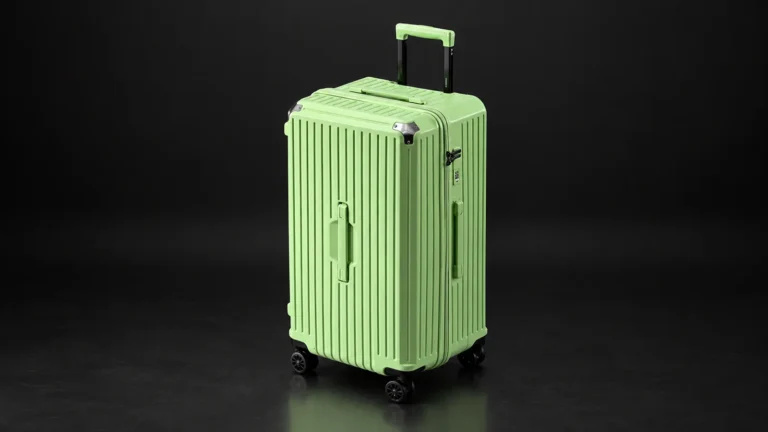
Can an existing mold run a different plastic? What shrinkage decides
A buyer question from our own inbox, answered with the number that settles it. Published shrinkage ranges for ABS, PP, and PC, which transfers to which, and why a formed shell follows a different rule.

How many molds a luggage range needs, and what belongs on the tooling list
A range is not one tool. What thermoforming and injection each need, what the SPI classes mean, why a third size more than doubles the bill, and the five columns a tooling quotation should have.
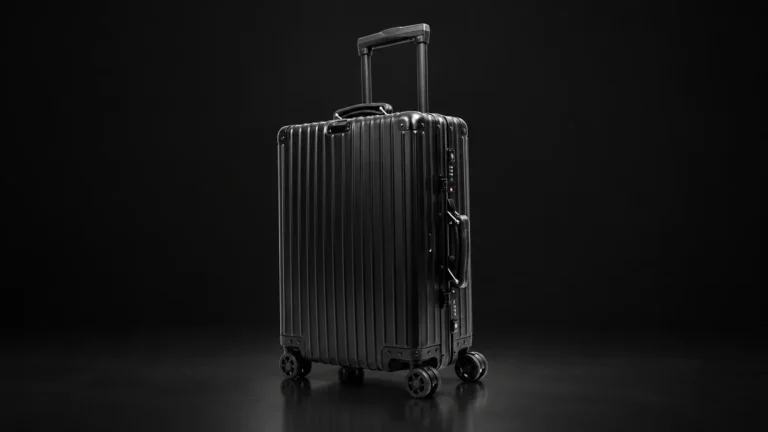
Pre-shipment inspection for luggage: the clause that gives it teeth
Two different things share the name. One is a customs regime in a WTO agreement, the other is the check you commission, and its whole force comes from where it sits in the payment schedule.
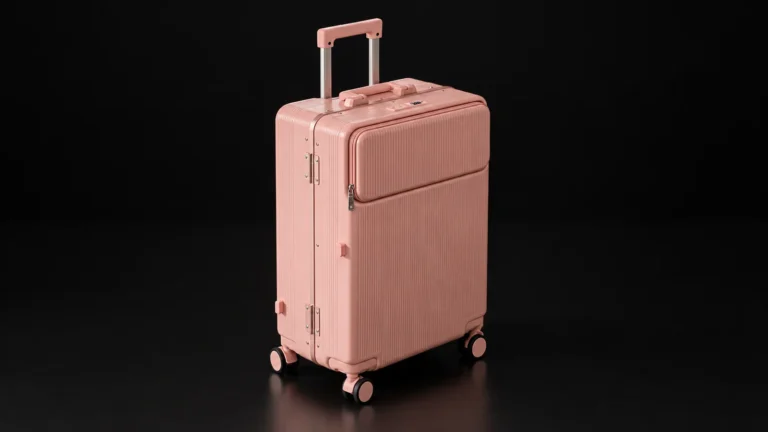
Luggage zipper sourcing: the spec that settles the YKK argument
YKK against generic is a brand question standing in for a specification question. The seven lines that belong in the spec, the test standard nobody names, and the closure decision that comes first.
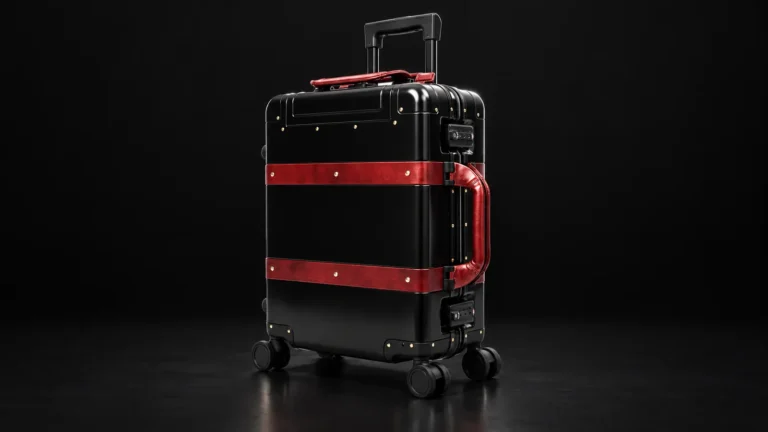
UK product safety requirements for luggage after the 2024 split
Great Britain and Northern Ireland now run different product safety rules. What the split means for who carries the duty, what goes on the case, and what the 2025 Act does not change yet.

EU GPSR for Luggage: The Responsible Person Is Not the Factory
Since 13 December 2024 a case cannot be placed on the EU market unless somebody established in the Union is responsible for it. What Article 16 and Article 9 actually require, and where they land on the artwork.
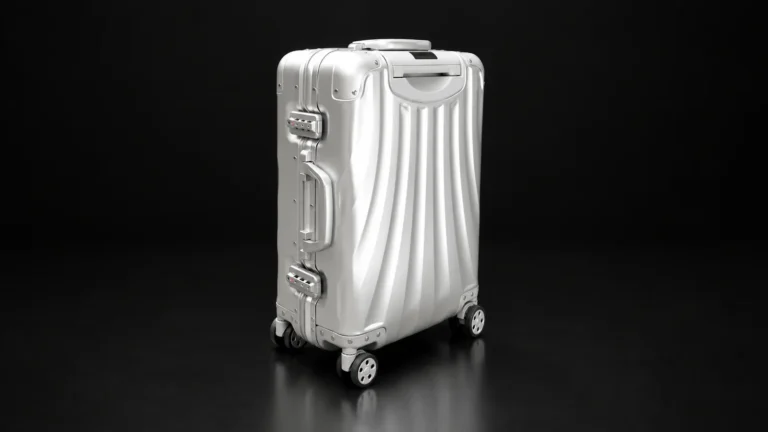
Luggage Sourcing Agent or Direct Factory: What the Agent Actually Adds
Written by a factory rather than an agent. What an agent genuinely adds, what you may be paying for twice, and the four questions that separate a factory from a trading company.
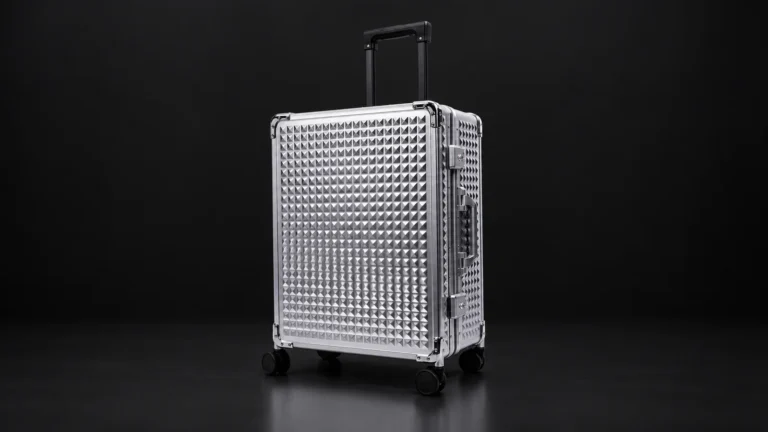
The Luggage Defect List: What to Write Before the Inspector Arrives
AQL says how many. The defect list says what counts. The three tiers, what makes a line usable, and the six areas a luggage list has to cover.
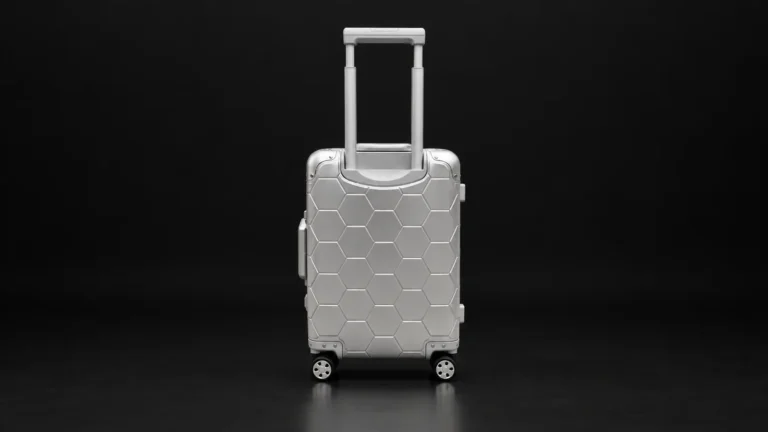
Who Owns the Luggage Mold: Paying for It Is Not the Same as Owning It
Possession is the leverage, not ownership. The eight clauses a tooling agreement needs, and why a luggage range makes partial return worse than no return.