
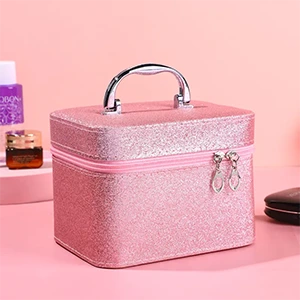
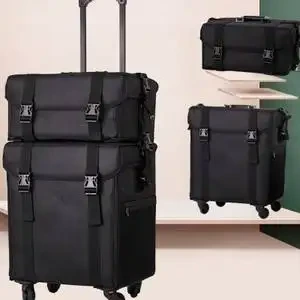
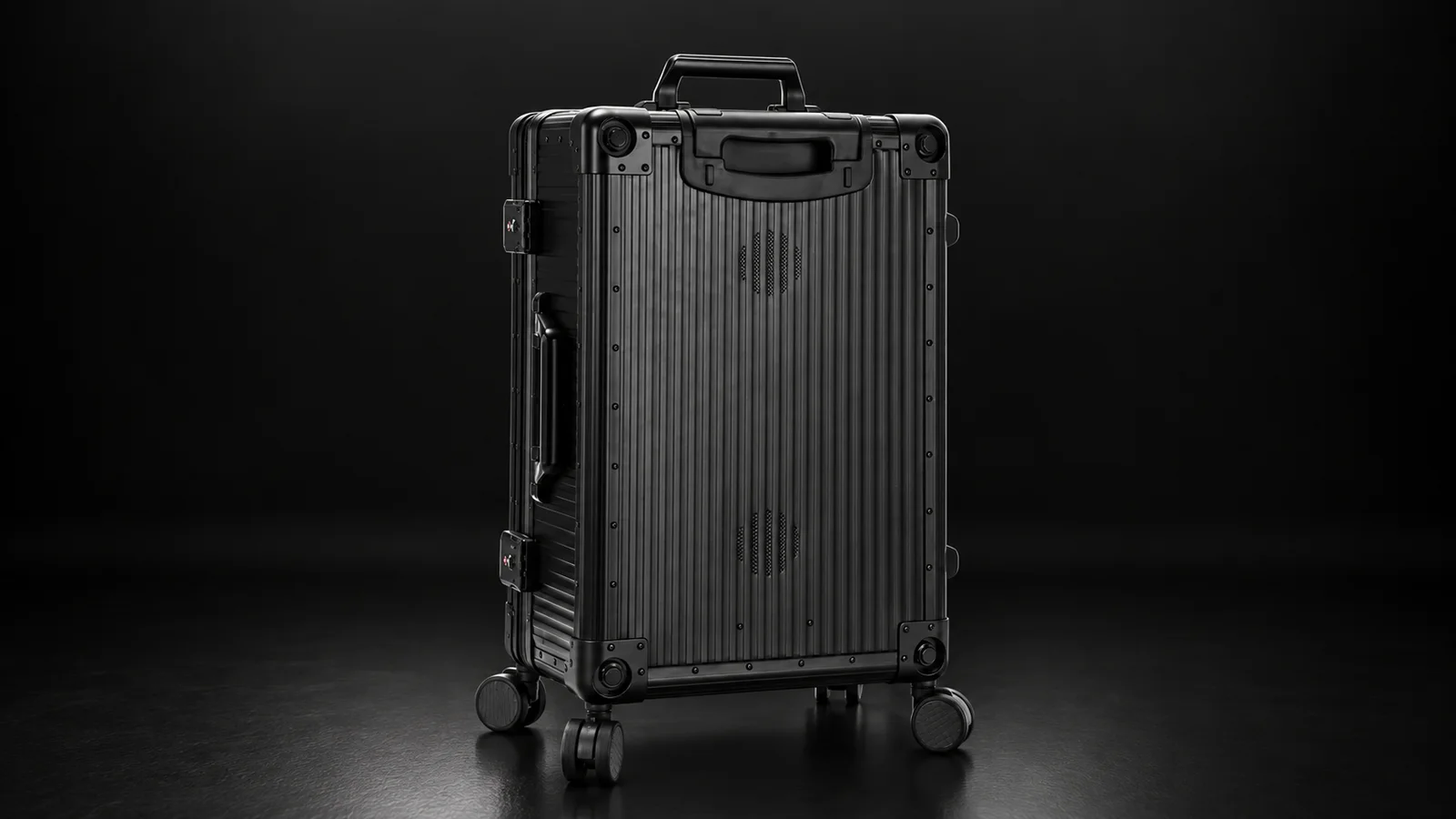
Search “aluminum case manufacturer” and you land between two worlds. One half of the page is U.S. directories and rugged-case specialists quoting defense and aerospace programs; the other is Chinese factories offering custom foam and low minimums. What almost none of them do is make the decision simple for a buyer who needs one partner to cover several applications — a carrying case this quarter, a tool case the next, a flight case and an instrument case after that.
That is the real sourcing problem, and it is also the opportunity. The applications differ, but the core product is the same: a formed aluminum shell with a custom interior. This guide is written for the procurement side — what an aluminum case manufacturer actually covers, why aluminum wins for equipment, how to specify the part that does the protecting, and how to evaluate a supplier before you commit a run.
What an aluminum case manufacturer actually covers
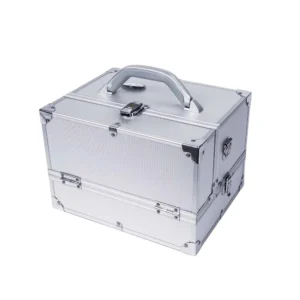
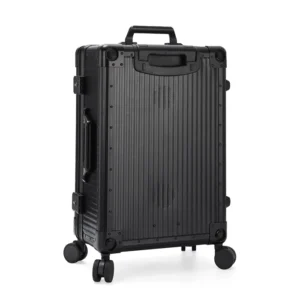
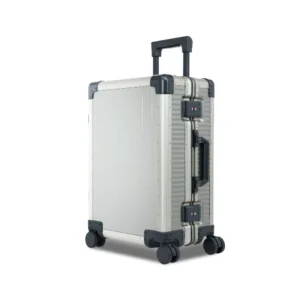
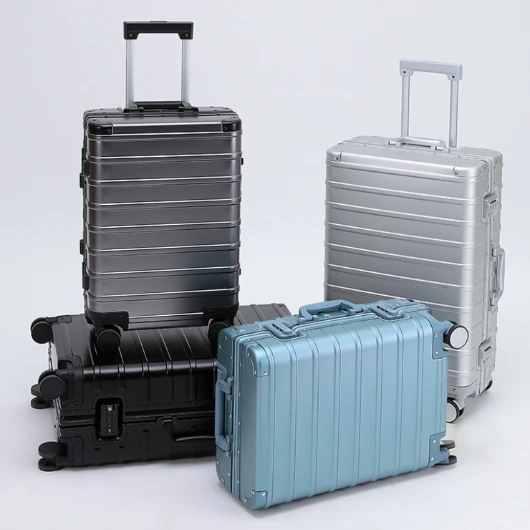
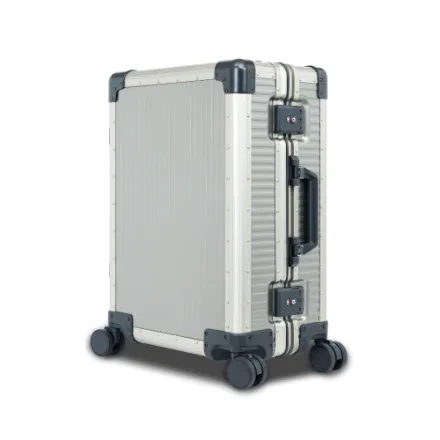
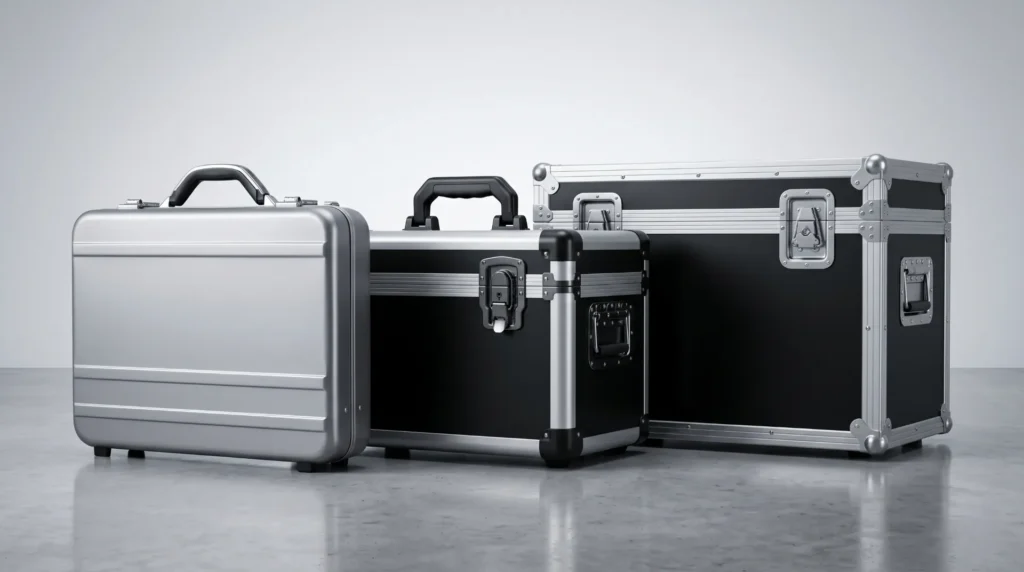
The category looks fragmented because it is sold by application, but underneath it is one capability. A genuine aluminum case manufacturer forms a metal shell and fits it with a tailored interior, then names the result after the job: a carrying case for field gear, an equipment case for servers and networking, a flight or rack case for stage and broadcast, a tool case for trades and service techs, an instrument case for test and measurement, plus briefcases, gun and camera cases at the edges.
The winners on this search prove the point. The strongest suppliers present a single aluminum-case identity that stretches across every one of those uses — tools, instruments, stage equipment, precision machinery, electronics, cosmetics, even firearms — rather than a separate factory per niche. Within each application the builds get surprisingly specific: power-tool, test-equipment, and measurement cases for the trades; rack, lens, monitor, and tripod cases for broadcast; endoscope and imaging cases for medical; golf, guitar, and camera cases for consumer goods. For a buyer that is good news: it means you can consolidate carrying, tool, flight and instrument cases with one partner, one set of quality standards, and one tooling-free customization process, instead of chasing a different vendor for each line.
It also helps to know who you are sourcing from, because the search mixes two very different supplier types. U.S. specialists tend to lead on defense, aerospace, and rugged rackmount programs with engineer-led consultation and domestic stock; Chinese factories tend to lead on tooling-free customization, low minimums, and factory-direct pricing across a broader range of consumer and industrial cases. Neither is automatically right — the question is which profile fits your application, volume, and timeline.
Why aluminum wins for equipment cases
Aluminum earns its place against both plastic and soft cases for reasons a procurement team can defend on a spreadsheet. The shell is sturdier and more impact-resistant than molded plastic, lighter than steel, and it resists weather and rough handling without cracking. The argument that closes most deals is lifecycle cost: an aluminum case carries a higher upfront price than a plastic one, but you buy it once, it survives countless trips and drops, and it spares you the recurring cost of replacing broken cases and the damaged equipment inside them.
There is a presentation dimension too. A polished aluminum exterior reads as professional in a way a plastic tote never will — which is why it dominates sales-demo kits, presentation cases, and any situation where the case represents the brand. Industry estimates put the global market for aluminum cases with foam on track toward roughly $1.8 billion by 2028, growing about 6.3% a year, driven by aerospace, defense, medical, and professional-audio buyers for whom shockproof protection is non-negotiable. Be honest with end customers about the trade-offs — aluminum shows dust and fine scratches, and a fixed shell is less forgiving than a soft bag when overpacked — and the durability case still wins for equipment that has to arrive intact.
The part that actually protects: custom foam and fit
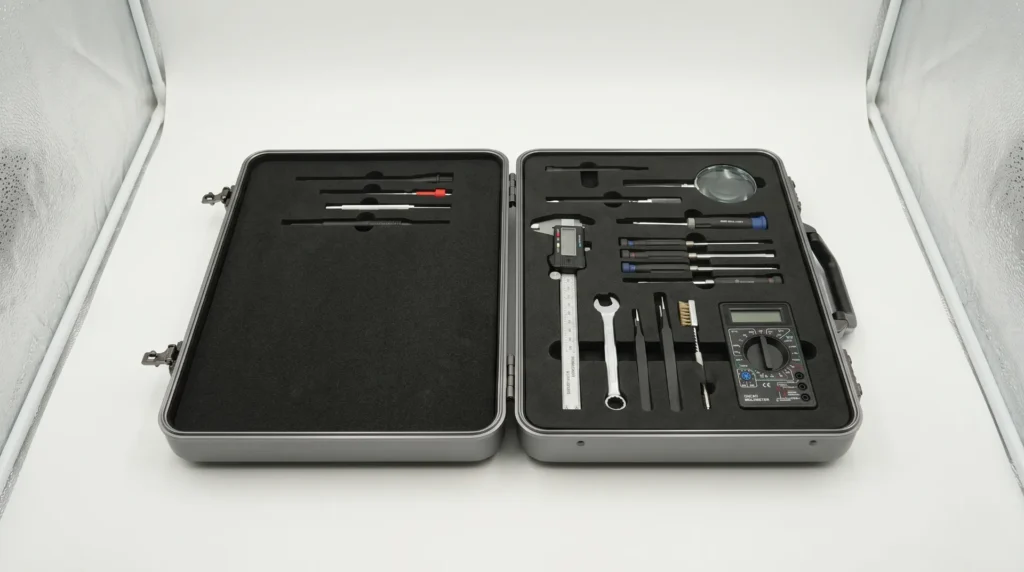
Buyers fixate on the shell, but the interior is where a case succeeds or fails. A strong outer barrier only matters if the contents cannot move, and that is the job of the foam. The serious manufacturers offer a menu and will help you choose: high-density foam for stable support under repeated use, ideal for cameras, lenses, and medical instruments; EPE and EVA for lighter cushioning and clean separation; egg-crate (wave) foam in the lid to absorb shock and vibration for audio and noise-sensitive gear; and pick-and-pluck for buyers who want to reconfigure the layout themselves.
How the foam is cut matters as much as the material. Ask whether inserts are pluck-and-pull, laser-cut, CNC-machined, or model-cut to the contour of your product, and whether the supplier can work to MIL-STD or IP-rated requirements for extreme conditions. For wet or dusty environments, ask about lid gaskets and rubber seals that make the case effectively waterproof — a small spec change that decides whether sensitive electronics survive a downpour on a loading dock. A practical sourcing tip: sketch a simple layout of your items with measurements and cut depths before you ask for a quote, because that single drawing turns a vague request into a manufacturable spec and gets you an accurate price faster.
A custom foam interior is not a finishing touch — it is what turns a generic box into an OEM equipment or instrument case built around your exact product. It is also what lifts brand perception: a structured interior with your logo reads as professionalism, not packaging.
Sourcing aluminum cases across several applications? Aluvox forms its own shells and cuts foam to your drawing — explore our specialty aluminum cases and tell us what you need to protect.
How to evaluate an aluminum case manufacturer
Once you know the application and the interior, score every candidate against the same procurement checklist:
- Forming capability. Ask how the shell is made — fabricated sheet, molded, fully welded, or die-cast. Welded and die-cast construction gives blue-sky customization without being limited to standard molds; it separates a real forming factory from a trading desk.
- Alloy and gauge. A serious supplier names the alloy and thickness — for example reinforced 5052 aluminum in specified gauges — rather than saying “aircraft-grade” and moving on.
- MOQ and sampling. Minimums in this category range widely, from as low as 10 units on some fabrication processes to a few hundred on others; many factories offer a free or low-cost sample. Confirm MOQ, sample cost, and any tooling fees before you design.
- Testing and compliance. Ask for the tests run — drop, vibration, salt-spray for corrosion, and sealing for waterproof builds with lid gaskets — plus MIL-STD or IP ratings where the application demands them.
- Customization depth. Dimensions, finish, color, latches, handles, wheels, lining, and logo or private-label branding — and whether they build to your drawing rather than rebrand a catalog item.
- Lead time and logistics. Confirm production lead time, expedite options, and protective packaging; the reliable exporters ship cases bubble-wrapped inside corrugated boxes as standard.
A supplier that clears this list can carry your whole case program. One that cannot is reselling someone else’s.
Watch for the tells. A quote that never asks what you are protecting, a vague “aircraft-grade aluminum” with no alloy or gauge named, no test report or sample on offer, or a refusal to cut foam to your drawing — each is a sign you are talking to a reseller, not a factory. The cost of vetting one extra supplier and ordering one sample is trivial next to a first production run that arrives the wrong size, with foam that does not fit, or a shell that dents on the first shipment.
Stock vs. custom, and the MOQ reality
Not every project needs a bespoke mold. Many manufacturers offer fabricated and frame cases in stock sizes that take a custom interior at a competitive price — the right call for attaché cases, training kits, or presentation cases where the exterior can be standard and the foam does the tailoring. Fabricated aluminum often delivers a high-tech look at a lower price than molded plastic, which is why it is a common entry point for a new line.
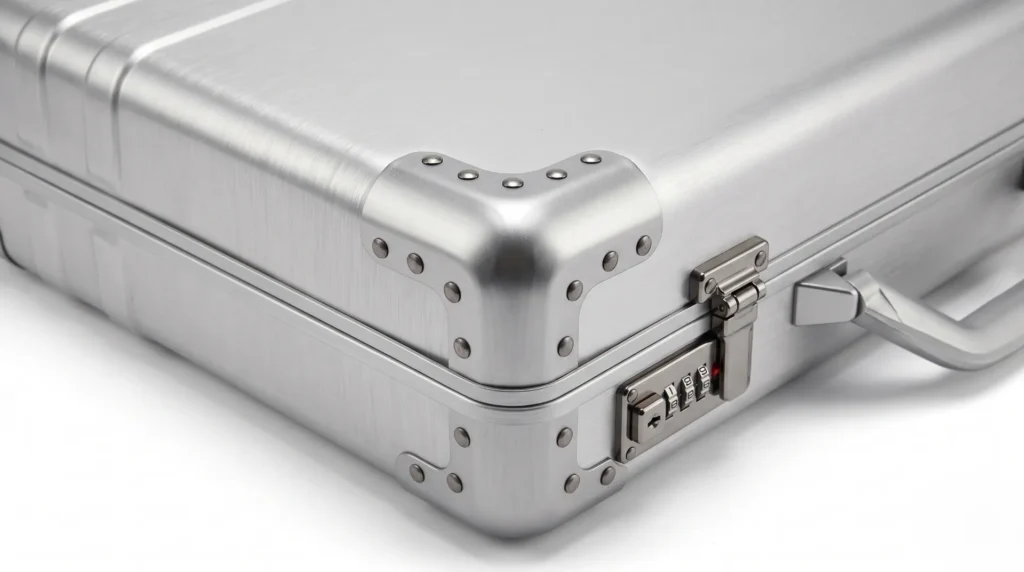
Full customization — welded construction, non-standard dimensions, integrated electronics mounting — costs more in tooling and sampling but removes the limits of standard molds. The sensible path is to test the water with a sample before a bulk run, especially for resale or corporate programs, so you confirm fit, finish, and foam before committing volume. The lever that matters is matching the forming method to your order: stock-plus-foam for speed and low MOQ, welded or die-cast custom when the product or the brand demands it.
Put rough numbers on it. Listings in this category run from minimums as low as a single piece or ten units on stock-plus-foam builds up to several hundred or more on fully custom tooling, with free or low-cost samples common from export factories. That spread means a small brand can launch a presentation or tool case line without a five-figure tooling commitment, while a larger program can amortize a dedicated mold across volume. Decide where your order sits on that curve first, and the right supplier profile — and the right price — follows.
Sourcing aluminum cases with Aluvox
Aluvox has spent more than twenty years forming full-metal hard cases in Dongguan, China, including dedicated work for the power-tool, surveying, and hardware industries — exactly the carrying, tool, equipment, and instrument applications this category lives on. Cases are built from reinforced aluminum with integral die-casting where it counts, fitted with custom EVA, PE, or pick-and-pluck foam cut to your product, and finished with your color, lock, handle, and logo.
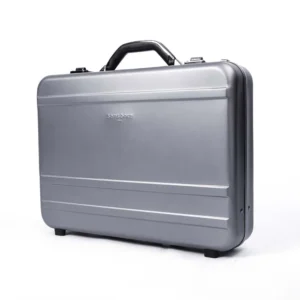
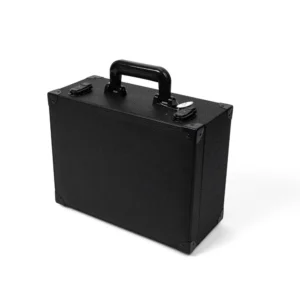
For brands and distributors, that means one partner across the whole case program — carrying, flight, tool, and instrument cases — with low-MOQ OEM and private-label runs, in-house testing, and build-to-drawing customization instead of a relabeled catalog. Real examples already sit in the range, from a silver aluminum business briefcase to leather-and-aluminum tool cases with fitted EVA compartments, and the same line covers the broadcast, presentation, medical, and carrying applications a growing brand needs. If you are consolidating an aluminum case line, start with the range and the application you need to protect, then bring your drawing and your volumes.
See the range and request a quote: Aluvox specialty aluminum cases.