

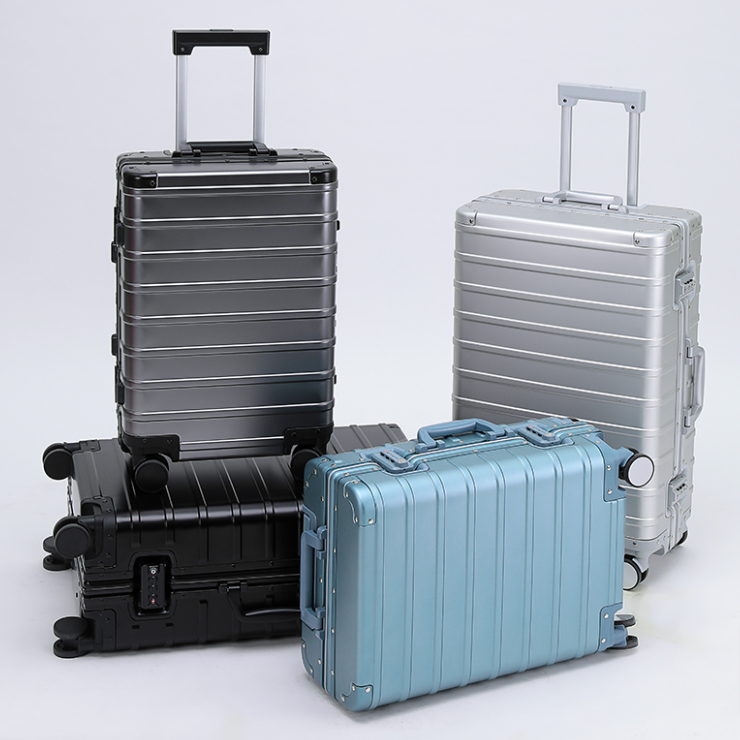
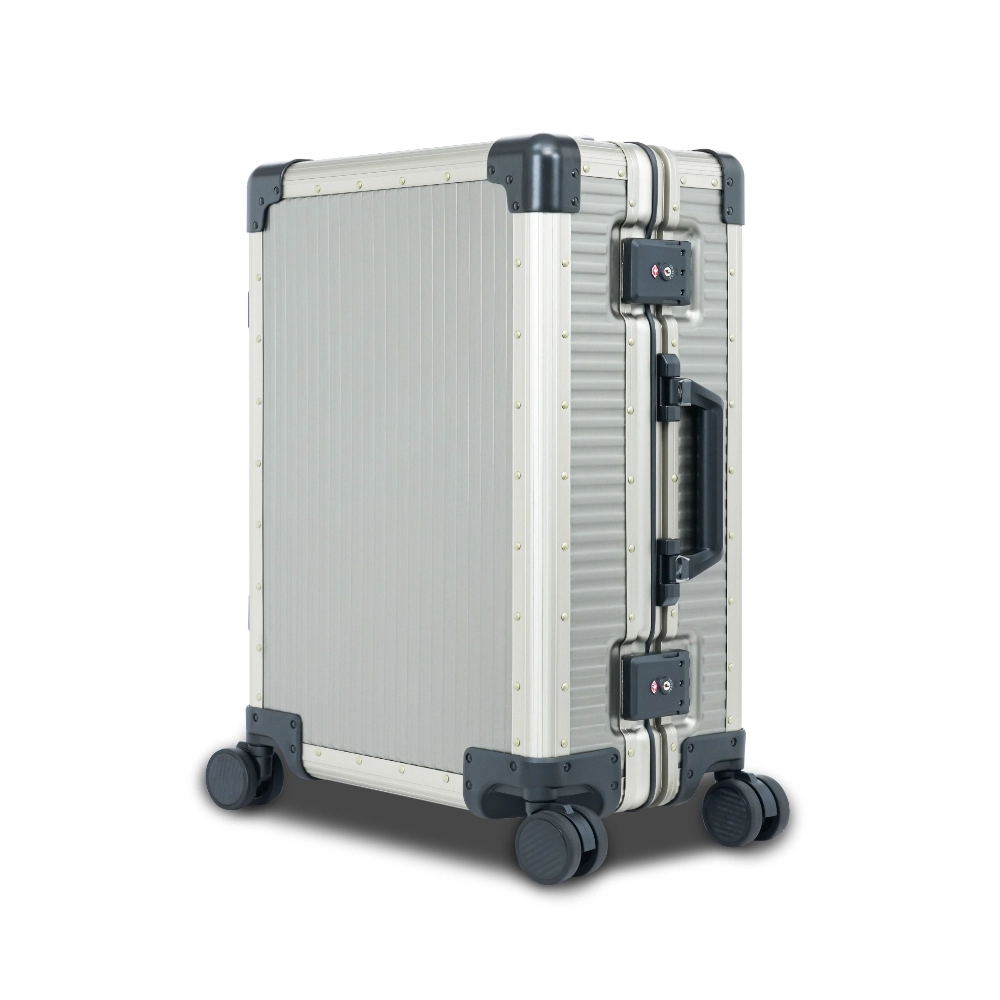
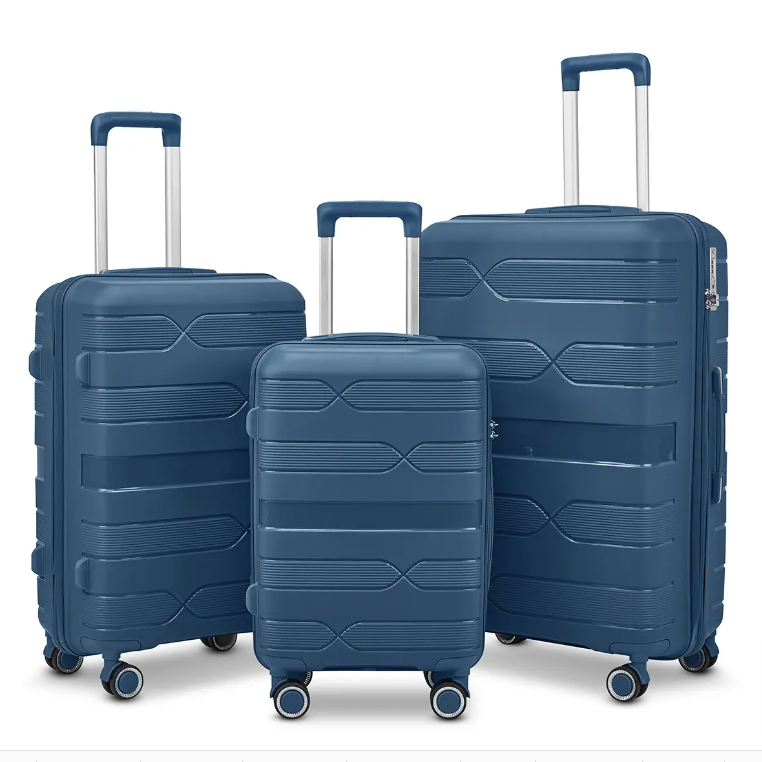
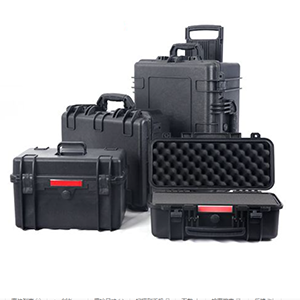
ABS Luggage Manufacturer: OEM Sourcing Guide for Brand Buyers
ABS — acrylonitrile butadiene styrene — is the material behind the majority of entry to mid-range hard-shell luggage worldwide. It is cost-effective, easy to process, available in a wide color range, and accessible at MOQ thresholds that work for brands at any stage of development.
It is also the material most commonly sourced without adequate evaluation — because its accessibility can give buyers a false sense that all ABS factories produce equivalent product. They do not. Shell thickness consistency, resin grade, molding quality, and production controls vary significantly across ABS manufacturers, and those variations show up as return rates, cracking complaints, and color consistency problems after product reaches consumers.
This guide covers what experienced brand buyers verify when sourcing ABS luggage — when ABS is the right material choice, when it is not, and how to evaluate factories before committing to a production order.
At Aluvox, we manufacture ABS luggage alongside aluminum, PC, and titanium lines from our Dongguan, Guangdong facility, with OEM and ODM programs starting from 300 pieces. The framework below applies to evaluating any ABS manufacturer, including us.
When ABS Is the Right Choice — and When It Is Not
ABS is not a universally inferior material to polycarbonate. It is a different material with different performance characteristics, appropriate for specific market segments and use cases. The sourcing error is not choosing ABS — it is choosing ABS for a use case it cannot support.
ABS is the right choice when:
Your target retail price is $30 to $100 for a hard-shell suitcase. Your primary distribution channel is mass retail, promotional, or entry-level e-commerce. Your target market is occasional travelers or first-time luggage buyers where price sensitivity is the primary purchase driver. You need a wide color range with low tooling cost for color changes. You are launching a promotional or gift-with-purchase luggage product where per-unit cost is the dominant constraint.
ABS is the wrong choice when:
Your target market includes cold climate regions — at temperatures below -10°C, ABS loses flexibility and becomes brittle, producing high cracking rates in markets like Canada, Scandinavia, and Northern Europe. Your target retail price is above $120 and your brand positioning requires the structural performance that price point implies. Your distribution channel involves frequent handler contact — airline cargo, hotel luggage storage — where repeated impact is expected rather than occasional.
The ABS/PC hybrid option:
Many factories offer ABS/PC composite shells — a blend that improves impact resistance and low-temperature performance relative to pure ABS while remaining less expensive than pure polycarbonate. For brands targeting the $80 to $150 retail range who need better structural performance than pure ABS provides, ABS/PC composite is often the correct specification. The key is confirming the blend ratio — some factories quote ABS/PC without disclosing that the ABS content is high enough to eliminate most of the PC performance benefit.
| Material | Retail range | Impact resistance | Low temp performance | Color flexibility |
|---|---|---|---|---|
| Pure ABS | $30–$100 | Moderate | Poor below -10°C | Excellent |
| ABS/PC composite | $80–$150 | Good | Moderate | Good |
| Pure PC | $100–$250 | High | Good to -20°C | Good |
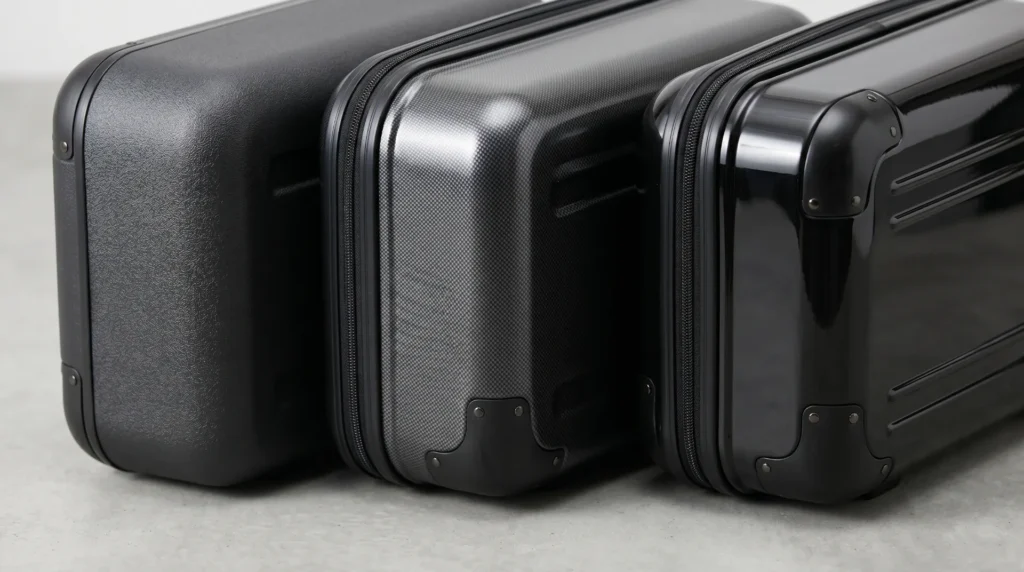
Five Factory Capability Checks for ABS Luggage Sourcing
1. Shell Thickness Consistency
ABS luggage quality is determined more by production consistency than by material grade. A well-controlled ABS production process delivers consistent shell thickness across every panel and every unit in a production run. An inconsistent process produces shells that look identical but have varying structural performance.
Request shell thickness measurements at multiple points on a sample — corner areas, panel centers, and edge zones. Variation above 0.2mm across a single panel indicates inconsistent molding control. Ask the factory how they monitor wall thickness across a production run and what their rejection criteria are.
2. Resin Grade and Source Documentation
Not all ABS resin is equivalent. Virgin ABS from primary materials has consistent molecular chain length and predictable mechanical properties. Recycled ABS or blended resin with unspecified content has shorter, inconsistent molecular chains that reduce impact resistance and produce color inconsistency.
Request the resin grade and supplier documentation for the ABS used in production. A factory sourcing from verified resin suppliers can provide this immediately. A factory that cannot specify their resin source is likely sourcing from mixed or unverified channels.
3. ABS/PC Blend Ratio Disclosure
If you are sourcing an ABS/PC composite product, confirm the blend ratio in writing before production begins. A 70/30 ABS/PC blend behaves significantly differently from a 30/70 blend — the latter approaches pure PC performance while the former retains most of ABS’s limitations. Factories that describe their product as “ABS/PC” without disclosing the blend ratio are not giving you the information you need to evaluate the specification.
4. Color Consistency Management
ABS’s primary commercial advantage is color flexibility — but that advantage only has value if color consistency can be maintained across a production run and across reorders. Ask the factory how they manage inter-batch color consistency: what is their delta-E tolerance specification, and how is color approval managed between pre-production sample and bulk production?
A factory that describes color matching in qualitative terms rather than measurable specifications has not systematized the process. Color complaints and reorder mismatches are the predictable outcome.
5. QC Process and Testing Standards
ABS luggage requires the same structural testing protocol as any hard-shell luggage: drop testing per ISTA 2A or ASTM D5276, compression testing, handle fatigue, and wheel drag. Request pre-shipment test documentation for a recent production run. Third-party inspection from SGS, Bureau Veritas, or Intertek provides independent verification for buyers who cannot inspect production in person.
Aluvox conducts pre-shipment testing across all seven standard categories before bulk goods are released for export.
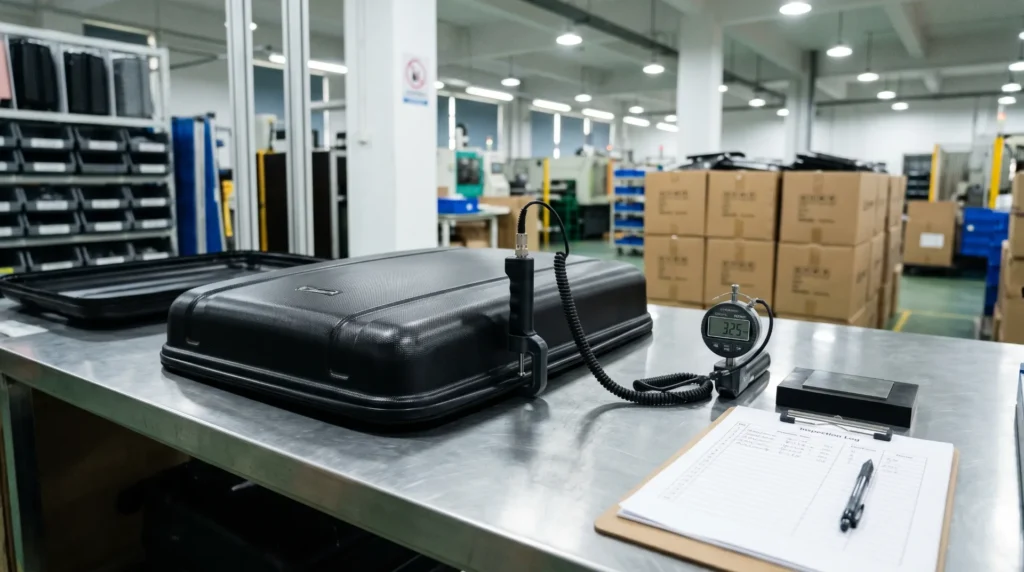
Aluvox ABS Luggage OEM Program
Material specification: ABS and ABS/PC composite shells, thermoformed to specification. Shell thickness managed to consistent tolerance across production runs. Resin sourcing documented per production batch. Color consistency managed to delta-E standard with pre-production approval process.
Production parameters:
| Parameter | Specification |
|---|---|
| MOQ | 300 pcs / style |
| Color splitting | Supported — total order MOQ across colors |
| Sample lead time (existing tooling) | 20 working days |
| Bulk production lead time | 45 days from deposit |
| Surface finish options | Matte / Gloss / Texture |
| Customization scope | Shell color, texture, hardware, logo, lining |
| Export ports | Huangpu, Nansha, Shekou, Yantian |
| Shipment terms | FOB, EXW, CIF |
Brand fit: Aluvox’s ABS program serves e-commerce brands, Amazon sellers, promotional product buyers, and brands launching entry to mid-range luggage lines. The 300-piece MOQ with color splitting allows brands to test multiple colorways at a single order threshold — a commercial structure suited to brands validating market response before committing to volume.
For brands considering both ABS and PC in their product line, see: PC Luggage Manufacturer: OEM Sourcing Guide →
For a full material comparison across aluminum, PC, and ABS, see: Aluminum vs Polycarbonate Luggage: OEM Material Selection Guide →
Browse the Aluvox ABS luggage collection →
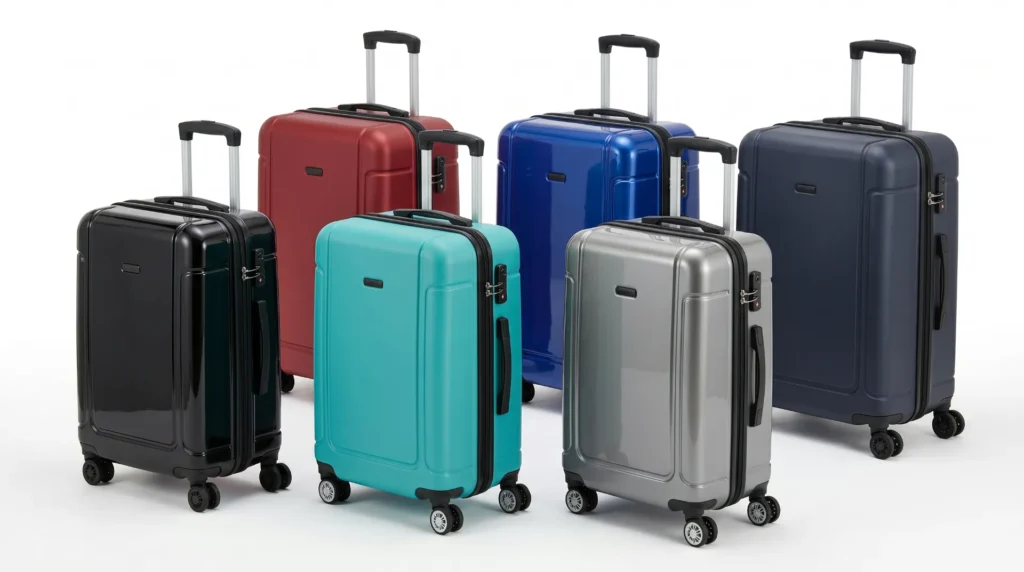
Request an Aluvox ABS luggage sample — verify shell thickness consistency, color accuracy, and production quality before committing to bulk production. Request Sample
Four Red Flags When Sourcing ABS Luggage
Resin source is unspecified or described as “domestic ABS”
Unspecified resin sourcing is the primary quality risk in ABS production. Virgin ABS from documented suppliers has consistent mechanical properties. Mixed or recycled resin does not. A factory that cannot name their resin supplier is sourcing from channels they prefer not to disclose.
ABS/PC blend ratio is not disclosed
A factory quoting ABS/PC without a specific blend ratio is not giving you the specification you need to evaluate the product. The blend ratio determines performance — and a factory that will not disclose it may be using a ratio that does not deliver the performance advantage you are expecting from the composite.
Color consistency is described qualitatively
“We match the sample” is not a quality control process. A factory managing color consistency without delta-E measurement and documented tolerance specifications is relying on visual judgment rather than measurable standards. Color complaints and reorder mismatches are the predictable outcome.
Quote includes ABS as a substitute for a PC specification
Some factories respond to PC luggage requests with ABS quotes, presenting the lower price without clearly disclosing the material change. If you specified PC and received an ABS quote, request explicit confirmation of the material before proceeding. The performance difference is significant, and the liability for consumer returns sits with your brand, not the factory.
For a comprehensive supplier evaluation framework, see: How to Vet Industrial Luggage Suppliers →
ABS Is an Entry Point, Not a Compromise
ABS luggage is not a lesser product — it is a product designed for a specific market segment, and within that segment it delivers exactly what the buyer and end consumer need. The mistake is misapplying the material: using ABS in cold climate markets, positioning it at price points that imply PC performance, or sourcing it from factories that cannot maintain production consistency.
Used correctly — in the right retail tier, the right geography, the right channel — ABS is the most commercially efficient material in the luggage category. It has the widest color range, the lowest tooling cost, the fastest color change cycle, and the most accessible MOQ thresholds.
If you are evaluating ABS luggage manufacturers for an upcoming product line, Aluvox engineers are available to review your target market, distribution channel, and price point — and provide a material recommendation that accounts for the performance requirements your specific market actually has.
Contact an Aluvox Engineer — submit your target retail price, distribution channel, and estimated order volume. We will provide a material recommendation and indicative production quote within 2 business days. Contact Engineering Team