

Custom Luggage Manufacturer: A Brand’s Sourcing Guide
Working with a custom luggage manufacturer is not a single thing. “Custom” runs along a spectrum — from printing your logo on an existing case at one end, to a fully tooled, ground-up design that no other brand can replicate at the other. Most buyers either underestimate how much they can change, or overestimate what their budget and timeline can support. Both mistakes are expensive.
Knowing how deep your customization needs to go is the decision that drives everything else: your unit cost, your minimum order quantity, your lead time, and whether you need new tooling. A logo change and a new mold are both “custom,” but they are different projects with different economics.
This guide explains the two levels of custom manufacturing, how far customization can actually go, the production process step by step, and what to confirm before placing your first custom order. It is written from the brand’s side — not how a factory presents itself, but how a buyer should navigate the custom process.
At Aluvox, we provide custom luggage manufacturing across OEM and ODM models from our Dongguan facility, from logo-level customization to fully tooled original designs. The framework below applies to working with any custom luggage manufacturer, including us.
Two Levels of Custom: OEM vs ODM
The first thing to understand is the difference between OEM and ODM, because buyers routinely confuse them and the confusion leads to mismatched expectations.
OEM (Original Equipment Manufacturer) — you bring the design. You provide the design, specifications, or a reference sample, and the factory produces to your specification. You control the dimensions, materials, and branding. This is the path for a brand that has its own design vision and wants it executed precisely. It typically requires more design input from you, and often new tooling if your design differs from the factory’s existing molds.
ODM (Original Design Manufacturer) — the factory’s design, your brand. The factory has existing designs and molds; you select one, customize it (color, logo, lining, hardware), and sell it under your brand. This is faster and cheaper because the tooling already exists. Most new brands start here — it is the lower-risk entry into a branded product line.
Neither is “better.” A brand validating a market starts with ODM to move fast and cheap; a brand with a distinct design identity moves to OEM for a product no competitor can copy. Knowing which one you need prevents the most common mismatch — asking for ODM speed and price on an OEM-level custom project, or paying for OEM tooling when an ODM customization would have served.
For the manufacturer selection framework behind either path, see: How to Choose a Luggage Manufacturer in China →
How Deep Customization Actually Goes
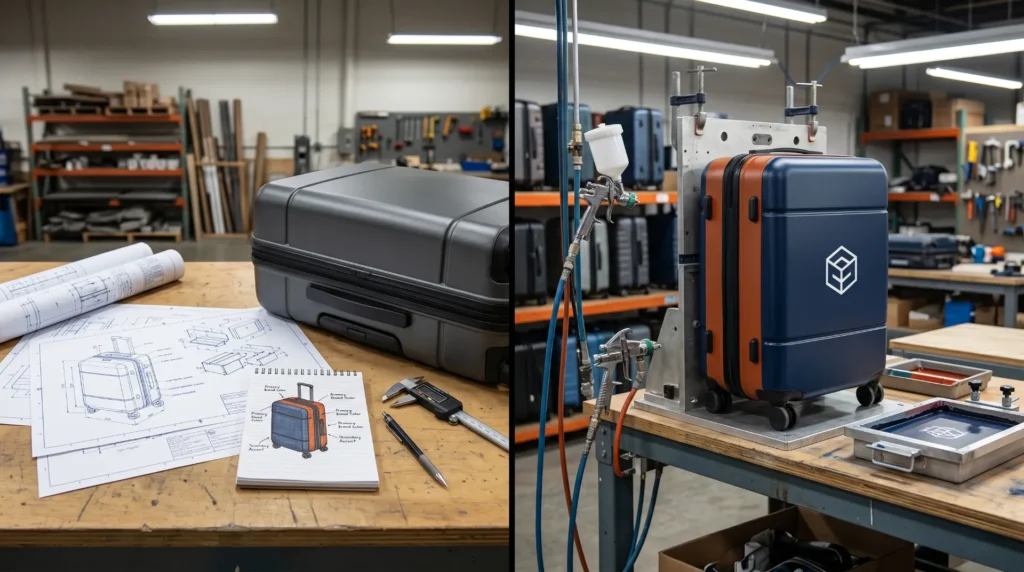
Customization is a spectrum. Understanding each level — and what it costs in money and time — lets you scope your project correctly. The levels below run from fastest/cheapest to slowest/most expensive.
Level 1 — Logo and branding. Your logo applied to an existing case via embossing, printing, engraving, or a branded plate. Also includes branded zipper pulls, custom lining prints, and packaging. No tooling, shortest lead time. The entry level of custom.
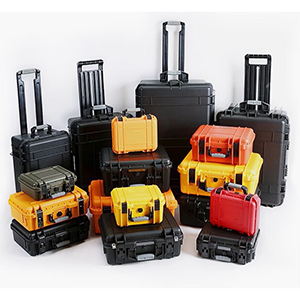
Level 2 — Color and finish. Your brand colors applied to an existing mold — anodized colors for aluminum, custom Pantone-matched finishes for PC/ABS, brushed/sandblasted/matte/gloss surface treatments. Still no structural tooling, but adds finish development time.
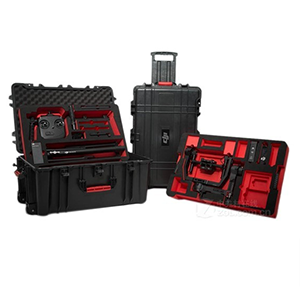
Level 3 — Components and hardware. Swapping wheels, locks, handles, lining material, and interior organization on an existing shell. Lets a brand differentiate the product’s feel and function without redesigning the shell. Moderate complexity.
Level 4 — Configuration and dimensions. Adjusting sizes, internal layout, compartment design, and feature sets. May require partial tooling adjustment depending on how far the changes go.
Level 5 — Full original design (new tooling). A ground-up shell design unique to your brand, requiring new molds. This is the deepest customization — the level that produces a product no competitor can replicate, like the brands offering a million color-and-feature combinations as their entire differentiator. It carries the highest tooling cost (new mold development) and the longest lead time, but it delivers true exclusivity.
The practical guidance: most brands do not need Level 5 to launch. Levels 1–3 on a quality existing shell produce a genuinely branded, differentiated product at a fraction of the cost and time of new tooling. Move to Level 5 when your volume justifies the tooling investment and your brand identity demands a shell no one else has.
For how minimum order quantities scale across these customization levels, see: Custom Luggage MOQ Guide →
The Custom Luggage Production Process, Step by Step
Buyers consistently report uncertainty about what the custom process actually involves. Here is the full sequence, from first contact to delivered goods.
Step 1 — Consultation and requirements. You define the product: material, size, target retail price, customization level, order volume, and timeline. The manufacturer assesses feasibility and indicates whether your design fits existing tooling or needs new molds.
Step 2 — Design and specification. For ODM, you select and customize an existing design. For OEM, you provide designs or work with the factory to finalize specifications, CAD drawings, and material selections.
Step 3 — Pre-production sample. The factory produces a sample for your sign-off before mass production. This is the single most important checkpoint in the entire process — it is where you verify color, finish, hardware, dimensions, and quality against your specification. Do not approve mass production without a physical sample in hand. A reputable manufacturer will also send photos or video of the finished sample before shipping it, a trust practice that custom buyers specifically value.
Step 4 — Sample revision and approval. You review the sample, request revisions if needed, and approve the final version. Build time for revisions into your timeline — assuming the first sample is perfect is the most common scheduling mistake.
Step 5 — Mass production. On approval and deposit, the factory runs production. Standard timeline is 45 days for bulk; new mold development adds 30–45 days before production can begin.
Step 6 — Quality control and testing. In-house and ideally third-party QC: drop testing, wheel rolling tests, lock and zipper function, finish inspection. Request the QC report and any test documentation.
Step 7 — Shipment. Final inspection, packing, and export. Payment typically follows a 30% deposit, 70% against bill of lading structure.
The process is predictable when both sides understand it. The two most common failures are skipping the physical sample sign-off, and underestimating the revision and tooling time in the schedule.
What to Confirm Before Your First Custom Order
Before committing to a custom luggage manufacturer, confirm these items in writing. They prevent the most common and costly first-order surprises.
MOQ and color splitting. Confirm the minimum order quantity per style, and whether the factory allows color splitting — producing multiple colors within a single MOQ. A 300-unit MOQ that allows color splitting lets you launch several colors within one minimum, rather than 300 units per color.
Sampling cost and timeline. Confirm the sample fee and how long sampling takes (existing tooling vs new mold). Confirm whether the sample fee is credited against a production order.
Tooling cost and ownership. For OEM with new molds, confirm tooling cost and — critically — who owns the tooling. Tooling ownership affects whether you can move production elsewhere later.
Material verification. Request the mill certificate for metal shells, and confirmation of virgin (not recycled) material for PC/ABS. A manufacturer that cannot document its materials cannot prove what you are buying.
Lead times — realistic, not optimistic. Confirm sample lead time, mold development time, and bulk production time separately. Build in buffer for revisions, QC, and shipping.
Payment terms. Confirm the deposit structure (commonly 30% deposit, 70% against B/L) and what protections exist if the goods fail QC.
A custom manufacturer that answers these clearly and in writing is one you can plan around. One that is vague on MOQ, tooling ownership, or material documentation is a risk regardless of price. For the full supplier verification framework, see: Top OEM Luggage Manufacturers in China →
Aluvox Custom Luggage OEM/ODM Program
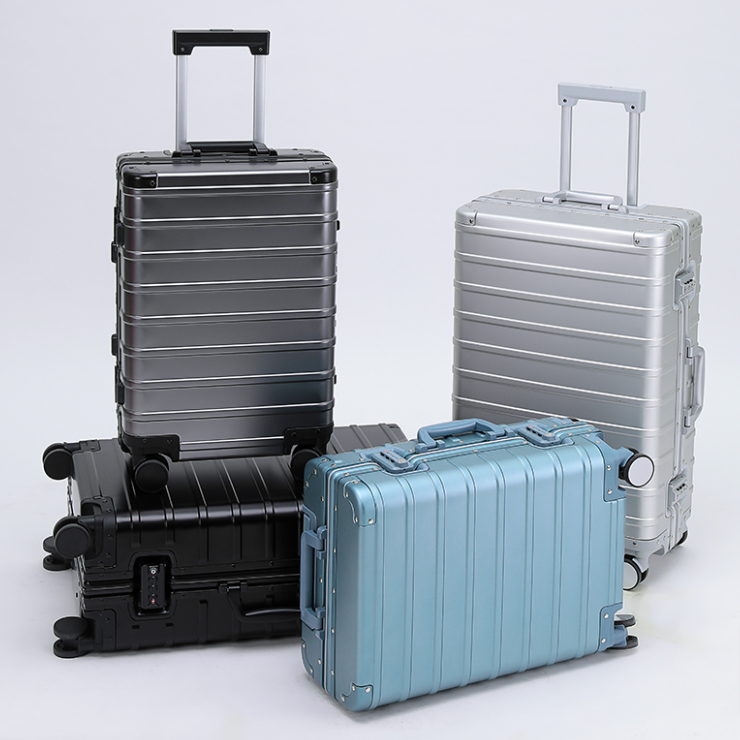
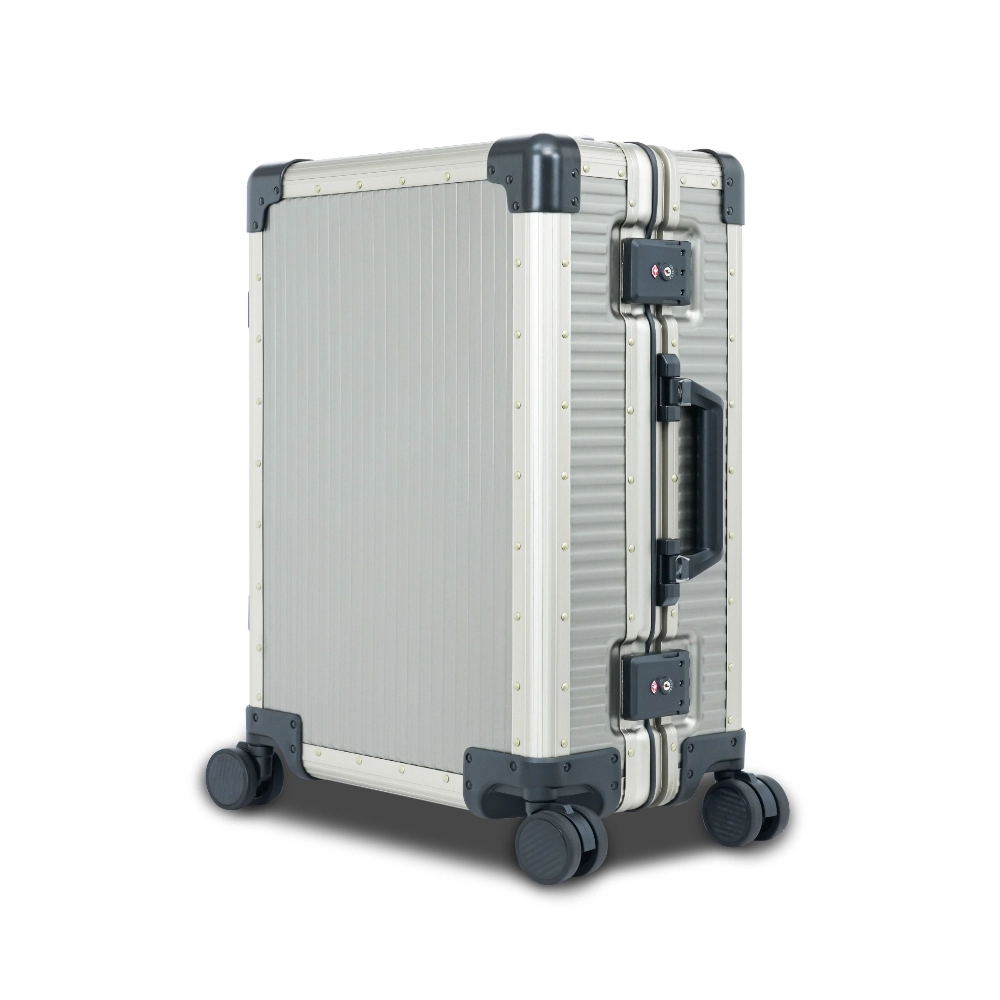
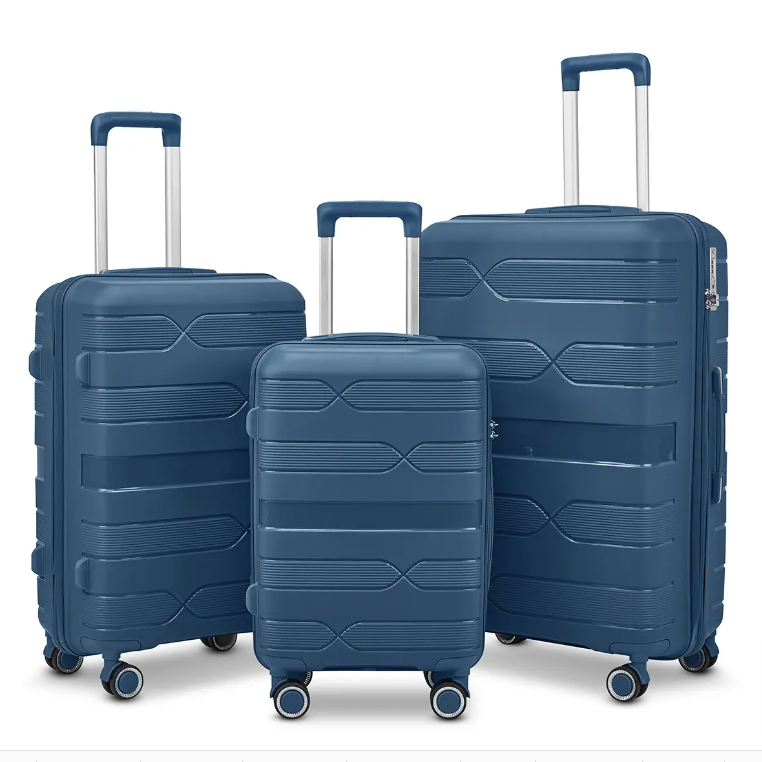
Customization model: Aluvox provides both OEM (your design) and ODM (our design, your brand) custom luggage manufacturing, across all five customization levels — from logo and color through to fully tooled original shell designs. Materials span aluminum, PC, ABS, PP, and titanium.
Production parameters:
| Parameter | Specification |
|---|---|
| MOQ | 300 pcs / style |
| Color splitting | Supported — total order MOQ across colors |
| Customization levels | Logo / color / hardware / configuration / full tooling |
| Materials | Aluminum, PC, ABS, PP, titanium |
| Sample lead time (existing tooling) | 20 working days |
| New mold development | 30–45 working days |
| Bulk production | 45 days from deposit |
| Payment terms | 30% deposit + 70% against B/L |
| Export ports | Huangpu, Nansha, Shekou, Yantian |
| Shipment terms | FOB, EXW, CIF |
Process discipline: Every custom order includes a pre-production sample for sign-off before mass production, with photo or video confirmation of the finished sample. Material documentation — mill certificates for metal, virgin-material confirmation for PC/ABS — is provided on request. QC includes drop testing, wheel and lock function testing, and finish inspection, with third-party verification (SGS, Bureau Veritas, Intertek) available.
Browse the Aluvox custom luggage collection →
Visit the Aluvox private label luggage manufacturer page →
Request a custom quote — submit your product, customization level, and volume, and we will provide indicative pricing and a project timeline within 2 business days. Request Quote
Customization Strategy by Brand Stage
The right depth of customization depends on where your brand is. Three stages map to three approaches.
Validation stage — start with ODM, Levels 1–2. A new brand validating its market should start with ODM customization on a quality existing shell: logo, branding, and brand colors. This produces a genuinely branded product fast and cheap, with no tooling investment, letting you test demand before committing capital. Most successful brands begin exactly here.
Building stage — ODM Levels 3–4, selective OEM. Once demand is validated, deepen the customization — custom hardware, lining, configuration adjustments — to differentiate the product further. Begin considering OEM and new tooling for your hero products where exclusivity matters most. This is where the brand identity sharpens.
Scale stage — OEM, Level 5 tooling. At scale, invest in full original tooling for the products that define your brand. A unique shell no competitor can replicate becomes a durable competitive advantage. The tooling cost is justified by volume, and the exclusivity supports premium positioning. This is the stage where the brand owns its design outright.
The trajectory is consistent: start shallow and fast to validate, deepen customization as demand proves out, and invest in full tooling when volume and brand identity justify it. The mistake is jumping to Level 5 tooling before the market is proven — or staying at Level 1 long after the brand has earned the right to a unique design.
Custom Is a Spectrum, Not a Switch
The brands that work well with custom luggage manufacturers understand that “custom” is a spectrum, and they scope their project to the level they actually need. A logo and a brand color produce a branded product at ODM speed and cost. A fully tooled original shell produces an exclusive product at OEM investment and timeline. Both are valid; choosing the wrong one for your stage wastes either money or opportunity.
The process is predictable when you understand it: define the level, confirm MOQ and tooling, insist on a physical sample sign-off, and verify materials and QC. The manufacturers worth working with answer these clearly; the ones to avoid stay vague.
If you are scoping a custom luggage project and want help matching the customization level to your stage, budget, and timeline, Aluvox can walk you through the OEM/ODM decision and provide an indicative quote and project timeline.
Contact our Sales Team — tell us your product, customization level, and target volume. We will provide a custom manufacturing quote and project timeline within 2 business days. Contact Sales Team