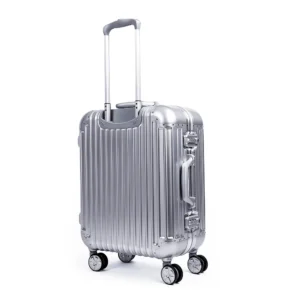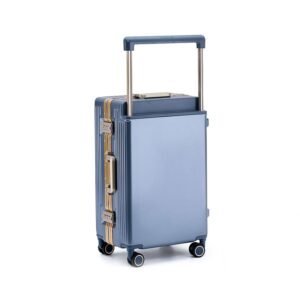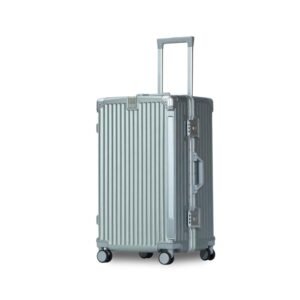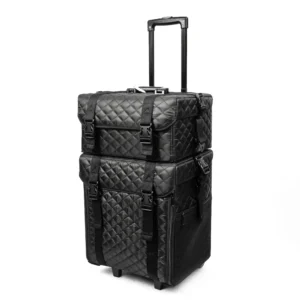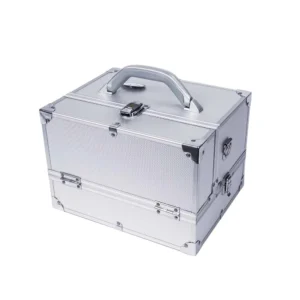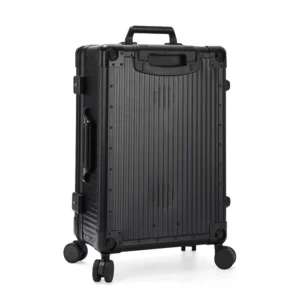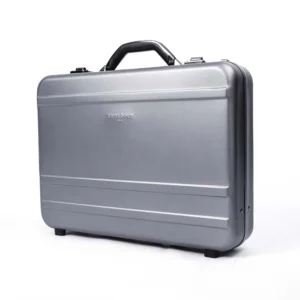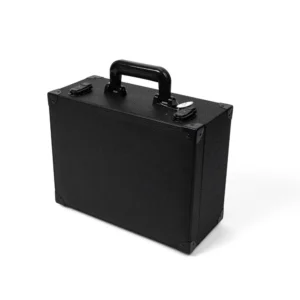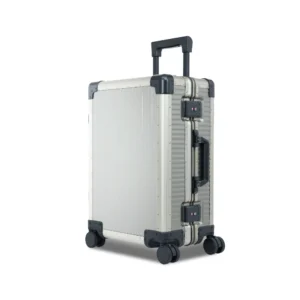

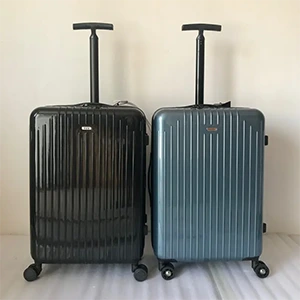
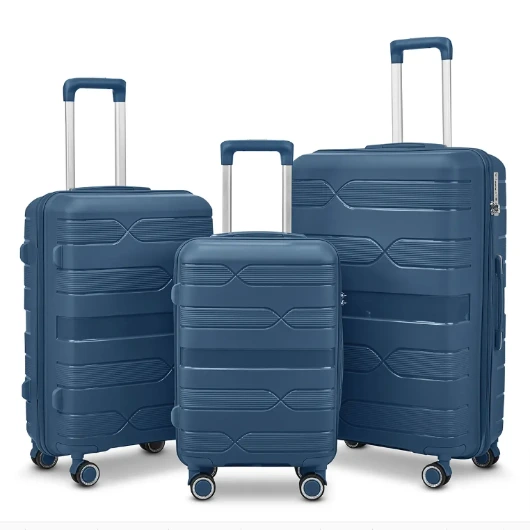
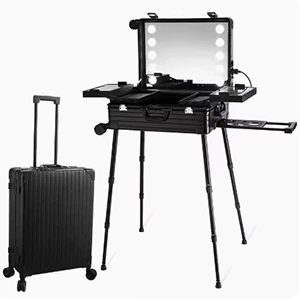
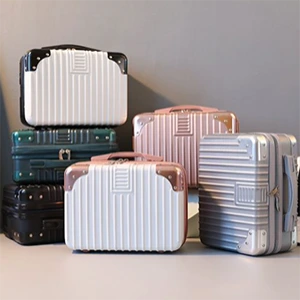
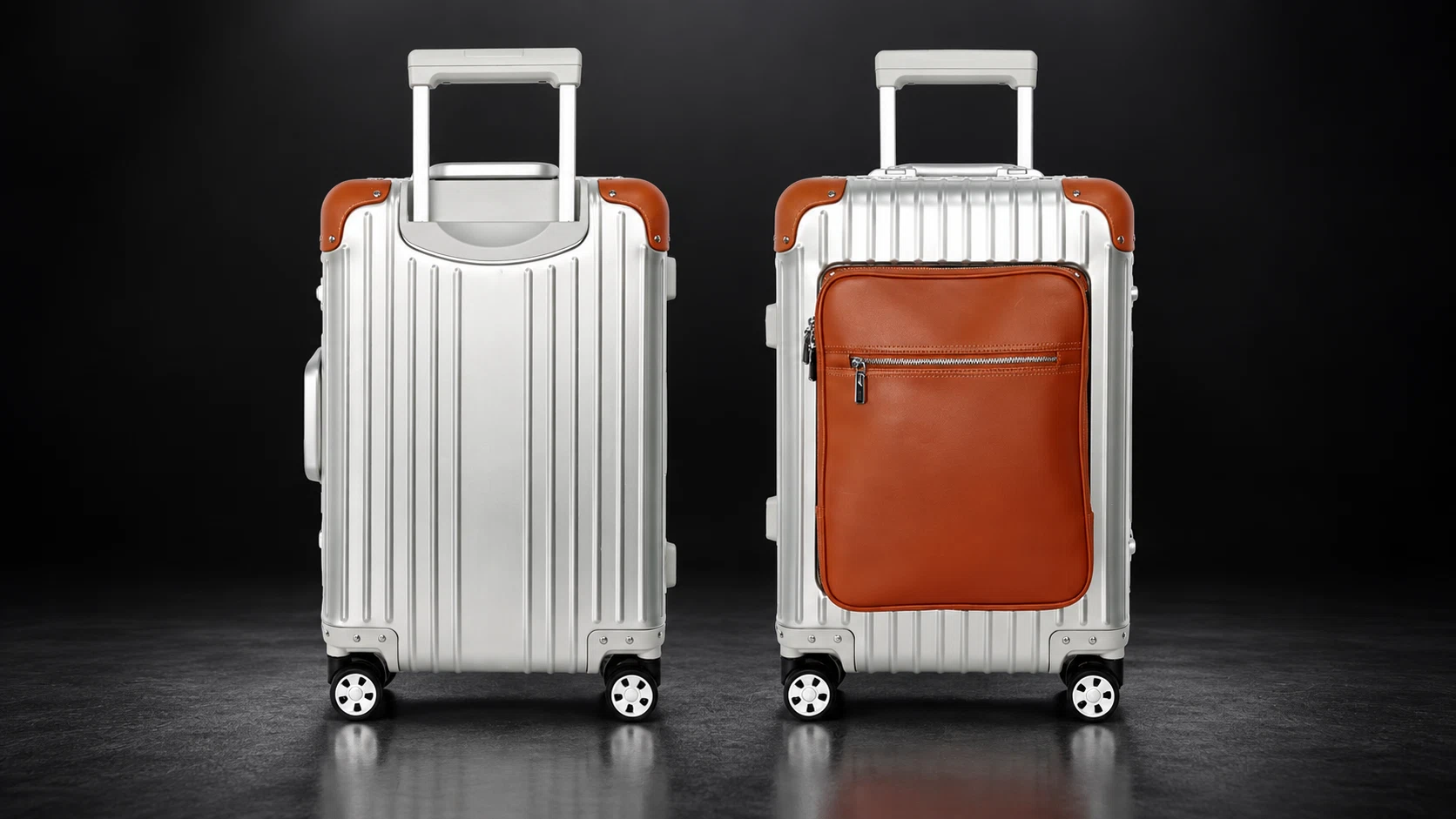
When choosing a luggage manufacturer in China, start by checking whether its existing products are close to what you need. Then compare its ability to make the required changes, and check that the quote, sample, and delivery arrangements all describe the same order.
If you do not yet have a complete specification, begin with your sales channels, target customers, and budget. A manufacturer’s ability to recommend specific models and explain the trade-offs in configuration and cost is also worth assessing.
At Aluvox, we draw on our sales and manufacturing experience to help brands, wholesalers, and distributors develop a product proposal, then work through the details in the quote and sample. Whether you want to add branding to an existing model or introduce an aluminum luggage collection, the following steps can help you decide whether a manufacturer is the right fit.
Choose models around your sales channels and how the luggage will be used
Aluminum luggage for short business trips, vacations with checked bags, and corporate gifts can call for different features. Your sales channel also affects the range: a direct-to-consumer brand may want a distinctive flagship product, while a distributor may need several sizes and configurations to serve different customers.
When discussing models, we compare the features you want to add with the available case designs, components, and customization options.
| Your planned product line | What we need to understand | Options to discuss |
|---|---|---|
| Short business trips | Target carry-on dimensions, weight requirements, and storage for a laptop and personal items | Case dimensions, interior layout, and whether easier access to selected items calls for a different opening design |
| Vacation and checked luggage | Planned contents, capacity, size combinations, and budget | Case capacity, internal restraints, wheels and telescoping handles, and sample evaluation under the planned load |
| Specialty retail or premium DTC | Brand appearance, target price, and how the new collection should differ from the existing range | Case shape, finish, hardware, interior, and packaging combinations |
| Corporate gifts or collaborations | Recipients, branding, order quantity, and required delivery date | A logo on an existing model, or further changes to the interior, color, and packaging |
For example, if you want an aluminum case with a recognizable brand identity, we can start with an existing model and compare finishes, logo treatments, hardware, and interiors. If a distinctive shell shape is central to the product, we can discuss a new structure and tooling instead.
Our recommendations need to explain which changes can be made to an existing product, which add development work, and which need sample confirmation. That gives you a practical basis for deciding where to spend your budget.
Define the case construction and the changes you want
Once you have a product direction, define the case construction you intend to buy.
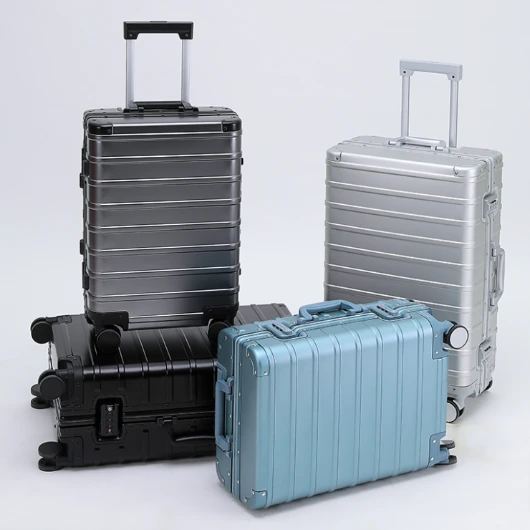
An all-aluminum case and a case with polycarbonate shells and an aluminum frame are different constructions, even if both use latches. When comparing proposals, specify the shell, frame, and closure separately rather than describing both simply as “aluminum luggage.”
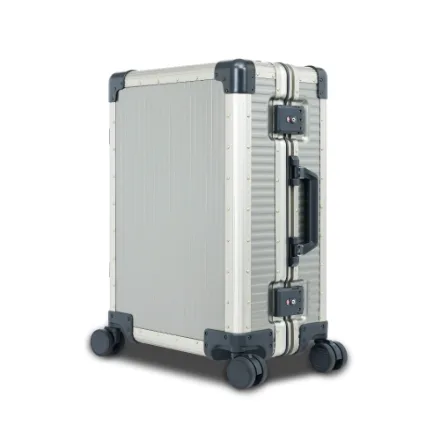
Our TS-003, for example, has aluminum shells, an aluminum frame, and a zipperless closure. If that base model suits your plans, we can discuss what to retain and what to change.


If the main changes are the logo and interior, the discussion centers on the branding result, layout, and cost. Changes to the shell profile, opening design, or component mounting positions require a closer review of the structure and development work.
The same applies to a different lock. First compare the proposed lock with the mounting position on the selected case, then determine whether the existing structure can be retained or whether parts or tooling need changes. A new lock does not automatically require new tooling, but compatibility should not be promised before the structure has been checked.
By the end of this discussion, you should know which specifications stay the same, which parts need changes, and which details still need sample evaluation. That is more useful for planning an order than a general promise of “full customization.”
Check manufacturing capabilities against your specific case
A factory’s equipment and production areas should be relevant to the product you plan to buy.
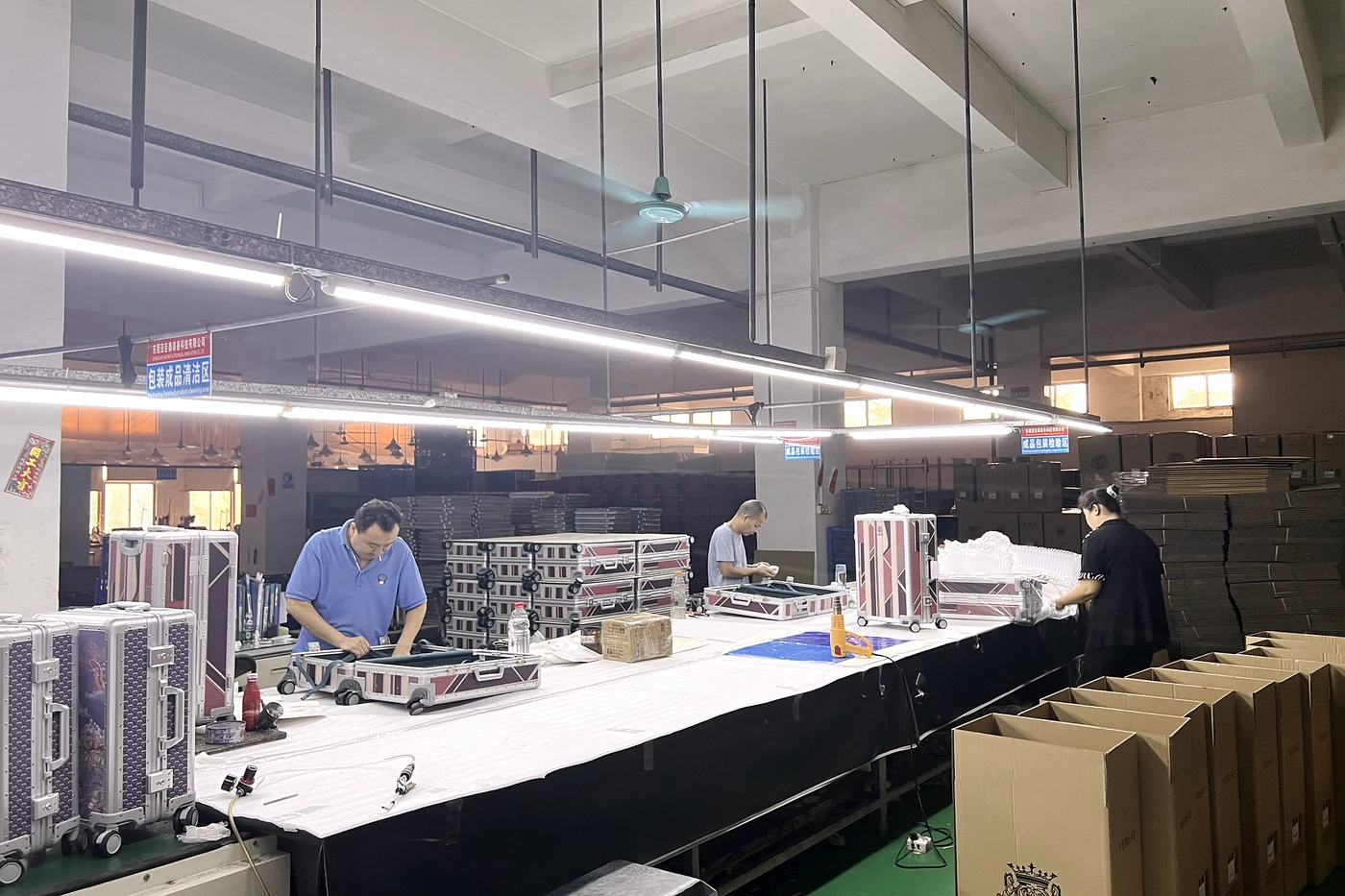
For aluminum luggage, look at where shell forming, frame assembly, surface treatment, and component installation take place, and who is responsible for them. After seeing a machine, establish which production step it performs and how it relates to your selected model.
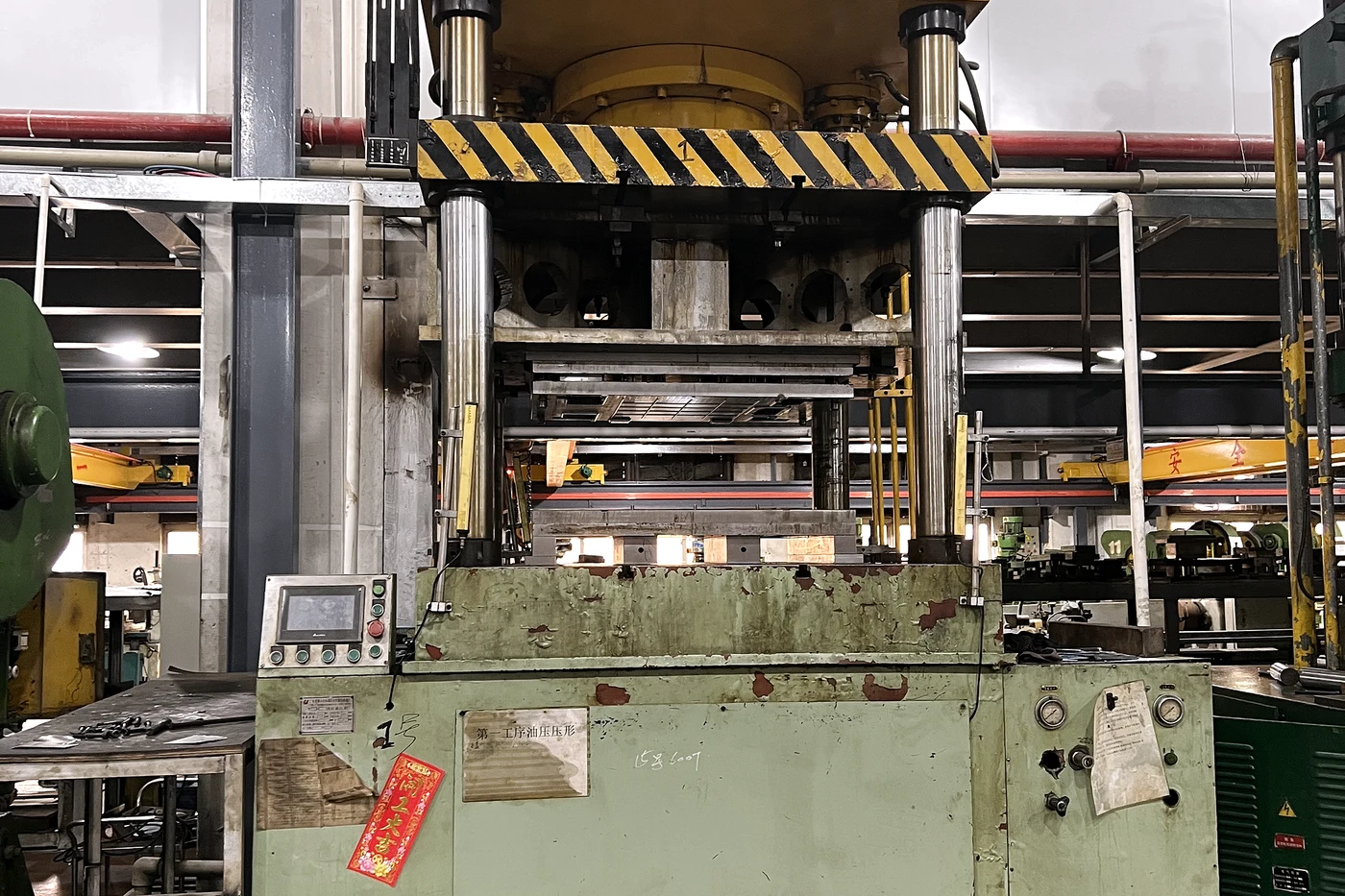
For example, if you want different wheels on an existing aluminum case, use that change to discuss development capability: which wheel assemblies are being proposed, whether the mounting positions are suitable, whether adjacent parts need changes, and how the sample will be checked. Answers tied to the actual case tell you more about the proposed work than an equipment list alone.
For wheels, locks, and telescoping handles, distinguish the case manufacturer’s role from the component supplier’s. We need to consider installation, operation on the complete case, and future supply alongside component selection. A component brand alone does not establish whether the finished suitcase meets your requirements.
If a partner handles a production step, ask how requirements are communicated, who checks the work, and how problems are handled. Outsourcing alone does not establish quality; the working arrangements and responsibilities need to be understood.
A factory audit helps you assess facilities, capabilities, and quality management. Product inspection checks actual goods against agreed requirements. They answer different questions and do not replace one another.
Compare the proposed specifications and what each quote includes
Once the product direction is agreed, the quote should reflect the requirements you have discussed.
Suppose you are planning a business-travel aluminum case using an existing shell, with your logo, specified wheels, and a customized interior. If one quote includes all of those items and another retains the standard wheels and interior, the two prices are not directly comparable.
| Item | Details to check |
|---|---|
| Case | Materials, dimensions, closure, and finish |
| Components | The specific wheels, locks, telescoping handle, and interior |
| Branding | Logo method, placement, dimensions, and charges |
| Quantity | Total quantity and the breakdown by model, size, and color |
| Development | Sampling, structural changes, and tooling charges |
| Packaging and delivery | Packaging requirements, delivery location, and the transport costs included |
| Ongoing supply | Spare parts, repeat orders, and arrangements for specification changes |
If the proposal exceeds your budget, identify the features you need to keep and those you are willing to change. Then compare the available alternatives separately.
For example, you may want to retain the exterior and interior design while leaving the wheels open for discussion. We can compare the proposed wheel options through their cost and sample performance. Each price change then corresponds to a specific product change, so you can see what you would receive.
An “upgraded” configuration should explain what changes and why it suits your requirements, rather than simply presenting a higher price.
Review samples for the way the luggage will be used
Sample evaluation should return to the intended use discussed at the beginning.
For a business collection, review appearance and try packing the intended contents. Check access to a laptop, documents, and personal items, and whether the interior works as planned. For checked luggage, discuss capacity, internal restraints, rolling, and lifting checks under the planned packing and load conditions.
Discuss these requirements before the sample is made. Test items, conditions, and required documentation are agreed for the project. The material name or component brand alone cannot establish the performance of the complete case.
Also distinguish what an existing-model sample and a customized sample are intended to confirm. A sample without your logo, color, or interior can help you review the base case, but the customization that has not yet been made still needs separate approval.
Make revision comments specific to the part or position:
“Move the logo upward to the position marked on the image” is more actionable than “The logo does not look right.”
“Adjust the divider to fit the items we plan to pack” gives the discussion a clearer starting point than “The interior is not practical enough.”
After each revision, distinguish approved details from those still needing changes, and confirm any effect on cost or timing. The final approved sample and specification should refer to the same version and serve as the reference for production and inspection.
Agree on quantities, timing, and spare parts before the first order
Once the product is right, check whether the order arrangements fit your sales plans.
For Aluvox’s regular orders, we can discuss 300 pieces in total, with a mix of sizes and styles. Logo customization on existing models can start at 50 pieces. Confirm the applicable configuration and charges for each option separately. Projects involving a new structure or new tooling need their own assessment.
Lead times also need a clear starting point. Schedule sample making, your review, revisions, production, and transport separately. If you have a launch date, work backward from the required arrival date and allow time for the decisions and approvals still needed.
Discuss spare parts when placing the order. Based on your after-sales arrangements, agree on the wheel assemblies, locks, or other parts to keep available, along with their model references, quantities, and costs. Parts supply should support the way your brand or distribution business handles customer service.
If you expect repeat orders, identify the appearance and specifications that need to stay consistent. Discuss any proposed changes before confirming a later batch, rather than discovering differences after delivery.
Choose the manufacturer whose proposal fits your product and order
After discussing the product, comparing quotes, and reviewing samples, you should be able to judge whether the manufacturer understands your requirements, has explained its recommendations, and can carry those details through to the sample, specification, and order terms.
If several manufacturers’ samples meet your requirements, compare the remaining issues: whose quote includes the configuration you need, whose development work and charges are clearer, and whose delivery and spare-parts arrangements fit your business?
If one manufacturer’s existing model needs only a few changes while another proposal requires several parts to be developed, decide whether that extra work delivers the features you want before committing to it. Make the choice around this product plan, rather than factory size or the lowest unit price alone.
For buyers with complete specifications, the priority is making the product as required. For buyers still planning a collection, the manufacturer should also help compare options and explain the differences in development work and cost.
If you are adding aluminum luggage to your brand or distribution range, send us your sales channels, reference models, the features you want to add, and planned quantities. You do not need to settle every component before getting in touch. We can discuss suitable models, customization, and a first-order proposal around your plans. Explore Aluvox private-label luggage.