

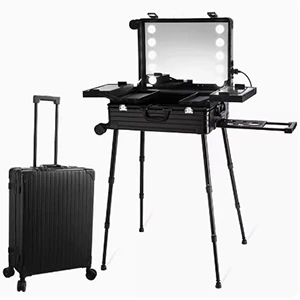


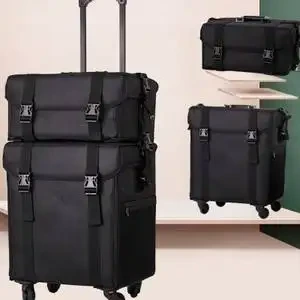
Search “aluminum flight case manufacturer” and you land in the world of touring, broadcast, and industrial transit: rack cases for audio and lighting, ATA-rated transport cases, and full-aluminum equipment cases that have to arrive intact after trucks, forklifts, and baggage holds. It is a demanding, spec-driven tier — and the first thing a buyer has to settle is what “flight case” even means, because the term covers two different builds with different materials.
If you are an equipment brand, a rental house, a systems integrator, or a distributor sourcing aluminum flight cases, this guide walks the sourcing side: the flight-versus-road distinction, the construction and hardware that decide whether a case survives, foam and rack interiors, and how to brief a manufacturer so the case matches your gear and your logistics.
Flight case vs. road case: two builds under one search
This distinction is the one most buyers get wrong, and it changes the whole spec. A road case is engineered for rugged ground transport: laminated plywood panels bound by an aluminum extrusion frame and steel hardware, with precision-cut foam inside, thick and heavy and built for trucks and repeated load-ins. A flight case, strictly speaking, is optimized for air transport: lighter materials — aluminum panels, ABS, or composite — over a frame, with shock-absorbing foam, built to balance protection against airline weight limits. In everyday use the terms blur, and “flight case” is often used for both, but the materials and the trade-offs are real.
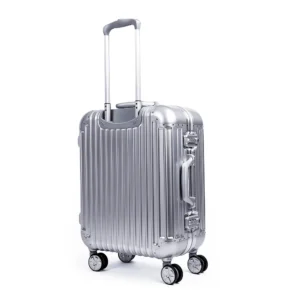
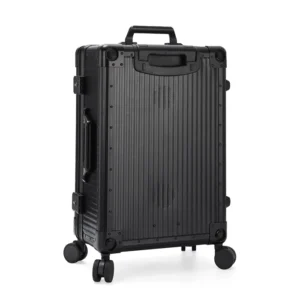
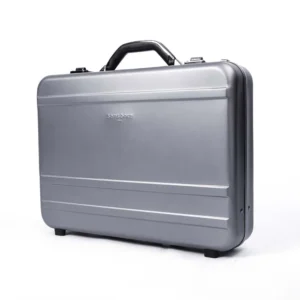
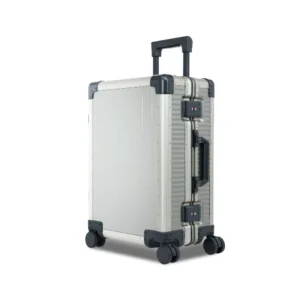
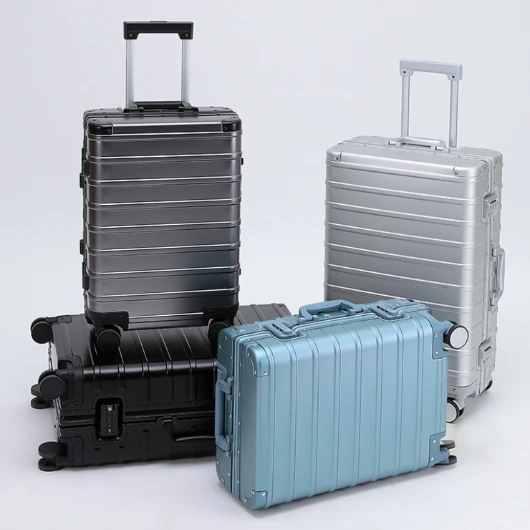
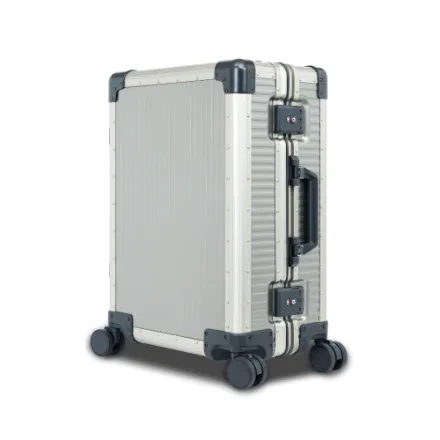
Where does aluminum sit? In two places. The stage-and-AV road case uses an aluminum frame around plywood panels, which is what dedicated road-case makers build for DJ, mixer, and lighting rigs. The full-aluminum flight or transit case uses an aluminum shell with riveted corners and internal cushioning, which is the lighter, corrosion-resistant choice for cameras, instruments, and sensitive electronics. As one industry guide puts it, flight cases are aluminum cases with ultra-strong riveted corners and internal cushioning. Aluvox builds full-metal aluminum cases, so this guide focuses on that full-aluminum transit-case branch — and is honest about when a plywood-and-extrusion road case from a stage specialist is the better tool.
It helps to see who serves each branch, because the benchmarks make the distinction concrete. On the stage-and-AV road-case side, dedicated makers such as HONECASE have built aluminum-framed plywood cases since 2010 — rack cases in 1U to 16U, DJ and mixer cases, par-light cases — typically on 9mm or 12mm plywood with concave-convex aluminum extrusion and four-inch silent castors. On the full-aluminum side, German maker bwh Koffer and ZARGES build premium lightweight all-aluminum equipment cases, while US firms like Royal Case and U.S. Case Corporation build welded-aluminum and ATA-certified transit cases. Knowing which camp a manufacturer lives in tells you immediately whether their build matches your route.
The construction details that decide whether a case survives
Touring and transit buyers are blunt about what separates a professional case from a light-duty one, and it is rarely the logo. Industry teardowns point to the same short list: panel strength, the aluminum valance or frame, steel ball corners, rivet quality, caster mounting, and interior support. Get those right and the case lasts years; get them wrong and it fatigues fast under load.
Work through them when you spec. Panels should be thick enough not to flex — thin or low-grade panels flex under load and fatigue faster in repeated truck-pack use. Corners should be steel or cast ball corners, which absorb impact and deflect crushing in stacked environments far better than flat pressed corners. Latches should be recessed butterfly latches with over-center locking, because recessed hardware protects against snagging and breakage during transport, and professional buyers are warned to avoid spring-loaded plastic latches on serious gear. Joints should be double-glued and screwed rather than stapled, corners reinforced, and any sealed case fitted with an O-ring gasket for dust and moisture. On the full-aluminum side, the equivalents are riveted corners, a rigid aluminum frame, and quality castors. When you source, ask for these specs and their test results — not a hero photo.
The reason these details matter is cumulative, and experienced buyers warn about it directly: a case can seem adequate in a warehouse test or an occasional local gig, then start to fail once it enters regular truck rotation, because small impacts, constant vibration, and repetitive loading expose weak points over time. That is why working professionals tend to stay with established case formats and manufacturers — they are not buying protection for one event, but consistency over years of use. Spec for the worst route the case will see, not the easiest.
Foam, racks, and the interior that does the real work
A flight case is only as good as what holds the gear still. The interior is where a generic box becomes a fitted case, and it comes in a few forms. Custom-cut foam — pick-and-pluck or CNC-cut to the equipment — cradles cameras, instruments, and electronics so they cannot move; it is the standard for sensitive gear. Rack cases mount 19-inch gear on rails by U height — 1U, 2U, 4U, up to 12U and beyond — so technicians can run equipment without removing it. Workbox builds add drawers and compartments for tools and accessories. And the detail touring crews raise most often: leave margin. Crews do not move idealized product photos; they move real systems with power supplies, clamps, adapters, and spare cables, and a case that fits only the main unit gets forced shut or split into pieces.
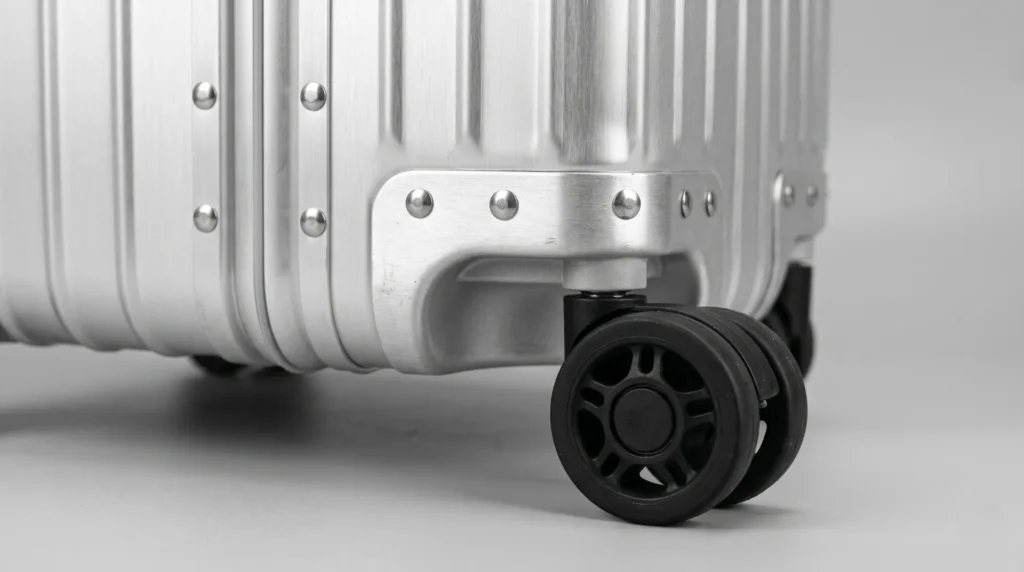
Two interior details repay attention on heavier builds. Castors are not just mobility — four-inch silent, wear-resistant castors, ideally with a couple braked, reduce crew strain on long pushes across venues and protect the floor and the gear from vibration. And removable lids or panels — front, top, and rear — let a crew reach rack gear from the right side without unpacking the whole case. These are the touches that separate a case a crew tolerates from one they ask for by name.
So brief the interior as carefully as the shell. Specify the foam type and layout, the rack height and depth, and any drawers or cable space, and confirm the manufacturer can build the interior from your drawing or a sample of the gear. The interior is what turns a case into protection for your specific equipment rather than a metal box.
Sourcing aluminum flight cases for your equipment? Aluvox builds full-aluminum transport and equipment cases to your spec — explore our aluminum cases and tell us your gear, your foam, and your logistics.
How to evaluate an aluminum flight case manufacturer
Sourcing flight cases in bulk rewards a disciplined checklist. Score every candidate the same way:
- Construction and hardware. Panel thickness, frame or valance, ball corners, recessed butterfly latches, rivet or joint quality, and castors — with specifications, not just images.
- Material honesty. Whether the case is full aluminum, or an aluminum frame around plywood or composite panels — and which is right for your route and weight limits.
- Interior capability. Custom foam (pick-and-pluck or CNC), rack mounting by U height, drawers, and cable management built to your gear.
- Standards and testing. ATA-300 where it applies, drop and load testing, and the certifications your sector needs; ask what they actually test, not what they claim.
- Customization and branding. Dimensions, panel color and thickness, hardware finish, and logo — the levers a real manufacturer offers.
- MOQ, sampling, and packaging. Confirm MOQ, sample lead time and cost, and how cases are protected for export, since a flight case damaged in transit is an expensive irony.
A manufacturer that answers all six can build a case for your gear and your route. One that quotes a price without asking what you are shipping is selling a box, not protection.
Stock vs. custom, and the MOQ reality
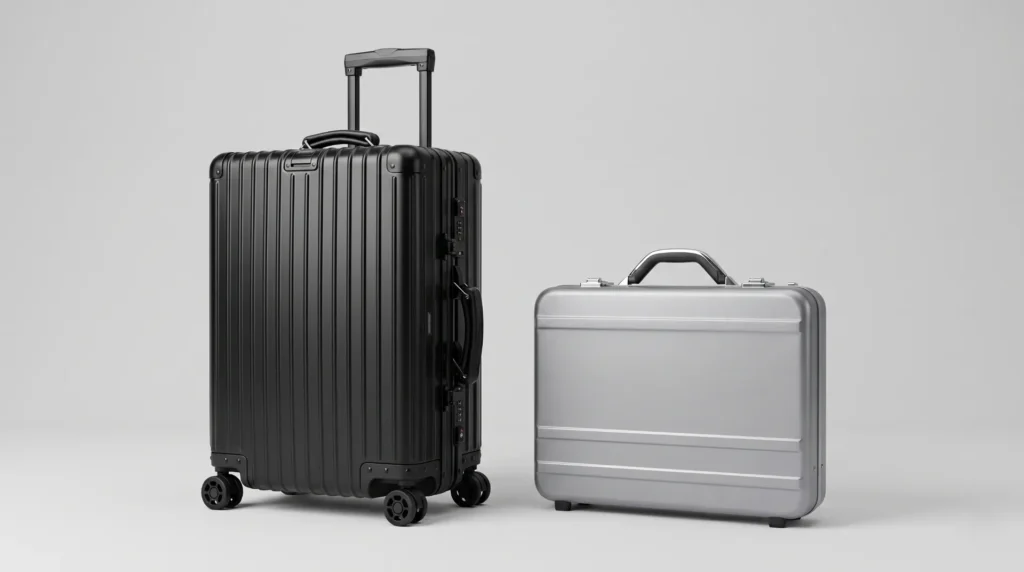
Flight cases lean more custom than most case categories, because the whole point is a fit to specific gear. Still, the leading manufacturers work from proven formats — standard rack heights, common transport-case footprints, established hardware sets — so you are rarely starting from zero. Pick a base format close to your gear, then customize the dimensions, the foam, the rack layout, the hardware, and the finish. That keeps tooling and sampling manageable even on a specialized case.
Match the build to the program and always sample first. With a flight case the sample test is physical and unforgiving: load it to weight, fit the actual gear, and put it through the handling it will really see — a drop, a stack, a roll over a threshold — before you commit a production run. A case that fails in your warehouse will fail on the road, and on high-value equipment the cost of one sample is trivial next to a damaged shipment. MOQ in this category varies more than in consumer lines, so confirm it early alongside sample cost and lead time. Because flight cases are specified to gear rather than to a season, a good manufacturer will ask about your equipment and your route before quoting — treat that as a sign of competence, not a delay.
Sourcing aluminum flight cases with Aluvox
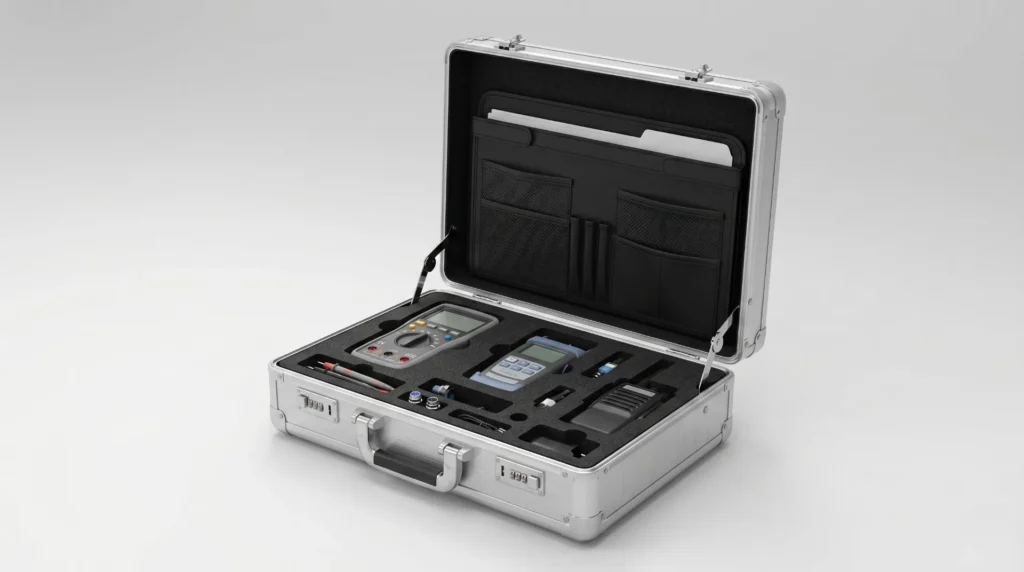
Aluvox is a full-metal aluminum case manufacturer, which places it squarely on the full-aluminum transport-and-equipment branch of the flight-case world. The factory builds aluminum-shell cases with reinforced corners, metal hardware, and fitted interiors, and as an OEM/ODM partner it builds to your drawing rather than reselling a catalog box — covering the carrying, tool, and instrument cases that sit alongside flight cases in the same aluminum case manufacturer program. Foam layout, dimensions, hardware, and logo are all specced to your equipment.
For equipment brands, rental houses, and distributors that means OEM and private-label aluminum transport cases built to your gear and your logistics, with samples available before a bulk run so you can confirm the fit, the hardware, and the protection first-hand. If your gear has to arrive ready to run, start with the spec — what you are shipping, how it travels, and the foam and hardware it needs — then bring your drawing and your volumes. For stage and AV rigs that specifically need a plywood-and-extrusion road case, say so up front, and the build can be matched to the use.
See the range and request a quote: Aluvox aluminum cases.