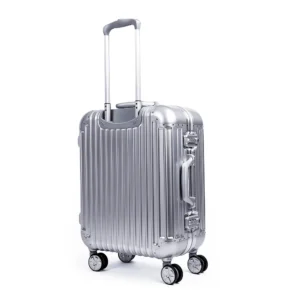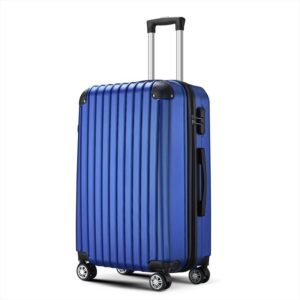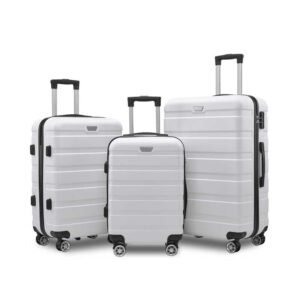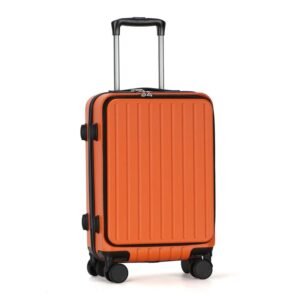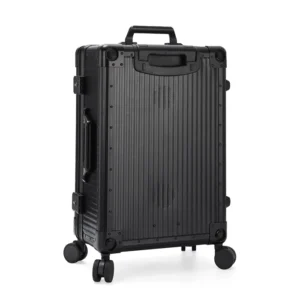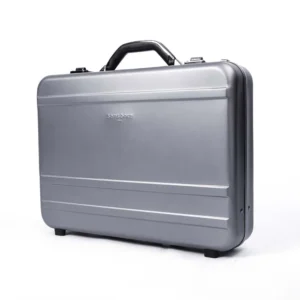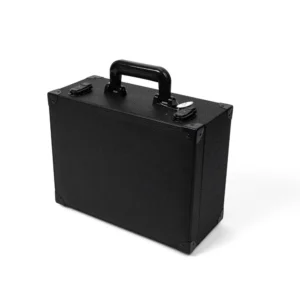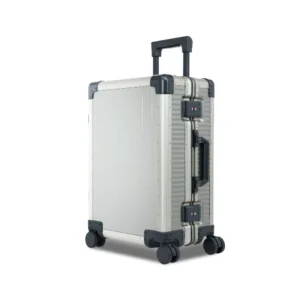

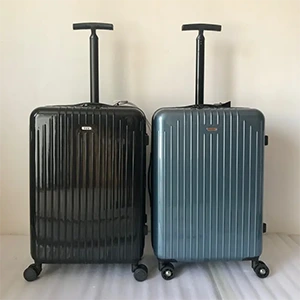
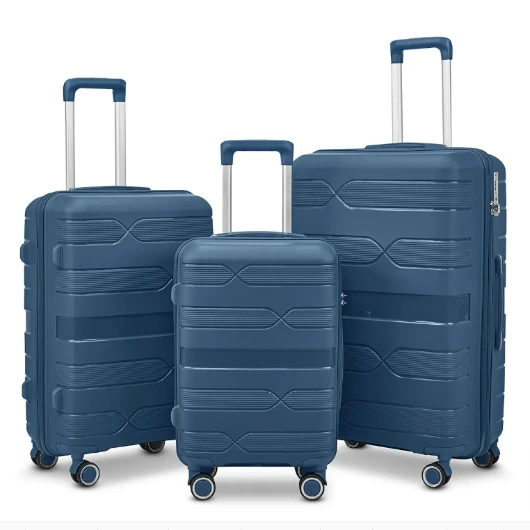
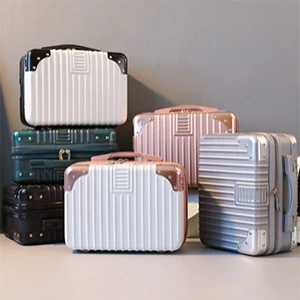
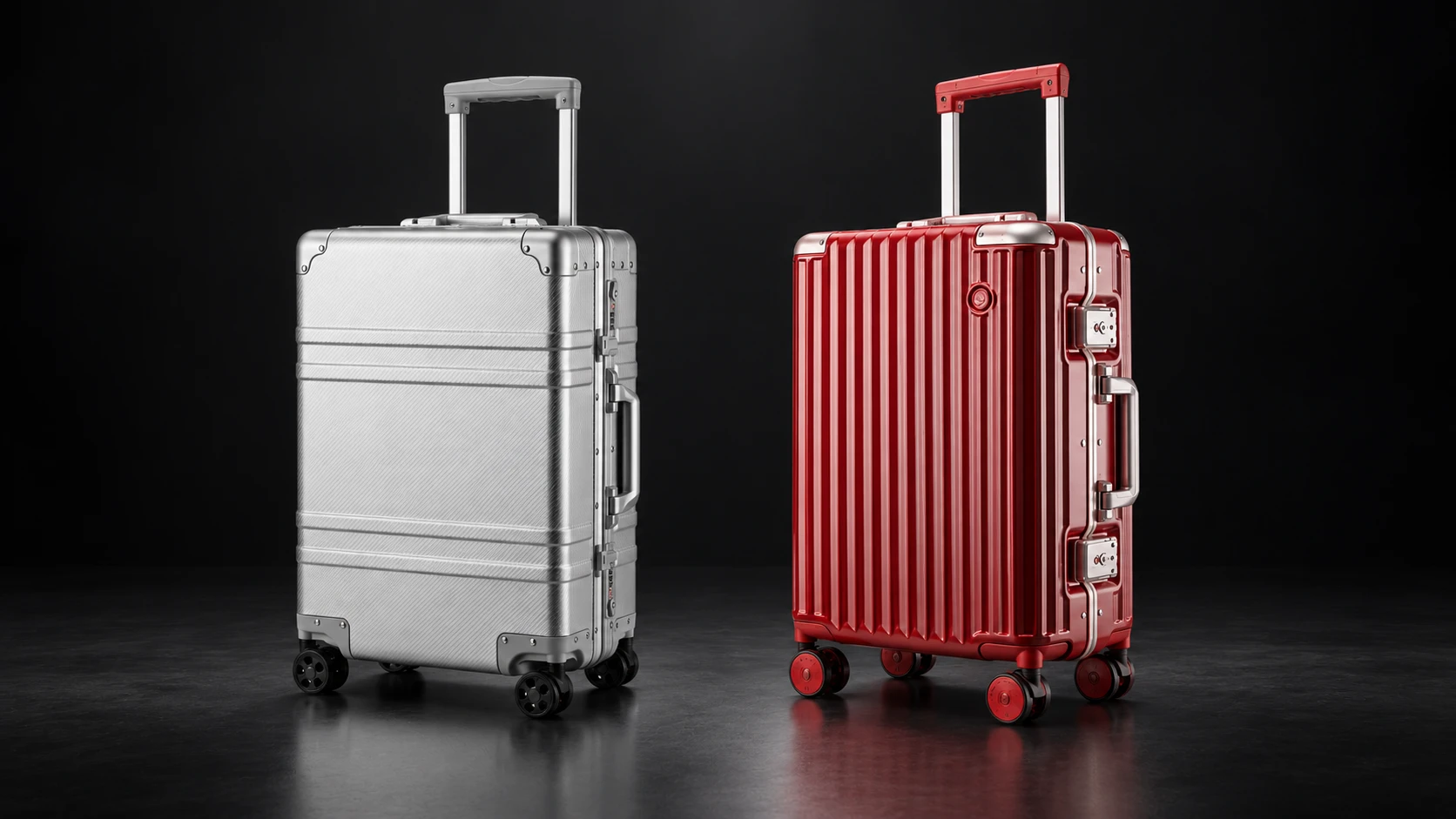
If you run a DTC luggage brand or source products for wholesale and distribution, a zipperless range gives you another choice of shell, frame, and closure. You can add an aluminum-frame PC model alongside an existing zippered PC collection, or introduce aluminum-shell luggage as a new product line. Both routes create a visible difference in the case design and the way it closes.
At Aluvox, we offer zipperless models with aluminum shells and with PC shells in aluminum frames. You can start with an existing model and customize the logo, discuss colors and components, or bring us a new case design. This guide explains how we can work with you on model selection, brand details, samples, and bulk orders.
In this guide
Add a Zipperless Model to Your Existing Range
If your current range is mainly differentiated by color and size, an aluminum frame and latches add a different case edge, hardware appearance, and opening mechanism. You can retain your brand identity, then use the shell and component choices to give the new range its own features.
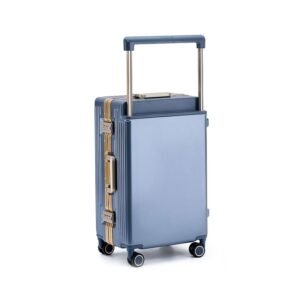
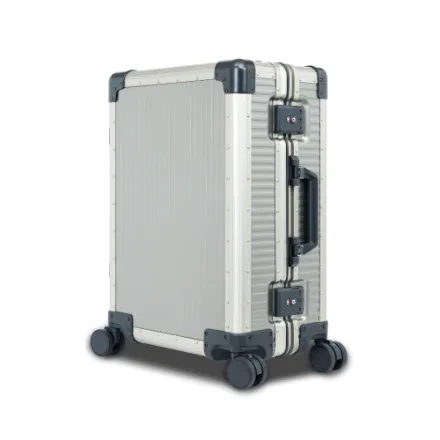
Add a frame-and-latch model to a PC collection. Our HQ-009 is one starting point. It combines a PC shell with an aluminum frame, aluminum corner guards, and latches, giving your PC range another closure option.
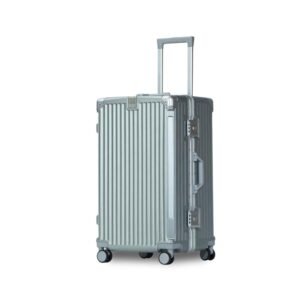
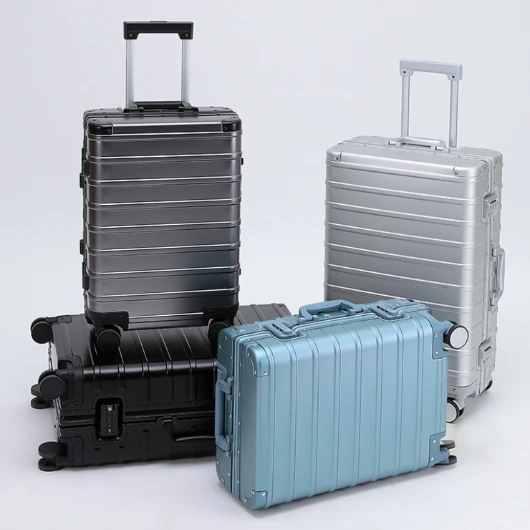
Introduce an aluminum-shell collection. A model such as TS-001 makes the metal shell a defining feature of the new range. From there, you can discuss branding, wheels, interiors, and packaging. Your catalog can distinguish this construction clearly from aluminum-frame PC luggage.
Add several sizes for wholesale or distribution. Plan your carry-on and checked-luggage assortment around the sizes available for each model. Put sizes, configurations, and quantities on one order breakdown so you can compare purchasing costs by variant. Available sizes and components depend on the model.
Choose Between Aluminum-Shell and Aluminum-Frame PC Luggage
Both constructions use a zipperless closure. The first distinction is the shell: aluminum-shell luggage uses aluminum alloy for the body, while aluminum-frame PC luggage has a polycarbonate body with metal parts at the frame and, on HQ-009, the corners. List the shell material separately from the closure construction in your specification, quotation, and catalog.
| Item | TS-001 Aluminum Luggage | HQ-009 Aluminum-Frame PC Luggage |
|---|---|---|
| Shell | Aluminum alloy | Polycarbonate (PC) |
| Closure | Aluminum frame and latches; zipperless main opening | Aluminum frame and latches; zipperless main opening; aluminum corner guards |
| Listed configuration | Spinner wheels, telescopic handle, TSA combination locks | Spinner wheels, telescopic handle, TSA combination locks |
| Range development | Introduce an aluminum-shell range with your branding and selected components | Add a frame-and-latch collection while retaining a PC shell |
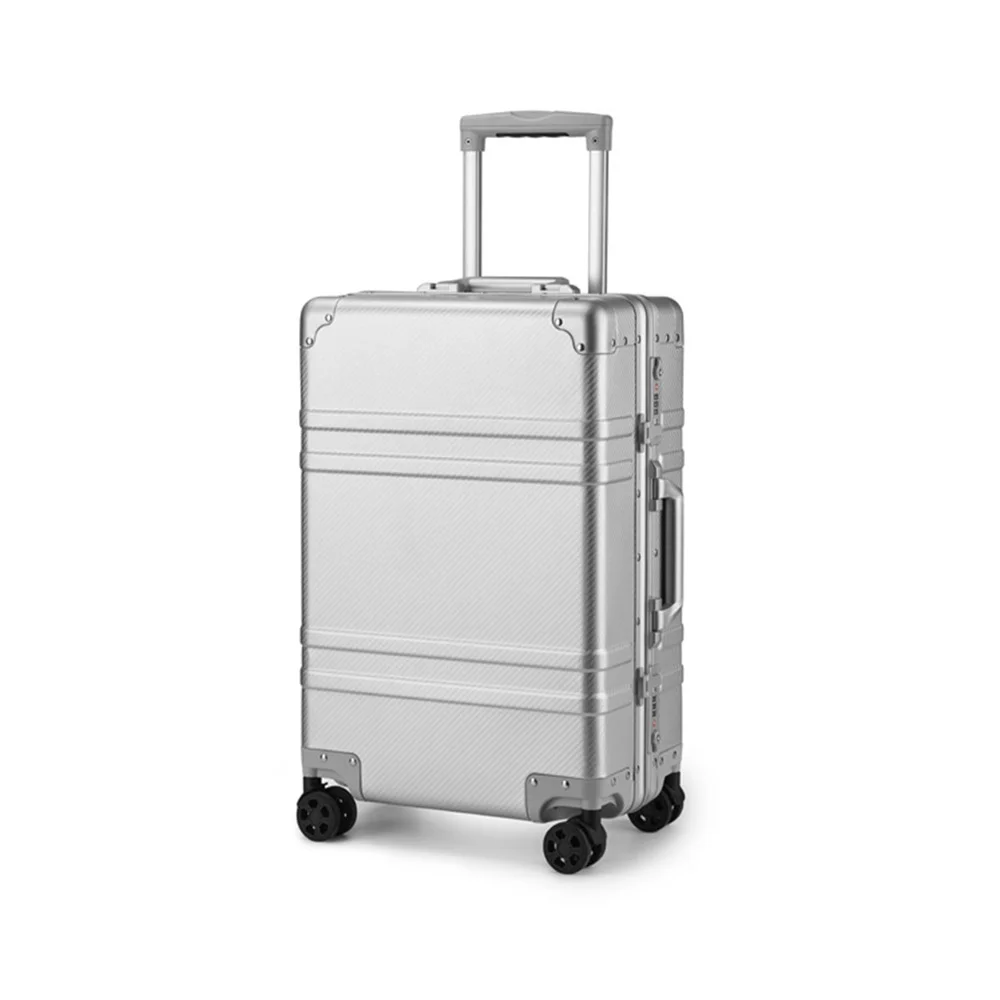
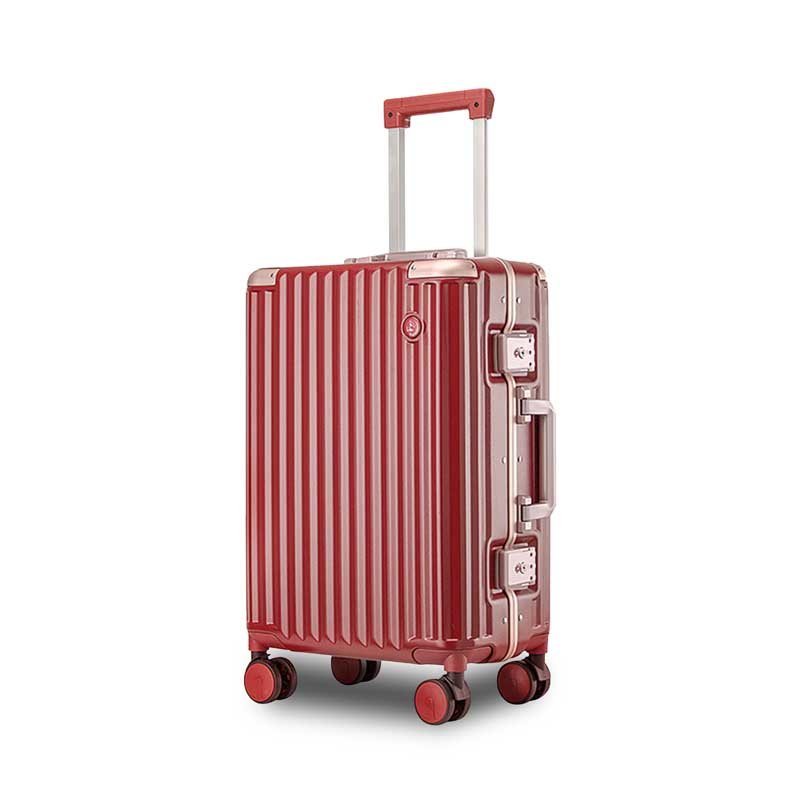
Start with the TS-001 and HQ-009 product pages, then send us your target sizes, quantities, and configuration changes. To compare price and weight, we need the actual size and complete specification you intend to order. Figures from different case sizes or configurations do not provide a like-for-like comparison.
Give the New Range Your Brand’s Features
For example, suppose you want to add a new model alongside an existing zippered PC collection. You could start with HQ-009’s PC shell, aluminum frame, and latches, retain your logo and design style, then select the exterior, wheel, and interior changes you want. The new case can remain recognizable as part of your brand while offering a different construction and configuration. Here is one way to approach that customization.
Coordinate the logo, colors, and hardware
Send us photographs of your current range, your brand colors, and the logo file. We can use these to discuss logo placement, size, and the application method for the selected surface. If you want to carry an existing color scheme into the new model, consider the shell, frame, latches, and logo together, then review the combination on the sample. Materials and finishes differ between components, so available colors and the final match need to be assessed for the model.
Select wheels, handles, and locks
If you want a particular wheel brand or model, send us that requirement. We can assess the proposed option against the mounting position, case size, and intended loaded weight. List which other components should stay as supplied and which should change, so the quotation reflects the scope of the modification. Our wheel selection guide for aluminum luggage explains wheel choices in more detail. Handle and lock changes also need to be assessed against their mounting arrangements.
Adapt the interior and packaging
The new model can carry over the interior style of your existing collection, with storage arranged for the intended range. For a business-travel model that separates a document pouch from clothing, provide the pouch’s approximate dimensions and preferred position. For a travel range with separate storage on each side, we can discuss dividers, mesh pockets, and straps. Prepare the model details, branding, and product instructions for the selected configuration as part of the packaging, ready for your listings and distribution.
What Changes When You Develop a Latch-Closure Case?
With an existing zipperless model, development can focus on the agreed branding and configuration changes. If you want to keep the outline of a zippered case but change it to an aluminum-frame latch closure, we need to discuss how the shell connects to the frame, how the locks mount, and how the hinges work with the assembly. The quotation needs to cover development and assembly for that complete closure.
Develop the frame, latches, and hinges together
An aluminum-frame latch case closes by bringing the two frame halves together and engaging the latches. If you want to change the lock model, we will assess its mounting and engagement positions on the selected case, identifying which existing parts can remain and which positions need adjustment. Whether the change involves machining or tooling depends on the model and mounting structure.
The sample goals are specific: the frame halves should meet properly, each latch should engage and release, and the lid should open normally on its hinges. Once the complete case is approved, the selected locks and mounting arrangement can be recorded in the final configuration. Your bulk order then has an approved sample combination to work from.
Fit interior changes to the available case space
If you want to add a divider or storage pocket to an existing case, we can start with the dimensions of the items it needs to hold and where you want them placed. The added structure takes up space, so the sample needs to meet the agreed storage requirements and close normally after trial packing. If it cannot do both, the pocket or divider size and position need adjustment. If more space is required, we can reassess the case model.
Raise any larger-capacity or expansion requirement during model selection. We can first assess other available case capacities; a new expansion structure would need its own development review. A nominal size such as “20-inch” does not establish usable space on its own. Compare exterior dimensions, shell shape, and the interior layout.
Which Customization Choices Affect the Quote?
To help you calculate DTC product costs or wholesale purchasing costs, we recommend listing the base model, requested changes, and delivery scope separately. Tell us which specifications you need to retain and your budget, then we can discuss the remaining options. Each price revision should show what changed.
| Project scope | What the quote should cover | What to approve on the sample |
|---|---|---|
| Existing model with a logo | Base case configuration, logo application, and required packaging | Logo position, size, and appearance |
| Existing body with configuration changes | Added or replacement wheels, locks, interior features, and other agreed changes | Component fit, operation, and the complete modified case |
| New body or closure construction | Development, samples, applicable tooling or machining costs, and the case unit price | Assembly fit, appearance, loading, and opening and closing |
| Delivery and after-sales preparation | Packaging, spare parts, agreed testing documents, and the scope of shipping | Each item against the order requirements |
For example, if the aluminum shell and a specified wheel set must stay, we can use those as the starting requirements and discuss interior and packaging options. If you want to develop a latch version of a zippered case, the cost also needs to cover the frame, latches, hinges, connecting parts, and associated work. It cannot be estimated simply by adding the price of two locks.
Approve a Sample That Can Guide Bulk Production
The sample turns your selected configuration into a case you can review. We recommend organizing feedback by model, dimensions, appearance, components, and function. Keep the approved items in place and mark the requested changes clearly, so the next review focuses on the remaining work.
| Approval item | What to review |
|---|---|
| Model and dimensions | Shell and frame materials, target exterior dimensions, and empty weight with the complete configuration |
| Closure | Frame fit, latch operation, and hinge movement, both empty and under the agreed loading conditions |
| Components and interior | Wheels and handle against the selected specification; storage and closure after interior changes |
| Brand details | Logo, colors, hardware combination, packaging, and product instructions |
| Project testing | Agreed loading conditions, tests, results, and required documents |
Durability assessment needs to consider the loaded case. If the project includes a drop evaluation, the review afterward should cover appearance, whether the frame still closes, latch operation, and whether the wheels and telescopic handle remain functional. We will discuss testing and documents for the project; a check of one component does not replace assessment of the complete case. Technical reference: loaded luggage and post-test inspection.
If the body and locks are already approved and only the interior changes, retain the earlier approval record and review trial packing and closure again after the modification. The approved sample, configuration, and change record should then form the reference for the order and acceptance checks.
Plan Quantities, Size Assortments, and Lead Times
Logo-only customization on existing models starts at 50 pieces. Our custom orders start at 300 pieces in total, with sizes and styles that can be combined. Allocate quantities around your DTC launch, wholesale assortment, or distributor requirements.
For a range that includes carry-on and checked sizes, list each variant by model, size, color, configuration, and quantity. Put the logo, appearance, and interior style you want to share across the range in the common requirements. List components that need assessment by size, such as wheels and telescopic handles, under each variant. This gives quotations, orders, and reorders a clear SKU reference, with a record of whether spare parts are shared.
Quantities and timing for a new body or closure structure need to be agreed against the development plan.
For our custom luggage projects, allow a reference sample-development period of 15–20 working days after the design scope is confirmed, with bulk production taking approximately 45 days after sample approval. Include additional time for new development, sample revisions, and shipping in the project schedule. Sample and courier charges depend on the model and requested customization.
If you have a launch, trade show, or distributor delivery date, include it in your inquiry. We can then work backward from the required arrival date through shipping, production, and sample approval.
Agree Spare Parts and After-Sales Support With the Order
Spare parts for brand and wholesale orders can be discussed alongside the case configuration. We will agree which wheels, locks, or handles are needed, their quantities and costs, and whether they ship with the bulk order or are ordered later. The parts list should identify the case model, size, component model, and mounting position so your team or distributors can recognize the correct part.
For a reorder, provide the original order reference or SKU and state which specifications should stay and which should change. If a wheel set or lock model changes, we recommend recording it against the new order and keeping the spare parts for the old and new batches identifiable. Your distributors can then use the case model and batch to find the applicable part.
You manage after-sales service through your channels, and we support parts supply and issue handling as agreed in the order. A damaged, replaceable component may be suitable for replacement. Damage to the frame, latch engagement point, or a connection needs a separate assessment using photographs and details of how the case opens and closes. Discuss parts supply and structural repair separately to define the scope of support.
Send Aluvox Your Requirements to Start Model Selection and Quoting
You can start with an existing model or bring a reference design for a new range. Include the following in your inquiry:
- The product you want to add: aluminum-shell luggage, aluminum-frame PC luggage, or a new design, with a reference model or image.
- Your brand and channel: DTC, wholesale, or distribution, target market, and intended use of the range.
- Specifications and quantities: target sizes, weight requirements, and quantities by model and size.
- Customization: which logo, color, wheel, lock, interior, and packaging details should stay or change.
- Purchasing requirements: budget, destination, required arrival date, spare parts, and testing documents.
Planning to add zipperless luggage to your brand or wholesale catalog? Send Aluvox your existing range and the features you want to add. We can discuss a starting model in aluminum or aluminum-frame PC, then work through customization, a quotation, and samples.