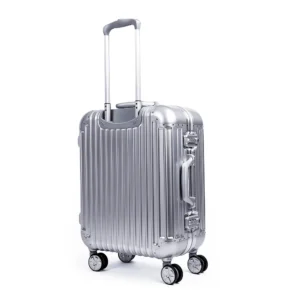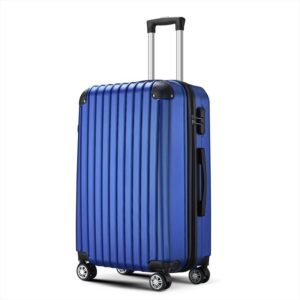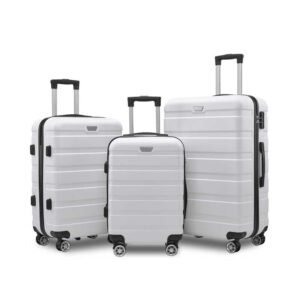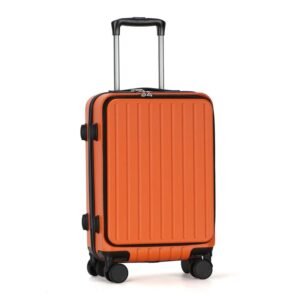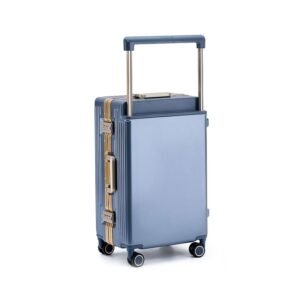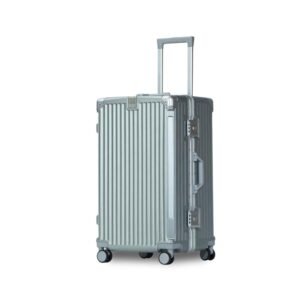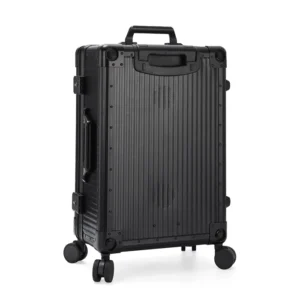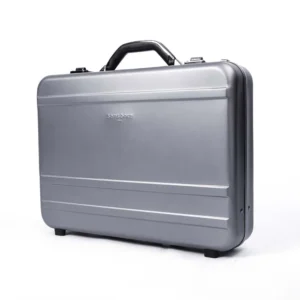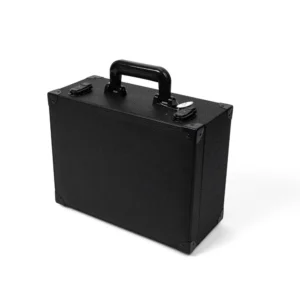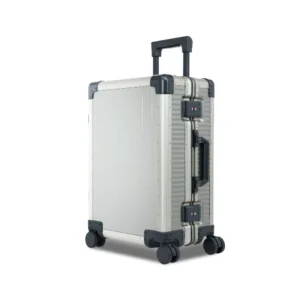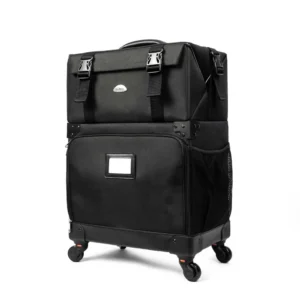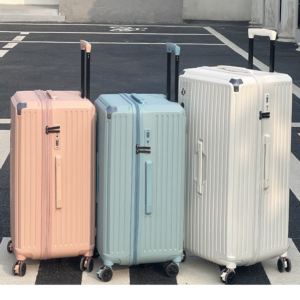

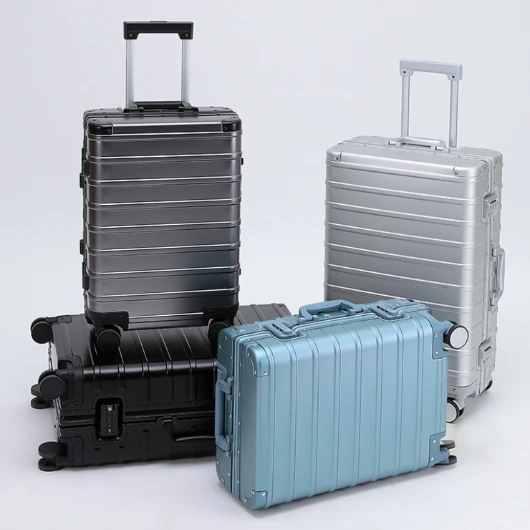
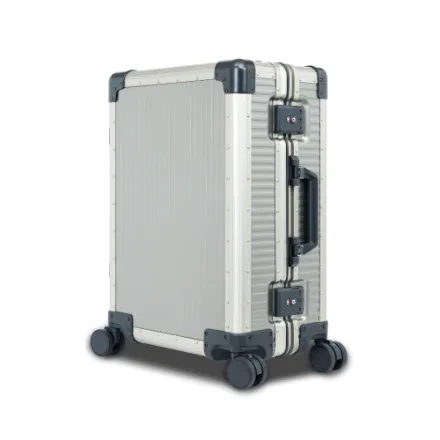
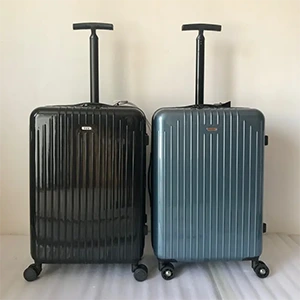
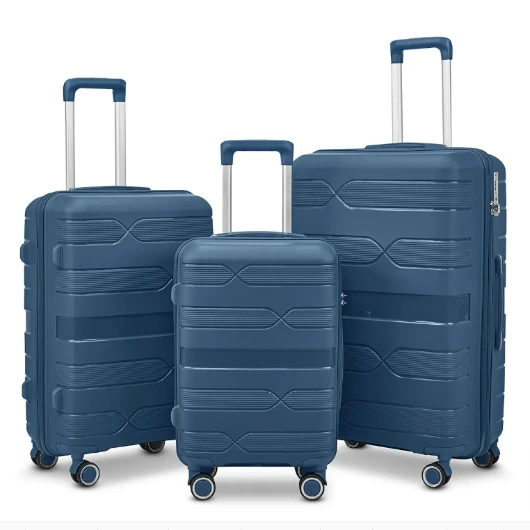
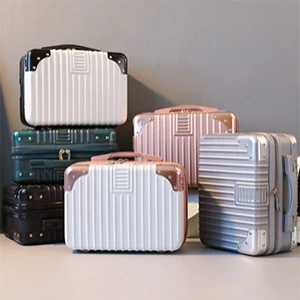
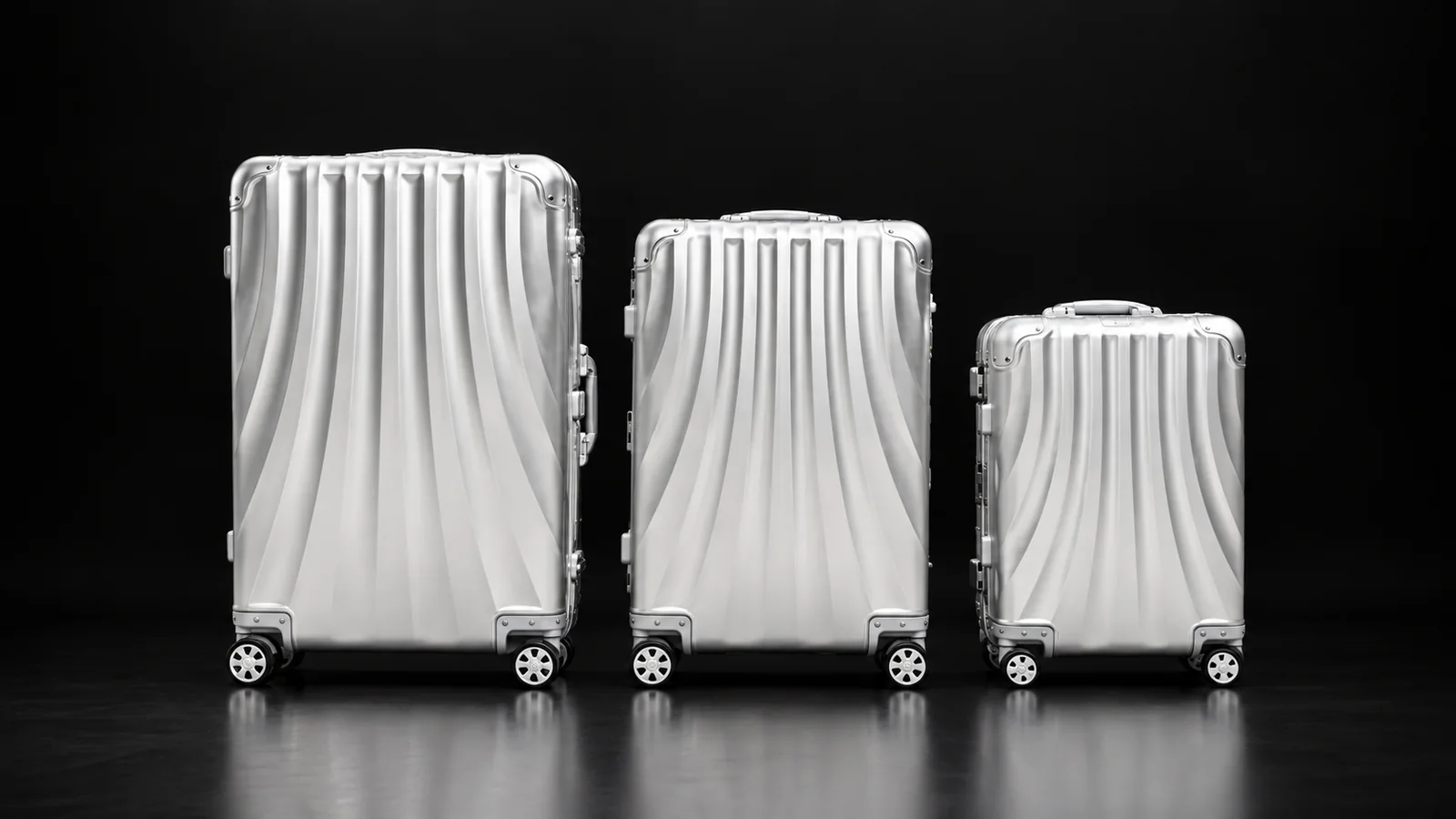
If your brand already sells individual aluminum suitcases, adding a larger case from the same family can create a two-piece set. If you want distributors to offer small, medium and large options, a three-piece collection may be a better starting point.
Our TS-006 is available in 20-, 24- and 28-inch sizes. We can use two of those sizes to discuss a paired offer, or work through a three-piece proposal. Colors, wheels, locks, interiors and packaging follow from the product line you want to build.
First, we need to understand how you plan to sell it: as a fixed set, or with each size also available separately. That decision affects quantities, packing and replenishment.
1. Should your product line offer two or three pieces?
A two-piece set suits a brand that wants a defined pairing without introducing every size at once. A three-piece set gives a retailer or distributor a fuller small, medium and large range.
The TS-006 size range provides these starting points:
| Combination | Product-line role | Decision to make |
|---|---|---|
| 20 + 24 inches | A small and medium case for different packing needs. | Will your range also need a larger checked case? |
| 20 + 28 inches | A small and large pairing with a wider size gap. | Does leaving out the middle size suit your offer? |
| 20 + 24 + 28 inches | Three sizes for set sales, individual sales, or both. | How will you sell, pack and replenish each size? |
These are proposed combinations, not mandatory packages.
If your DTC store already focuses on smaller cases, a larger matching option gives existing customers a way to extend their collection. For a distributor range, three sizes allow dealers to choose between individual sales and complete sets according to their market.
More pieces do not automatically make a better product line. If sales are concentrated in two sizes, a focused two-piece offer may be more useful than adding a size without a clear role. Where you have sales history, we recommend using it to plan quantities rather than ordering equal numbers of every size by default.
2. Define the models and dimensions in each set
A set name tells only part of the story. “Three-piece” could mean three suitcases, or two suitcases and a matching bag. The quotation, product listing and packing list should describe the same contents.
This guide focuses on sets of aluminum suitcases. Our TS-006 aluminum suitcase lists 20-, 24- and 28-inch options, so we can discuss a coordinated range around one model. Those inch labels still do not replace finished-product measurements.
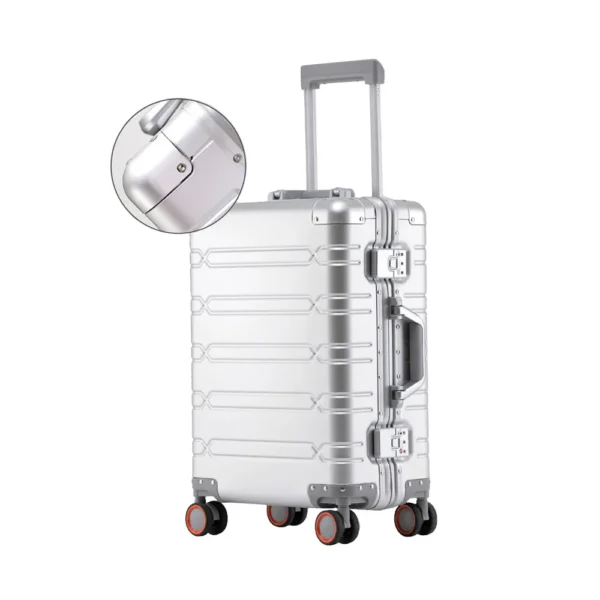
Prepare the following information separately for each size:
- Overall dimensions, including wheels, handles and other protruding parts.
- Empty weight, with the included accessories identified.
- Interior layout and capacity information.
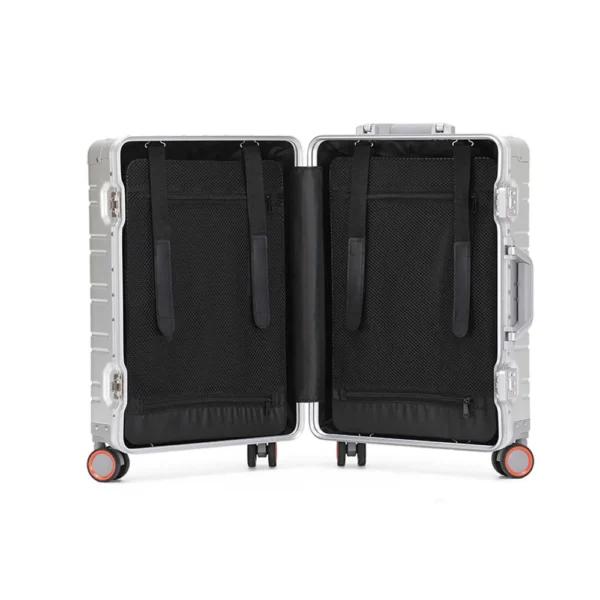
- The specified color, locks, wheel units and telescopic handle.
If the smaller case will be marketed for cabin use, compare its overall dimensions with the requirements of the airlines your customers use. A “20-inch” label alone does not establish acceptance on every flight.
This also improves the way you present the range. Buyers should see three products with clear dimensions, uses and configurations, rather than one case photograph repeated beside three size labels.
3. Coordinate colors, shells and components
A set can use one color throughout or a deliberate mix of colors. What matters is whether the delivered products match the collection you have designed.
For a matching-color set, we recommend comparing the different sizes side by side. Look beyond shell color to the surface finish, frame, corner guards, latches and handles. Three separate product photographs make it harder to judge how the finished pieces look together.
For a mixed-color collection, assign a color to each size in the set specification. The darker and lighter pieces should be part of the planned combination, not a choice left until production.
Logo placement also needs a size-by-size review. Shell area, grooves and hardware positions differ, so an identical logo size may not have the same visual proportion on every case. Start with a consistent position and presentation, then review the result on each size.
A coordinated appearance does not require every size to use an identical component. Smaller and larger cases may have different intended loads, mounting locations and structures. Shared wheel units can be considered where they fit the installation and use requirements. If different units are selected, record which one belongs on each size.
If a particular wheel unit will be a selling point for the whole collection, establish its configuration on all three sizes. If only the smaller case uses that unit, say so in the quotation and product description.
For example, cases can share colors, logos and hardware styling while using wheels selected for each size. Customers should be able to see what each suitcase includes; an upgrade on one case should not be presented as standard across the set. Our suitcase wheel guide covers wheel selection in more detail.
Interiors can also vary by size. You may want matching lining colors and branding, with dividers, mesh pockets and straps arranged for the space in each case. This keeps the collection coordinated while giving each size a useful role.
4. Pack for complete-set sales or individual sales
Selling luggage as a set does not necessarily mean shipping every piece in one carton. Choose the packing arrangement around what your warehouse will do after receiving the goods.
For fixed-set sales, labels should identify the sizes, colors and accessories in the complete set. A missing size or incorrect color affects the customer’s whole order.
For both set and individual sales, each case also needs clear identification and a plan for separate shipment. If only the largest carton carries the full label, a smaller case removed from the set may need new labels and packaging before your warehouse can dispatch it.
If you want nested packing, with smaller cases inside larger ones, we can work through a trial-packing proposal using the selected cases, interiors and protective materials.
Check whether the smaller case fits, whether its wheels or corners press against the lining, whether the larger case closes normally with protection in place, and whether the smaller case can be removed easily.
If a divider must be removed to make room, decide whether that arrangement suits your operation, who will reinstall it, and what work is needed before a case can be sold separately. If the handling does not suit your warehouse, discuss separate packing or another interior arrangement.
Once the packaging sample is approved, record carton dimensions, gross weight and the contents of each carton for the freight quotation. That lets you compare finished packing proposals rather than estimate shipping from suitcase size labels alone.
5. How many sets can a 300-piece order make?
Our regular order discussion starts at 300 individual cases in total, with sizes and styles combinable. A three-piece set does not mean ordering 300 cases in each of three sizes.
ORDER QUANTITY EXAMPLES
150 × 20-inch cases
150 × 28-inch cases
300 individual cases
100 × 20-inch cases
100 × 24-inch cases
100 × 28-inch cases
300 individual cases
Illustrative quantity calculations, not a record of a customer order.
Quantities need not be equal if you also sell individual cases. For example, 150 small, 100 medium and 50 large cases total 300. Allocating 50 complete three-piece sets leaves 100 small and 50 medium cases available for individual sales.
These are quantity examples. Colors, components and special customization requirements need to be agreed with the product proposal. Logo projects on existing models can start at 50 pieces; new structures and special development are assessed separately. See our custom luggage MOQ guide for the distinction between project types.
A set quotation should show the price of each size, the contents of each set and the packaging charges. For example, if one three-piece proposal uses separate cartons and another uses an approved nested arrangement, each quote should identify the packing it includes.
Keeping prices by size also helps if you later replenish only one size. Use “pieces” for individual cases and “sets” for the sales combination. SKU codes depend on your sizes, colors and selling arrangements; they are not a count of the physical cases ordered.
6. Review samples as a complete set
One small-case sample cannot stand in for the whole set. We recommend reviewing the proposed combination together, covering appearance, use and packing.
For appearance, compare colors, finishes, logo proportions and hardware with the sizes standing side by side. For a mixed-color collection, use the planned combination rather than approving each color in isolation.
For use, check each case in its specified configuration. Operating the handle and accessing the interior of the smaller case is a different task from rolling and lifting a packed larger case. Smooth operation on one sample does not approve the other sizes.
For packing, assemble a set as it will be delivered. Check the accessories in every case, the size and color labels, the correct lock instructions and the completeness of the packed combination. If individual sales are planned, remove one case and check that it has what it needs for separate delivery.
| Item | What to record |
|---|---|
| Set contents | Model, sizes, colors and quantity of each item per set. |
| Appearance | Color reference, surface finish, logo location and size. |
| Components | Wheels, locks, telescopic handle and interior for each size. |
| Packing | Separate or nested arrangement, protection, labels and accessories. |
| Revisions | The size and part to change, and how the revised result will be approved. |
Performance testing, sampling arrangements and documentation are discussed for the project. This set-level review focuses on approving the product combination that will actually be delivered.
7. Keep reorders consistent with the original collection
Plan for the possibility that you will replenish only one size.
If your brand sells both individual cases and sets, one size may sell out first. Its replacement order needs to match the original model and configuration. Keep the color reference, hardware finish, logo files, interior details and component versions for each size from the first order.
For example, “the same silver as last time” is not a sufficiently specific brief for replenishing the medium case. Referring to the original order, model, color reference and configuration allows us to work through what stays the same and what needs to change.
If you plan to change wheels, locks or interiors, identify the sizes receiving the new configuration and discuss continued support for the earlier products. The collection name alone should not be the only way to identify different versions.
Spare parts can be agreed when you place the order. The list should identify the relevant model and part, applicable sizes, left/right or installation differences, and quantities supplied with the order. Your brand or distributor then has a clear reference when arranging after-sales support.
Send us your model and set combination
Start by choosing a model from our aluminum luggage collection, then send these five details:
| Detail | What to send |
|---|---|
| Preferred model | TS-006, or a link to the product you have in mind. |
| Sizes in the set | For example, 20 + 28 inches, or 20 + 24 + 28 inches. |
| Quantity by size | List each quantity and state whether it means individual cases or sets. |
| Color combination | One color throughout, or the color assigned to each size. |
| Selling arrangement | Fixed sets only, or both sets and individual cases. |
Include any logo, interior or packaging requirements you already have. We can use these details to discuss configurations, packing and pricing, then work through the remaining choices around the product line you want to add. Discuss your aluminum luggage set with Aluvox.