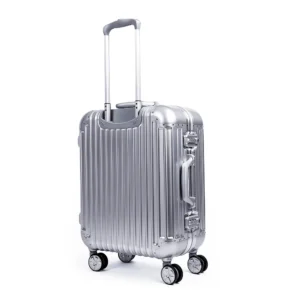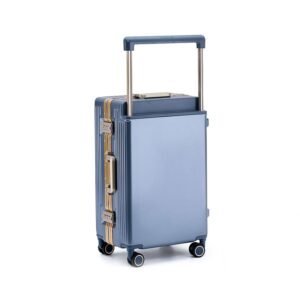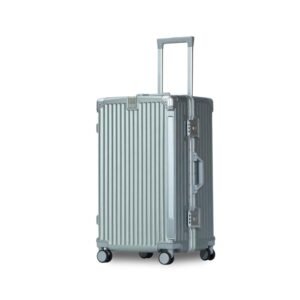
A useful luggage factory audit starts with your product and order. Before an aluminum-luggage audit, send the reference model, planned sizes, quantity and customization requirements. Ask the supplier to explain the production route, which operations are done on site, which are outsourced, and how the finished case is checked against the approved sample.
Finished-product photos help you judge the design. Process demonstrations and records help you assess the supplier’s ability to make it. Use the following eight stops to organize an on-site visit or video audit.
What a video audit shows, and what it cannot
A video audit can show production areas, equipment, work in progress, assembly and inspection records. It also gives the purchasing team an opportunity to discuss its requirements with the people responsible for the work.
It is still a view of what is available at that time. One walkthrough cannot establish the consistency of a future batch or replace checks on outsourced work, material sourcing and delivery arrangements. Send the priority questions and requested areas or documents beforehand. Record anything that cannot be shown or confirmed for follow-up.
To assess the actual quality of a completed order, arrange a separate luggage pre-shipment inspection where appropriate. A factory audit and an order inspection answer different questions and can be used together.
Eight things to ask the camera to point at
1. The processing areas relevant to your case
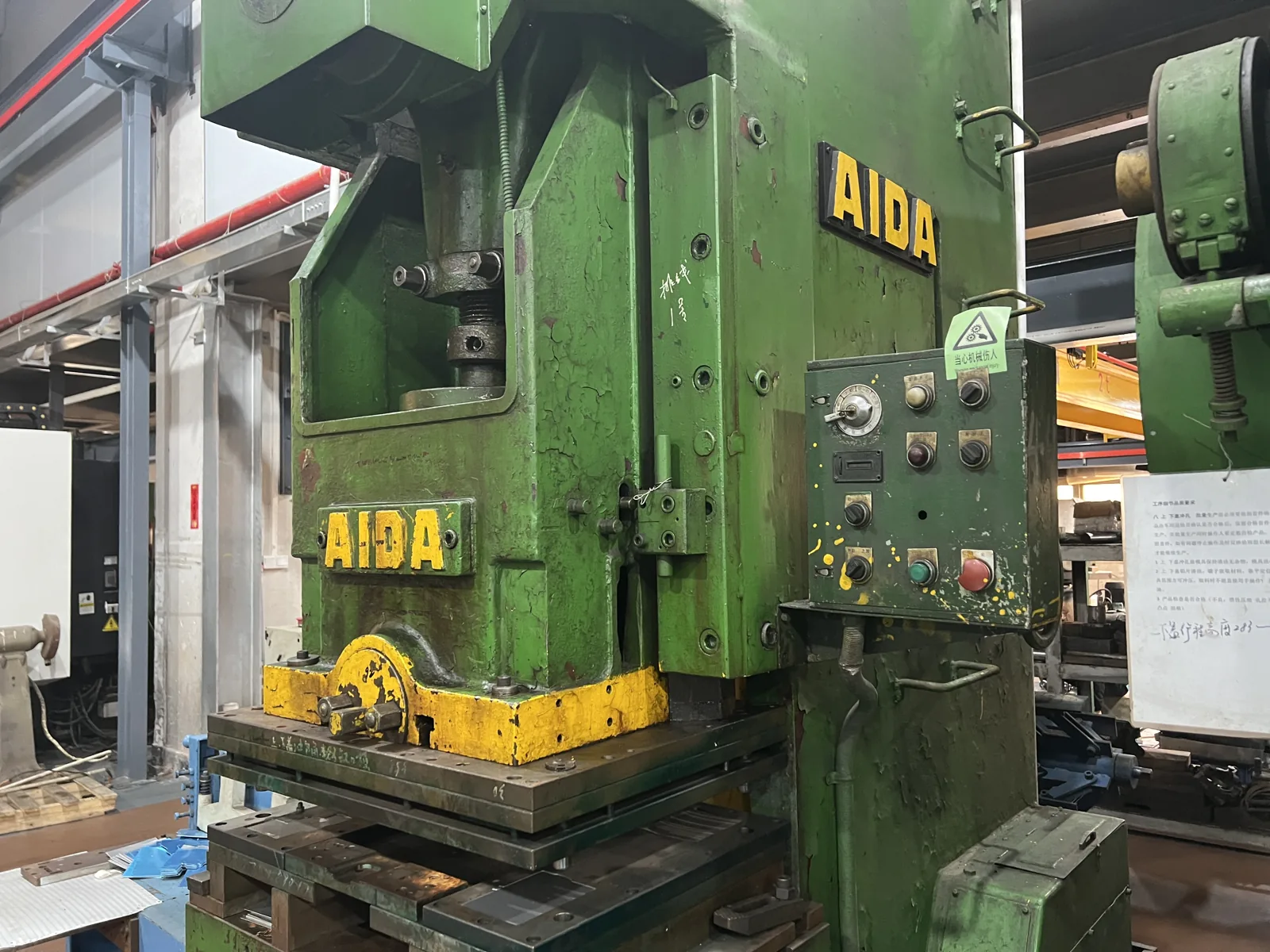
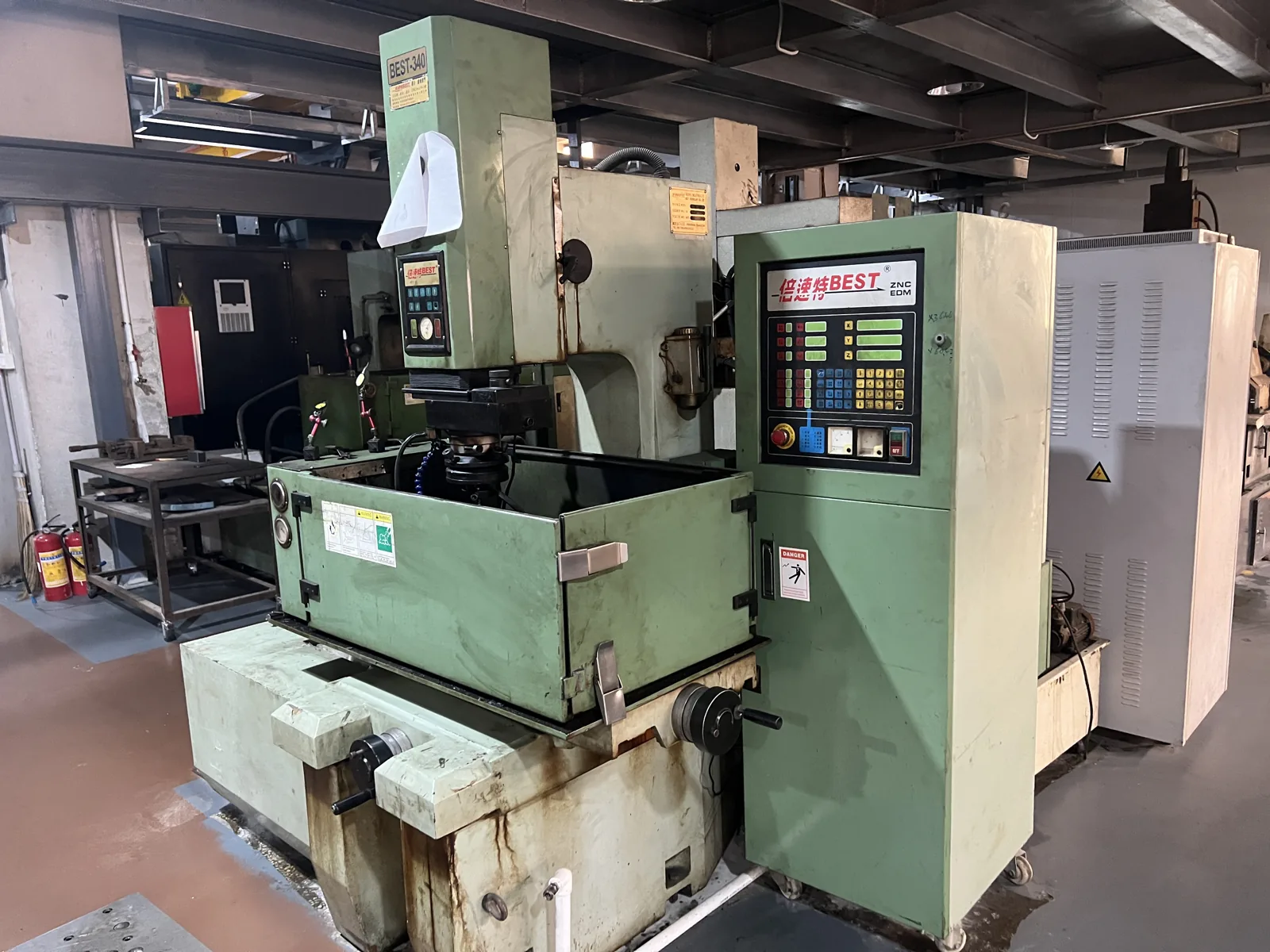
Ask to see the areas used for the proposed model and have the supplier explain the operation being shown. Establish what each machine does for the product, who operates it, and how the processed part is checked.
Use one proposed part to connect the explanation: drawing or sample, operation, inspection point, then the next stage. For example, a shell-forming demonstration is more useful when the supplier can also explain how the formed shell is checked before assembly. A machine tour with no connection to the quoted model leaves the capability question open.
Outsourcing is a production arrangement to evaluate. Ask who controls the part specification, what the subcontractor supplies and who checks it on return. The purchasing concern is an unmanaged handover, not simply whether every operation happens in one building. Request the inspection or release record at that handover.
2. Mold, die and fixture storage
Establish whether the case uses existing tooling or requires modifications or new molds, dies, fixtures or other tools. Ask how tools are identified, stored and connected to a model and drawing revision.
Connect one tool identifier to the proposed model and current drawing revision. A tool can be physically present yet correspond to a different size or an earlier component position. If the drawing changes, ask how the tool or fixture is updated and how the first resulting part is approved.
For a proprietary design, put ownership, permitted use, storage and change approval into the project agreement. A sample approval does not settle those commercial rights. Other customers’ identities and designs can be redacted; the useful evidence is the identification and revision process, not their confidential files.
3. The shell and frame process
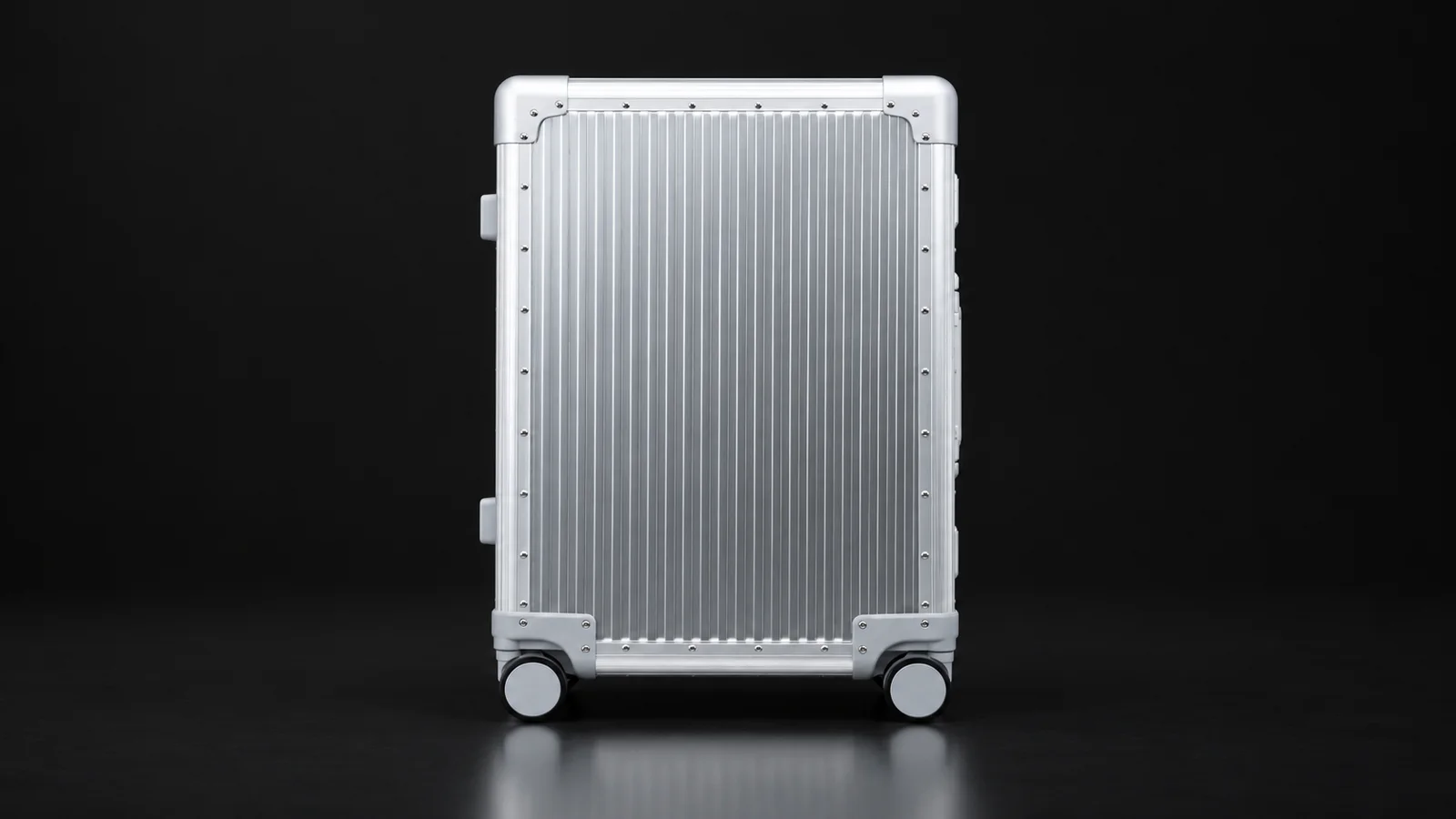
First clarify the construction: is it a full-aluminum shell, or a shell made from another material with an aluminum frame? Have the supplier explain the processing and assembly route for the actual model, including where dimensions, appearance and fit are checked.
On the sample, open and close the case and look at the mating edges, frame alignment and surface around the hardware. If closure requires pressure in one area, ask which dimensions or assembly settings control that fit. A finish defect and a closure problem require different follow-up; record their locations separately.
Ask for the model’s material specification and relevant incoming check, rather than trying to establish alloy or thickness from a video. Agree on an appearance reference and viewing conditions for the finish. The buyer then has two useful records: what the material is specified to be and what the approved appearance looks like.
4. Lock, hinge and corner-guard mounting
Ask to see how the locks, hinges and corner guards connect to the shell or frame. If the brief calls for a different lock, hinge position or corner component, ask what that change affects: the component, mounting holes, fixture, tooling or case structure.
Ask for a comparison of the existing and proposed component: outline, fixing pattern, installation depth and relationship to the closing frame. If those interfaces match, the change may stay at component level. A different footprint or fixing position can affect holes, fixtures or structure. The drawing comparison should identify the affected parts before the quotation assigns tooling work.
Operate both locks on a model fitted with two locks, and check the hinges and corner-guard attachment on the actual sample. If a lock works only when the shell is pushed into position, include closure alignment in the investigation instead of assuming the lock itself is defective. These are buyer checks for the selected configuration; the hardware fitted to each model should be recorded.
5. Inspection stations and actual records
Review checks at incoming-material, processing, assembly and finished-product stages. Ask who performs them and how problems are handled.
A blank form shows what can be recorded; a completed record shows what was checked. Look for the model or lot, date, inspection requirement, result and reviewer. For a numerical measurement, the value is more informative than a tick. For an appearance check, connect the decision to the approved reference.
Request one redacted example of a nonconforming finding and its follow-up: what was isolated, what changed and what was rechecked before release. This is a practical way to examine how the system handles a problem, instead of only reviewing successful results.
Separate routine checks, sampling, periodic tests and customer-requested tests in the plan. A periodic report may support the tested configuration, but it is not evidence that the current lot was inspected. Record which checks apply to this order and who retains the results. Our luggage testing guide covers the broader test discussion.
6. Hardware sourcing and traceability
Ask about the source, model and incoming checks for key components such as wheels, trolley handles and locks. Procurement records should identify the component approved for the sample, beyond descriptions such as “silent wheels” or “premium handle.”
Compare the component record with the approved sample and the item being installed. Two wheels from the same supplier can have different dimensions, tread or bearings. Keep the exact model or internal part identifier and revision, with photos where needed.
For a proposed substitute, request the changed specification and its effect on fit, function, appearance and service parts. Agree on buyer approval before substitution, plus any sample or test review needed. This avoids accepting “same supplier” or “equivalent quality” as a substitute for identifying what changed.
7. Assembly, finished goods and packing
Follow the assembly of the shell, lining, wheels, handle and locks, then see how the finished case moves into packing. Check how model, size, color, hardware, identification and packaging requirements are connected to the order.
Choose one finished sample and follow its identification into the packing specification. Check which accessories and protective materials are included, how size/color variants are distinguished and whether the carton label matches the contents. For a mixed-size order, the packing list should allow the buyer to reconcile the variant quantities without opening every carton.
A useful demonstration connects sample, order configuration and carton label. Other customers’ brands and order information can be redacted. If packing protection remains undecided, record that as an open specification item rather than treating a generic carton on the line as the approved solution.
8. The unresolved part of your project
Return to the original question list before the audit ends. A lock’s compatibility, a finish requiring another sample, or checks on an outsourced part may matter more to the purchase decision than another production-area tour.
For an item that cannot be confirmed immediately, agree on the evidence needed, the person responsible and the response date.
Turn the walkthrough into an audit record
Record what the evidence establishes and what decision remains. The examples below are suggested buyer follow-ups, not findings about a particular supplier or a mandatory audit scoring system.
| Audit area | Useful evidence | What it helps establish | Example requiring follow-up |
|---|---|---|---|
| Processing scope | One proposed part followed through the relevant operation and check. | How the quoted construction connects to production. | Machines are shown, but the supplier cannot connect them to the model. Request a focused demonstration. |
| Tooling | Tool identifier matched to model and drawing revision. | Which version will produce the part. | Drawing and tool revisions differ. Resolve the intended version before sampling. |
| Shell and frame | Material specification, sample and closure demonstration. | Specified construction and actual fit/appearance. | Closure binds or material information is missing. Review the affected specification and sample. |
| Key components | Part identifier and proposed substitute compared with the approved sample. | What is installed and what a change would affect. | Only a generic description is available. Identify the component before approval. |
| Quality control | Completed record plus one issue and recheck example. | How results and nonconforming items are handled. | Only blank forms or untraceable results are shown. Request completed, identifiable evidence. |
| Packing | Finished sample connected to packing instructions and carton label. | How configuration and quantities will be identified. | Label and contents do not match. Correct the identification and recheck the affected packing. |
Give each follow-up an owner, due date and closure requirement. Use “observed,” “document received,” “information pending” and “verification required” rather than a single pass box. A promised document remains pending until reviewed; a corrected sample should be checked against the requirement that prompted the change.
Additional details to check on an aluminum-luggage project
Keep a model-specific approval sheet with the sample. The following fields connect the audit to a purchase specification:
- Shell and construction: actual shell material, material specification and whether the aluminum is the shell, frame or both. A metallic appearance is not a material specification.
- Finish: approved color/finish reference and agreed treatment of visible variation. Photograph the reference under consistent viewing conditions.
- Closure and hardware: frame fit, lock and hinge identifiers, mounting positions and operation on the complete case.
- Wheels and trolley handle: component identifiers, mounting and intended loaded use. Refer to the wheel selection guide for configuration details.
- Finished weight: measured empty-case weight and exactly what was included, such as lining and supplied accessories. Packaging weight should be recorded separately.
- Packing: protection, accessory list, variant identification and carton labeling.
A larger case or a changed component may need a separate approval entry even when it shares the same appearance. For the construction decision itself, use the existing full-aluminum versus aluminum-frame guide; this audit article focuses on how to verify the chosen construction.
What to do after the factory audit
Sort open items by the decision they affect. This is a proposed purchasing workflow, not a certification threshold:
- Before sample approval: settle construction, material, key component identity and unresolved fit or functional problems. Otherwise the sample does not represent a clear production specification.
- Before production release: settle drawing/component revisions, substitution approval, order inspection scope and packing instructions.
- During routine follow-up: close administrative or record-completeness issues that do not change the agreed product, while retaining an owner and date.
For example, an unanswered alloy specification and a missing copy of an already-reviewed packing instruction are different kinds of open item. The first leaves the product definition incomplete; the second needs document follow-up. Do not give both the same status just because each is marked “pending.”
For every item, define the evidence that will close it: a corrected drawing, identified component, revised sample or completed inspection record. A factory audit assesses capability; sample approval and order inspection then check that the agreed configuration is carried into the actual order.
Frequently asked questions
Can I request real photos or videos of aluminum luggage?
Request views that answer the purchasing question: the complete case, interior, closure, wheel/handle mounting and the relevant production stage. For video, ask to see the case opened, closed and moved, with close-ups of the area under review. Include a model identifier so the images connect to the quotation. Process footage helps review capability; a finished sample remains the reference for appearance and operation.
Can you customize from drawings and specifications?
Send external dimensions, shell/frame construction, finish, closure and hardware requirements. Mark which features are fixed and which may use an existing component. The response should separate existing-tool production, component substitutions, tool modifications and new development. This lets the buyer see what can carry over and what must be approved before sampling, rather than receiving one undifferentiated “customization” quote.
What is the minimum order quantity?
Aluvox’s current MOQ is 300 pieces for the total order, with sizes and styles combined. It is not 300 pieces for every size. Submit a breakdown by model and size alongside finish, hardware and packing requirements, so the quotation and approved samples identify what the total covers. The quantity alone does not define the component or customization scope.
How long do sampling and production take?
Sample development takes 15–20 working days after design confirmation. Bulk production takes 45 days after sample approval. Shipping is arranged separately. Confirm a separate development plan for new tooling or additional development work.
Does the factory audit include every test report?
An audit record, product test report and order inspection report answer different questions. The audit examines production capability and controls; a product test report records the tested model and method; an order inspection report records checks on a particular lot. Request the evidence needed for your decision, identifying model/lot coverage, method, date and results. The testing service and documents supplied by Aluvox are agreed for the project.
If you are evaluating an aluminum-luggage project, send Aluvox the reference design, sizes, planned quantity and production areas you want to review. We can discuss the product requirements and plan the audit and sample review around your questions. See our private label luggage page for the project overview.