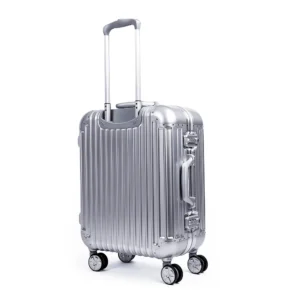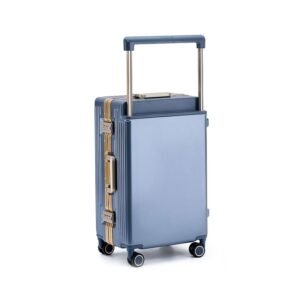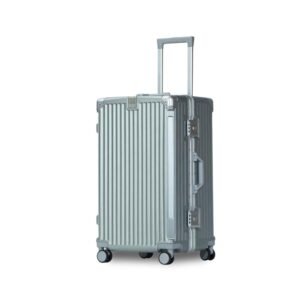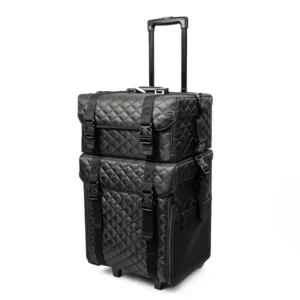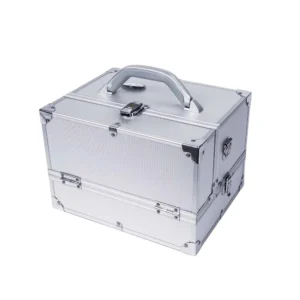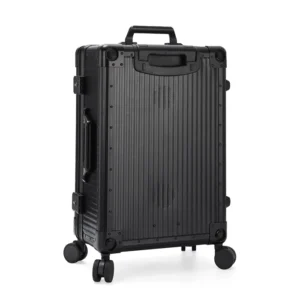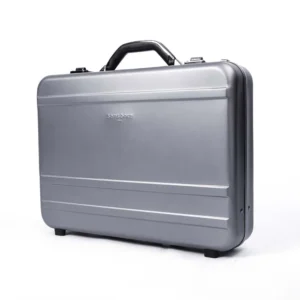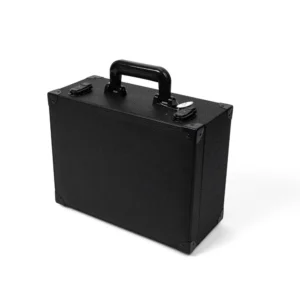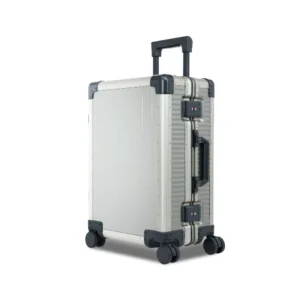

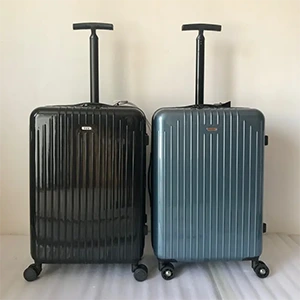
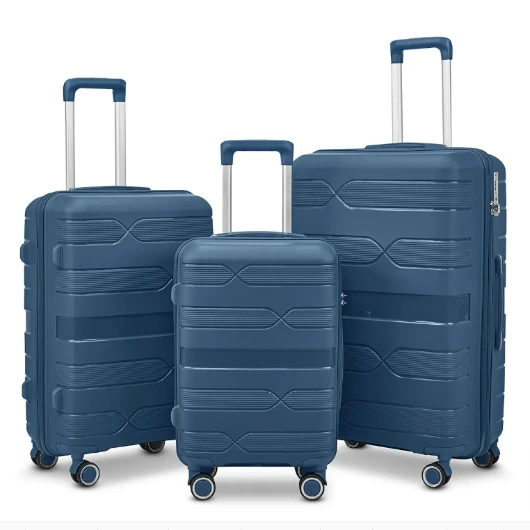
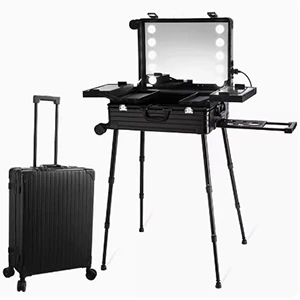
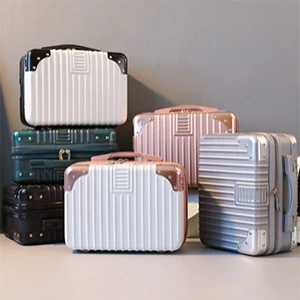
Sampling runs 7 to 15 days here, and the range is not about how busy we are. It is about how much of your drawing was still undecided when it arrived. A fully specified case samples in a week. One missing a closure decision waits, because the closure decides the tooling.
What follows is the order the work actually happens in, and the three decisions that have to be locked before day one.
The three decisions that gate everything else
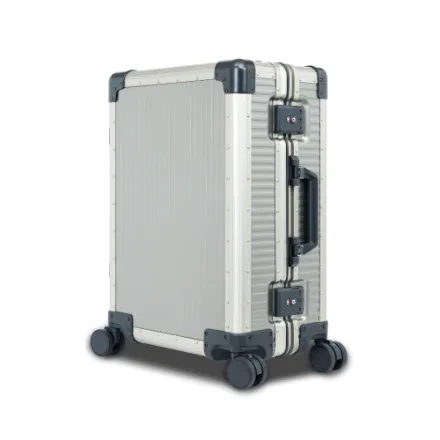
Closure. Zippered body or frame body with no zipper. This is first because on a frame case the lock cavity is milled into the extrusion when the die is cut. Change it later and you are buying a second die, not editing a drawing.
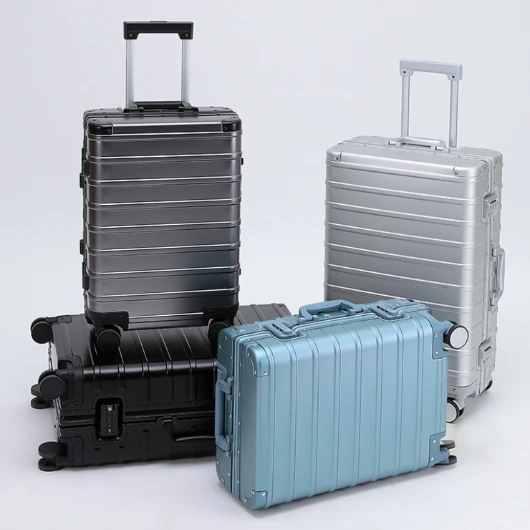
Material and grade. We hold 5052 and run it through existing molds. 5083 and 5182 are made to order, which adds material lead time in front of the sample rather than inside it. Most brand programs do not need either.
Shell process. One piece die casting or sheet assembly. Die casting puts fewer screw holes in the shell and holds a cleaner curve, which is why brand work usually lands there.
Everything downstream of these three is adjustable during sampling. These three are not.
What buyers ask us about sampling
We cleaned the bot traffic out of our own inquiry forms and were left with 2,424 real messages. Sampling came up in 102 of them, and in 12.1 percent of everything received in the last six months, which makes it the third most common subject after material and price.
The wording repeats.
How fast can we have a sample?
What is the cost and turnaround time for a pre-production sample?
Can you make one sample first?
All three ask about speed. Almost none ask what the sample is supposed to prove, which is the question that decides whether the sample was worth building.
What a sample proves, and what it does not
It proves the geometry closes, the hardware fits the cavities, and the finish is achievable on your chosen grade. That is most of the risk on a first program.
It does not prove consistency across a run, and it cannot. A sample is built by people who know it is a sample. The unit that tells you about consistency is the one pulled at random from bulk, which is a different exercise on a different date.
So do not use the sample to negotiate quality terms. Use it to freeze the drawing.
The sequence, and where the days go
Drawing review comes first and takes about a day. We come back with a feasibility note before quoting. The field that most often needs changing is the corner radius, because an extrusion cannot hold a tighter radius than its wall thickness allows.
Then material. Stock 5052 moves the same week. A made to order grade does not.
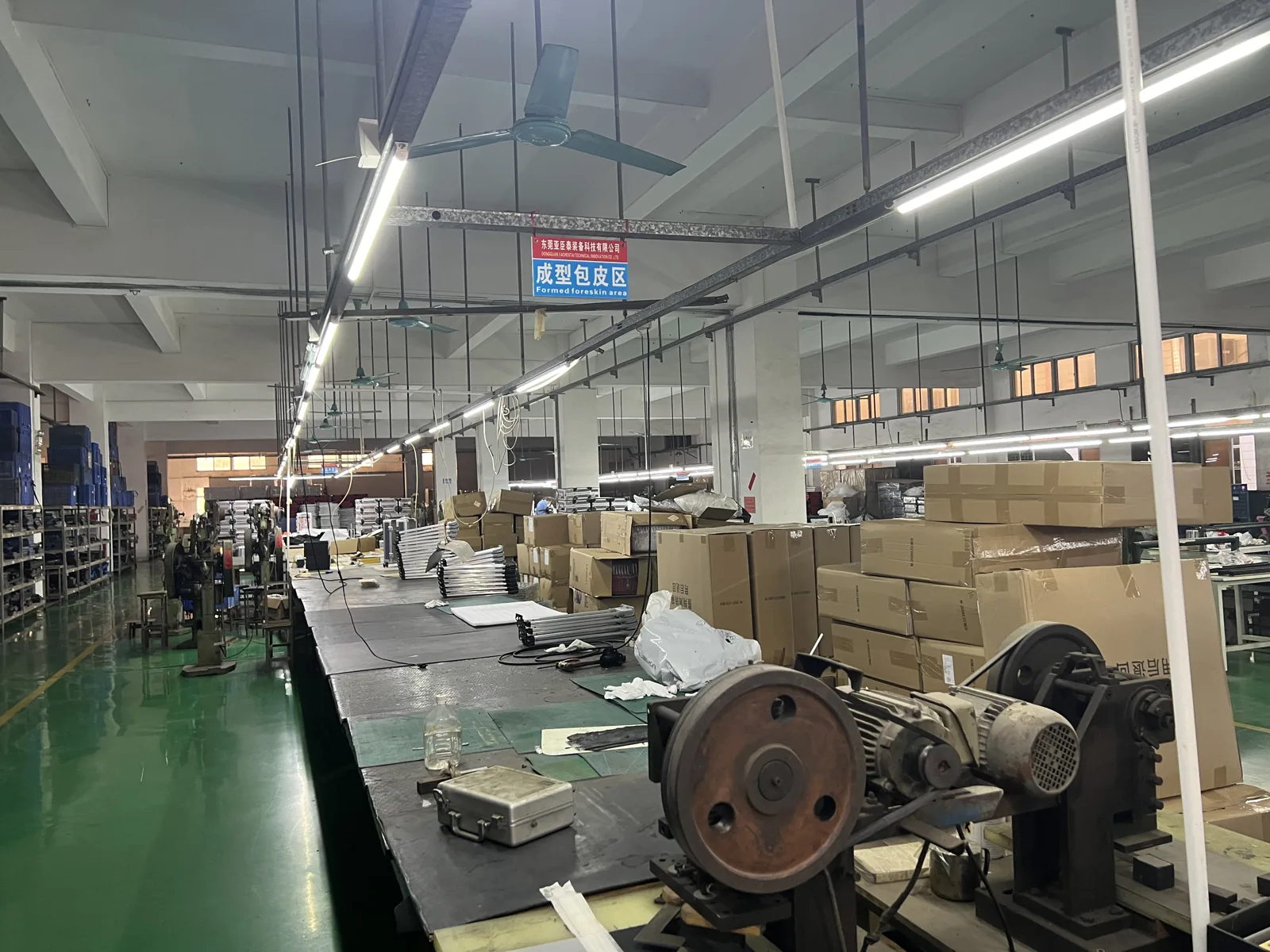
Then forming, hardware fitting, and finish. This is the visible part and the shortest part.
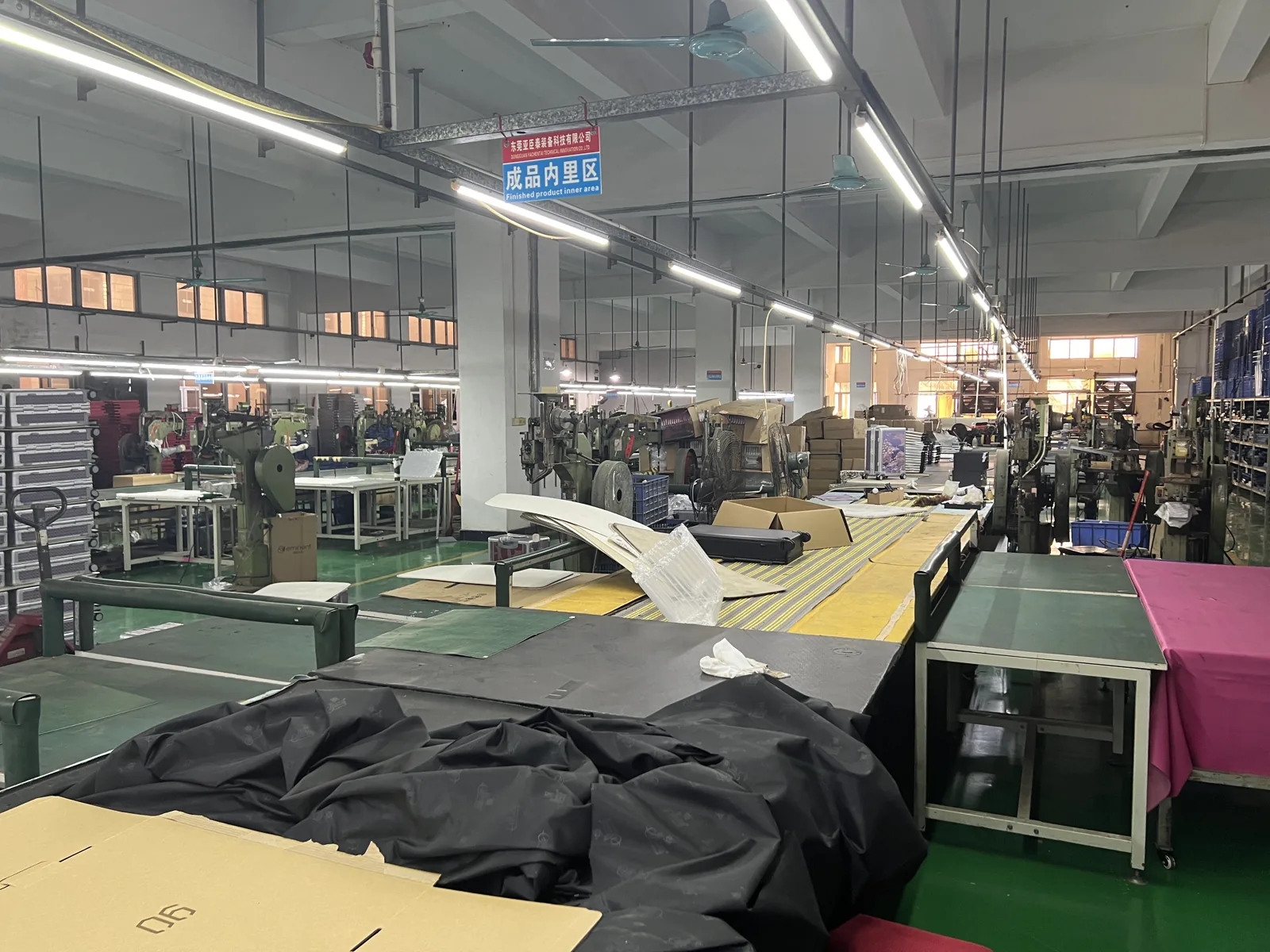
Then your review. This is the step that actually varies. A sample sitting on a buyer’s desk for three weeks turns a 15 day sample into a 36 day one, and the calendar remembers it even when the schedule does not.
After approval
Bulk runs 45 days from a confirmed sample. Sea freight applies once an order reaches 100 kg (220 lb) or 300 pieces.
Work backward from that. A Q4 launch needs the sample signed in the middle of the year, not at the end of it, and the gap that kills launch dates is almost never production. It is the two weeks a buyer spends deciding on a handle.
When sampling is the wrong first step
If you have not validated demand, a sample is an expensive way to look at a case. Buy an existing profile, put your logo on it, and find out whether the market wants it. Tooling and sampling are for the second order, not the first, unless the silhouette is the product.
We take orders from 300 pieces on stock 5052 through existing molds, and we quote below that. Under 300 with new tooling the die cost will not amortize and a supplier running a stock profile will beat our price. We say so on the first call.
If your drawing is ready, send it with the closure type marked and we will come back with the feasibility note before anything gets quoted.
A sample is only as good as the document it was built from. If the fields are still open, start with what a tech pack has to contain instead.
The sample round is also the part of the calendar brands underestimate most. If you are working back from a launch date, see where the calendar actually goes.
Branding gets approved on the sample, not after it, which is why how a logo actually gets onto a metal shell belongs in the first round.
Frequently asked questions
How fast can we have a sample?
7 to 15 days on a specified drawing running stock 5052. A made to order grade or an unresolved closure decision pushes it out, and both of those sit with the drawing rather than the line.
What is the cost and turnaround time for a pre-production sample?
Turnaround is 7 to 15 days. Cost depends on whether the sample runs on an existing profile or needs tooling, which is why we ask for the drawing before quoting rather than after.
Can you make one sample first?
Yes. One sample is the normal starting point for a custom program and it is the cheapest way to find out whether the geometry works.
Do you customize from customer’s drawings and specs?
Yes. Send a 3D file or a dimensioned 2D drawing with the closure type marked. The closure is the field most drawings leave blank and it is the one that gates the tooling.
What is the estimated production lead time after deposit and sample approval?
45 days for bulk on a confirmed sample. Sea freight applies once an order reaches 100 kg (220 lb) or 300 pieces.
Can you produce a fully custom mold, or do you only customize existing designs?
Both. Existing molds cover most travel sizes and get you to market fastest. A fully custom mold is right when the silhouette is the product, and it changes your timeline more than your unit cost.
Written by James
James works at aluvox.com in Houjie, Dongguan. The inquiry figures in this article come from the company’s own form records, pulled in August 2026.