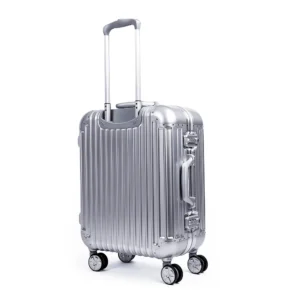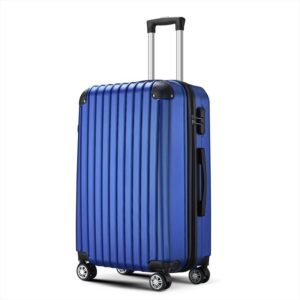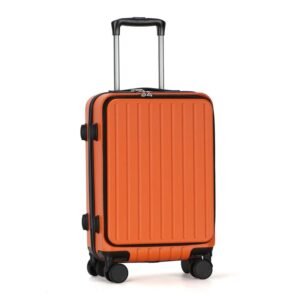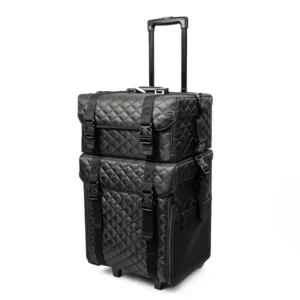





Two different things share the name pre-shipment inspection, and they have almost nothing to do with each other. Buyers who conflate them write the clause wrong and then find out the inspection had no teeth.
One is a customs regime run by governments. The other is a commercial check you pay for. Only the second one protects your order.
The one that is in a treaty
There is a WTO Agreement on Preshipment Inspection, and it is not about your suitcases.
The WTO describes the practice as employing private companies to check shipment details such as price, quantity and quality of goods ordered overseas. The stated purposes are to safeguard national financial interests, to prevent capital flight and commercial fraud, to prevent customs duty evasion, and to compensate for inadequacies in administrative infrastructures. Source: WTO, preshipment inspection, checked as of August 2026.
That is an importing government hiring an agency to verify what is being declared, usually in countries where customs valuation is the problem being solved. The agreement even sets up an independent review procedure for disputes between exporters and inspection agencies, administered jointly with the International Federation of Inspection Agencies and the International Chamber of Commerce.
None of that machinery is available to a brand buying luggage. If your destination country does not run a mandatory scheme, the treaty never enters the picture.
The one you actually want
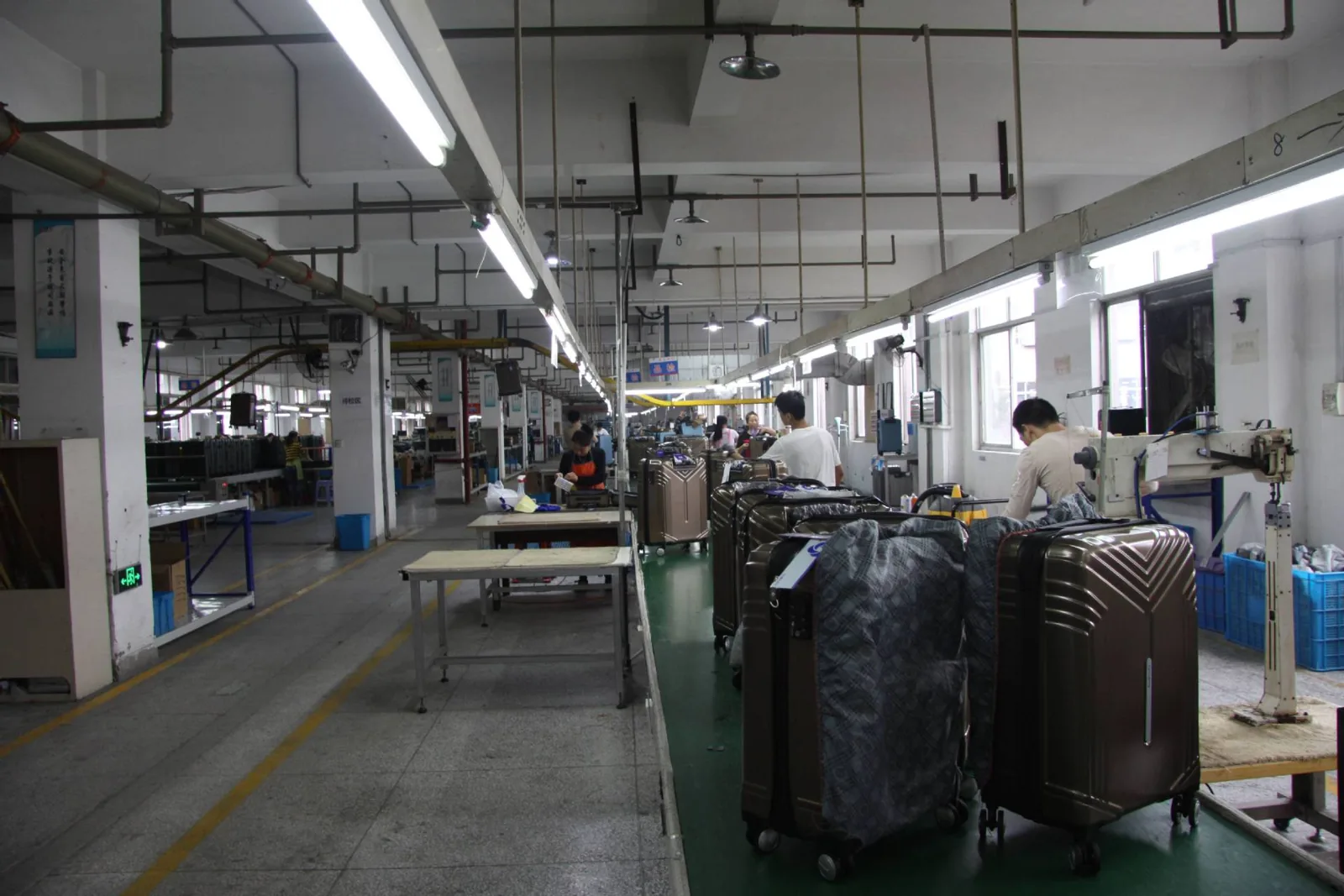
A buyer commissioned inspection has no treaty behind it. It is a service you buy, and its entire force comes from one place, which is where it sits in your payment schedule.
An inspection carried out after the balance has been paid is a report. An inspection the balance is conditional on is leverage. Same inspector, same checklist, same day of work, and completely different consequences when something is wrong.
This is the clause people skip. Our note on payment structures and what triggers the balance sets out the five arrangements and where the risk lands in each. The line that matters here is short. The balance becomes due on a passed inspection report, not on shipment and not on a bill of lading copy.
What the inspector needs before they arrive
Most inspection disputes are not about what the inspector saw. They are about what the inspector was told to look for.
A defect classification list. The sampling plan tells the inspector how many units to open. It does not tell them whether a 3 mm mark on a brushed panel is a defect. That belongs in the defect classification list, agreed before production rather than argued about on the day.
An inspection level and an acceptance figure. General level II is the usual starting point for consumer goods, and moving to level III is a response to a problem rather than a permanent setting. Our note on AQL sampling for luggage covers how sample size and acceptance interact.
An approved physical sample on site. Color, finish, and hardware feel are judged against an object, not a photograph. If the golden sample is in your office, the inspector is guessing.
The packed carton spec. Carton count, markings, barcode, and drop of the packed carton if you require it. Half the findings on a first order are packaging findings.
A stated production percentage. Say in the purchase order how complete production has to be before the inspector is called, and how much of it packed. If you leave it open, the visit gets scheduled when the factory is ready rather than when the lot is representative.
Who books it, and why that matters
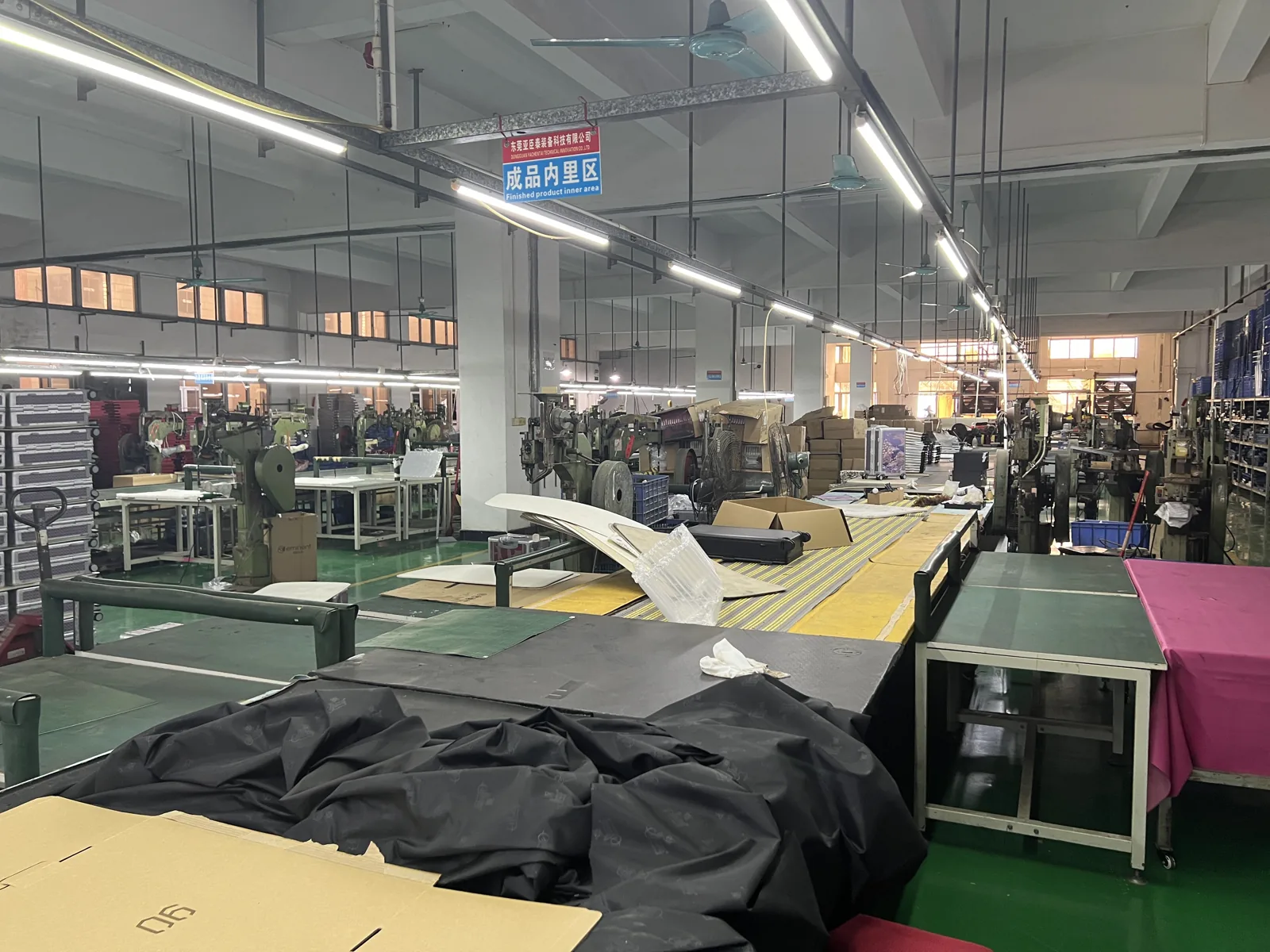
A detail that decides more than it looks like it does. If the factory books the inspection and pays the agency, the agency’s client is the factory.
Most third party agencies handle this cleanly, and the arrangement still puts the relationship on the wrong side of the table. Book it yourself, or through your agent, and give the factory the date rather than the appointment.
The related question of what a sourcing agent adds and where they stop is covered separately in our note on using an agent against going direct.
What a luggage inspection should physically cover
Six areas, and the middle three are what separate a luggage inspection from a generic one.
Shell surface and finish against the approved sample. Handle extension and retraction, repeated, under load. Wheel rotation and noise, with the case loaded rather than empty. Lock and latch operation on every unit sampled, since these are pass or fail rather than judgment. Interior fit, lining seams, and closure operation. Markings, country of origin, barcode scan, carton count.
An inspector who checks a suitcase empty has checked a box, not a suitcase.
Note the difference between this and laboratory testing. An inspection samples a finished lot against your list. A test puts a case on a machine and runs it to a published method, which is a separate exercise covered in our note on the tests a luggage program is normally asked for. Buyers sometimes ask an inspector for test results. That is the wrong building.
What we do and what we do not
We support third party inspection at any point in the run, and we release the audit and test reports we hold on request at first inquiry.
We work to the buyer’s defect classification list where there is one. Where there is not, we will send ours and ask you to change it rather than treat our version as agreed.
Our minimum is 300 units per design, and smaller test batches are negotiable rather than refused. Sampling runs 7 to 15 days per round and bulk is 45 days from a confirmed sample.
We do not treat an inspection tied to the balance as a lack of trust. It is a reasonable term, and a buyer who inspects is a buyer who reorders. We would rather find a problem in our own building than in yours.
Half the findings on a first order are packaging findings, and the document an inspector checks them against is set out in export packing and marks.
Frequently asked questions
Should inspection happen before or after the final payment?
Before, and the purchase order has to say so. An inspection carried out after the balance is paid produces a report with no remedy attached, while an inspection the balance is conditional on gives you a decision point. The wording that does the work makes the balance due on a passed inspection report rather than on shipment or on a bill of lading copy.
Is pre-shipment inspection a legal requirement?
Not for most luggage programs. The WTO Agreement on Preshipment Inspection governs schemes that importing governments mandate for customs and currency control purposes, which the WTO describes as employing private companies to check shipment details such as price, quantity and quality. A buyer commissioned quality inspection is a commercial service governed by your contract, not by that agreement.
Who should book and pay for the inspection?
The buyer, or the buyer’s agent. Whoever engages the agency is the agency’s client, and while most third party firms handle this properly, the cleaner arrangement is for the factory to receive the date rather than to make the booking.
Written by James
James works at aluvox.com in Houjie, Dongguan. Regulatory references on this page were checked against the official sources linked above in August 2026. This is not legal advice and the current official text governs.