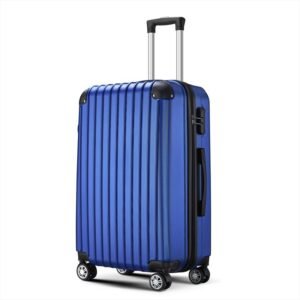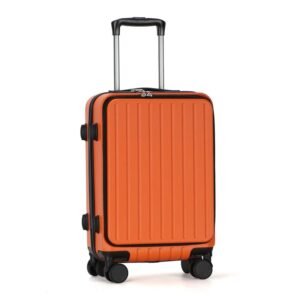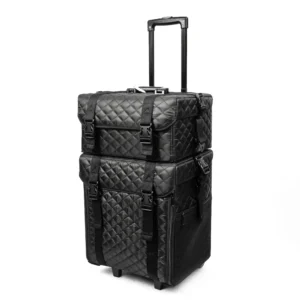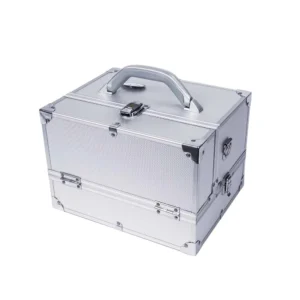




Luggage testing helps establish whether the selected case, materials and components meet the product requirements. A whole-case drop test examines structure and function after impact. Rolling tests assess the condition of a loaded case after travel, while pull-rod and handle tests examine repeated operation or loading. Materials testing addresses a different set of questions, such as whether the lining, plastic parts or surface materials meet the project’s requirements.
When comparing two samples, a brand buyer needs more than a pass statement. The method, load, case size and acceptance criteria all affect what the result means.
For an Aluvox luggage project, we plan testing around the selected model, sizes, components and customer requirements. When a third-party report is needed, we confirm the method, sample configuration and report scope so the results can support sample approval and the order that follows.
Which luggage testing standards apply to each part?
Finished luggage has product-level requirements as well as methods for pull rods, wheels, drops and impact. A project may combine several tests; completing one does not establish that the others have also been performed.
QB/T 2155-2018, for example, is a recommended Chinese light-industry standard for travel luggage. A brand or retailer may use its own protocol. The testing plan needs to connect the product requirements with the methods actually used.
| Test or assessment | Method or reference | What it examines |
|---|---|---|
| Finished travel luggage | QB/T 2155-2018 | Applicable clauses, the tested configuration and the corresponding results. |
| Falling-ball or falling-weight impact | QB/T 2918-2007 | The condition of a specified area after a localized impact. |
| Whole-case drop | QB/T 2921-2007 or an agreed method | Damage and function after a loaded case is dropped. |
| Rotary-drum testing | QB/T 4116-2023 | Performance under the specified tumbling conditions. |
| Pull-rod fatigue | QB/T 2919-2018 | Extension, locking and the condition of relevant parts after repeated operation. |
| Walking or rolling performance | QB/T 2920-2018 | Wheels and their connections after loaded rolling. |
| Materials and chemical requirements | Methods selected for the material, destination market and customer requirements | The materials sampled, items assessed and applicable requirements. |
Even two reports labeled “drop test” may use different loads, orientations or numbers of drops. Keeping the method edition, conditions and results together makes it possible to judge whether the reports can be compared.
Suitcase drop test standards: why the same height is not the same test
Drop height is only one part of the test.
An empty case and a loaded case face different demands even when dropped from the same height. Landing on a face, edge or corner can affect where damage occurs. The surface, number of drops and any environmental conditioning also matter when interpreting the result.
A useful drop-test report connects those conditions: which size was tested, how it was loaded, where it landed, the surface and the damage observed after the drops.
SATRA TM242, for example, assesses loaded luggage through corner drops. Its result can describe the sample’s performance under that method, but cannot replace rolling, handle-endurance or other testing.
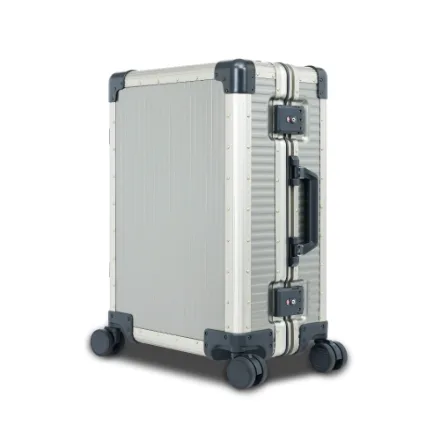
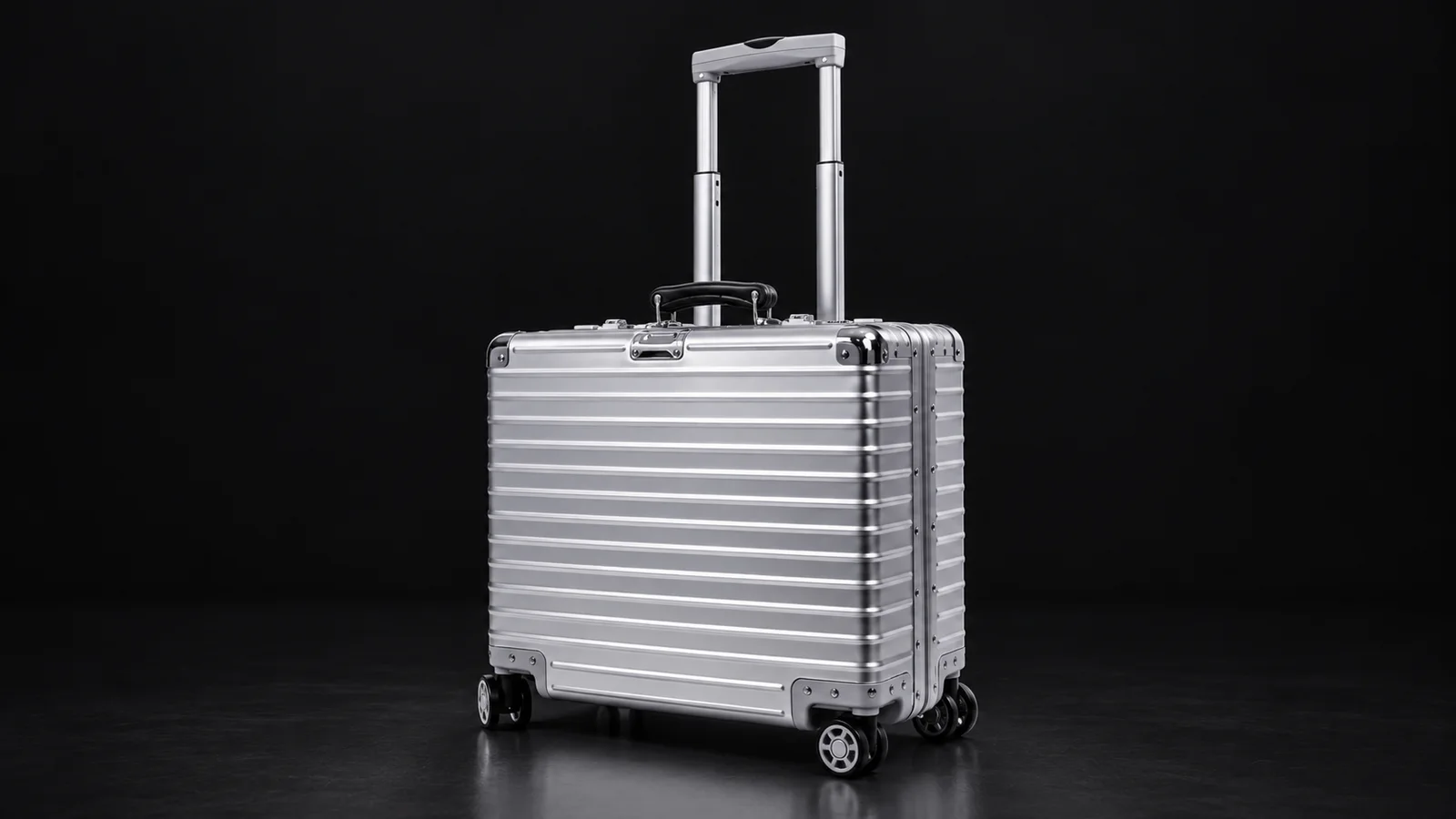
For an aluminum case, a dented corner is only part of the assessment. Deformation needs to be considered alongside normal use: whether the frame still closes, the hinges and latches work, and the wheels, handles and their connections meet the requirements.
For a plastic-shell case, the assessment should include both shell cracking and the condition of wheel mounts, handle mounts and other attachment points. The shell’s appearance and the component connections need to be considered together.
Cosmetic and functional damage should be recorded separately and assessed against the agreed criteria. A dent is not automatically a pass or a failure. The required appearance and the functions that must remain intact belong in the testing plan before the sample is tested.
ISO luggage testing: what does the ISO number establish?
ISO/IEC 17025 concerns the competence of testing and calibration laboratories. It does not set a suitcase’s drop height, rolling distance or acceptable damage.
Those conditions come from the selected product method and project requirements. Where a customer requires accredited testing, the laboratory’s accreditation scope also needs to cover the method being used.
Other ISO numbers need their full titles and intended applications. ISO 8318:2000, for example, covers vibration tests on complete, filled transport packages and unit loads. It is not a universal durability standard for every suitcase.
A report therefore needs to keep two things clear:
- Which laboratory performed the work and the relevant scope of its competence.
- Which product methods were applied to the sample, under what conditions and with what results.
Laboratory competence, product test results and product certification each have their own scope. One cannot stand in for the other two.
A third-party report needs to match the luggage you plan to order
A third-party report provides independent test evidence for an identified sample. Authenticity is the starting point; the report also needs to apply to the product being purchased.
If the tested sample is a 20-inch case and the order adds larger sizes, the original report does not automatically cover them simply because they belong to the same series. Coverage depends on the method, the report’s scope and the differences between configurations.
The same principle applies when changing wheels, handles or locks. First identify the component and installation changes, then determine which existing results remain applicable and which tests need to be added.
| Report information | How it supports purchasing |
|---|---|
| Issuing organization, report number, date and version | Identifies the document and enables verification through the issuer’s appropriate channels. |
| Model, size, materials, photographs and key components | Connects the results to an identifiable sample. |
| Method numbers, editions and test conditions | Explains what the sample actually underwent. |
| Acceptance criteria, results and damage records | Shows the basis for the conclusion, rather than a pass statement alone. |
| Scope, deviations and items not tested | Defines how far the results can be applied. |
We apply the same principle to documents supplied by Aluvox. We first establish which models and configurations an existing file covers, then determine whether additional testing is needed for the project.
How Aluvox arranges in-house and third-party testing
Aluvox uses batch sampling, periodic verification and customer-specific testing. Test items, sample quantities and frequency follow the product and project quality plan. This does not mean that every production batch undergoes every test below.
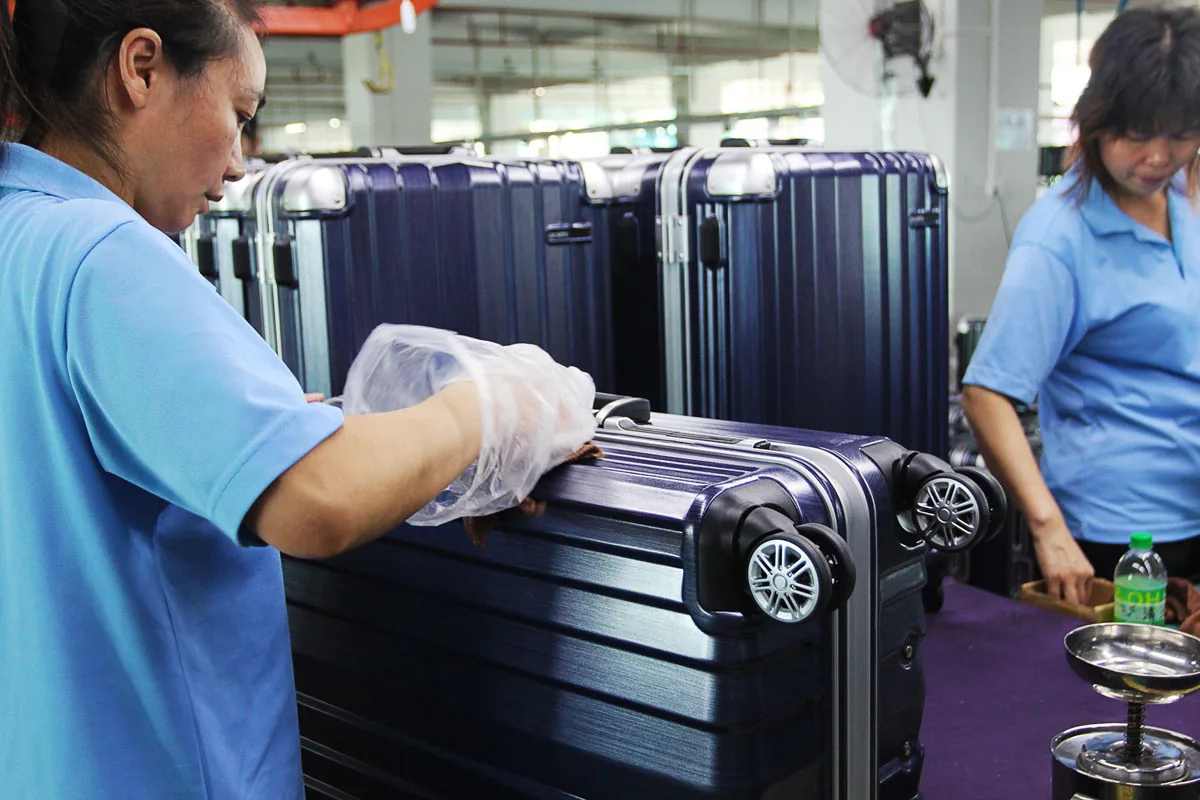
In-house tests and checks may include pull-rod extension endurance, wheel rolling, finished-case drops, handle and load-bearing checks, compression, high-temperature exposure, water performance and finish or scratch resistance. The selected product and requirements determine which items apply.
During development, we focus on whether the selected design and component combination meets the target requirements. When testing reveals a problem, the failure location, conditions and configuration are recorded to support correction and further validation.
Production samples also need their batch and sampling source recorded so the result can be traced to the corresponding goods. Development samples, approved samples and production samples represent different stages and should be identified accordingly.
Third-party testing has its own confirmed method, sample configuration, sample source and acceptance criteria. Internal records support manufacturing and quality control; when the customer requires an independent laboratory report, the project needs the corresponding test arrangement.
On an aluminum case, assess components as part of the assembled structure
Locks, hinges, pull rods, handles and corner guards are ultimately installed on the case. Component specifications matter, as do the installation and the assembled product’s test results.
Locks and hinges: closure and operation after assembly
Records should identify the components, mounting arrangement and function after testing. Whether changing a lock requires structural or tooling changes depends on the model; not every lock change is a simple substitution.
Pull rods and handles: component versions and connections
The sample’s specifications, attachments and completed tests need to remain traceable. If a component is changed later, that record helps determine which results the change affects.
Corner guards: the connection and the case after impact
For models with corner guards, assess their connection to the case alongside damage photographs and function after testing. Appearance alone does not establish how a guard performed during a drop.
Lining assessment depends on the material, color and intended use and may include colorfastness, seam strength and relevant materials requirements. For example, concern about color transfer to clothing needs to be addressed in the assessment of the selected lining. Our REACH and SVHC guide covers the separate materials-compliance questions.
How testing costs and timing fit into the project
Testing may be included in the project quotation or listed separately. Test items, sample quantities and report scope need to be clear when comparing prices; two totals may cover different work.
For each project, we confirm sample submission, testing, report delivery and the arrangements for correction and retesting if needed. Sample shipping and retesting costs also belong in the agreed scope so the budget can be planned.
Sample preparation usually takes 15–20 working days after design confirmation, with bulk production taking about 45 days after sample approval. Laboratory scheduling, report preparation and any correction or retesting need additional time in the project plan.
If a report is required for customer approval or an order, the test configuration and submission date should be established while preparing the samples, so the result can contribute to product approval.
Product testing, shipment inspection and factory audits answer different questions
| Purchasing question | Relevant work |
|---|---|
| How did this sample perform under specified conditions? | Product testing and the corresponding report. |
| Do the goods ready to ship match the order requirements? | Pre-shipment inspection. |
| How are samples selected and acceptance decisions made? | AQL sampling and inspection. |
| Can the factory support the planned production and quality process? | Factory audit. |
Product testing and inspection can work together, but a development-sample report cannot replace shipment inspection. A factory audit cannot replace performance testing for the selected model either.
What happens if a luggage sample fails?
Start by recording the conditions, failure location and tested configuration. Correction should address the actual problem: which part needs to change, which version the change creates and which tests need to be repeated.
Keep the configurations and results from before and after the change. This shows how the problem was addressed and whether the correction worked. Replacing a sample without recording the changes leaves no clear basis for subsequent production.
For a luggage project that requires testing, share the target model, sizes, materials, destination market and customer requirements. Aluvox will use those details to confirm the applicable documents, test items, sample arrangements and quotation, so the product plan and testing requirements move forward together.
Share your luggage specification and testing requirements.
Written by James
James works at Aluvox in Houjie, Dongguan, on luggage manufacturing and brand projects.