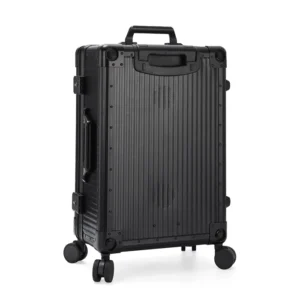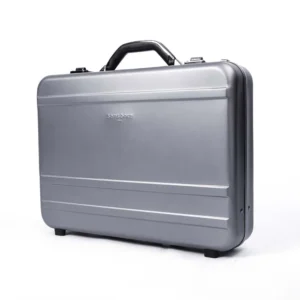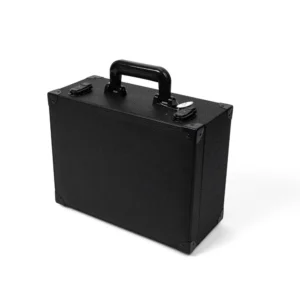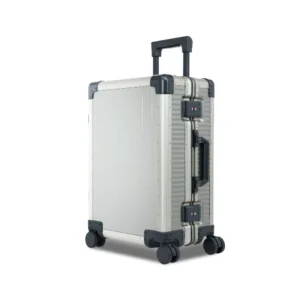


The tooling line is usually the largest single number on a first luggage order. The number itself matters less than the mechanism attached to it, and most quotations name the number and leave the mechanism blank.
There are three mechanisms. They are not variations on one thing. They put the money, the risk, and the ownership in different places.
What drives the number in the first place
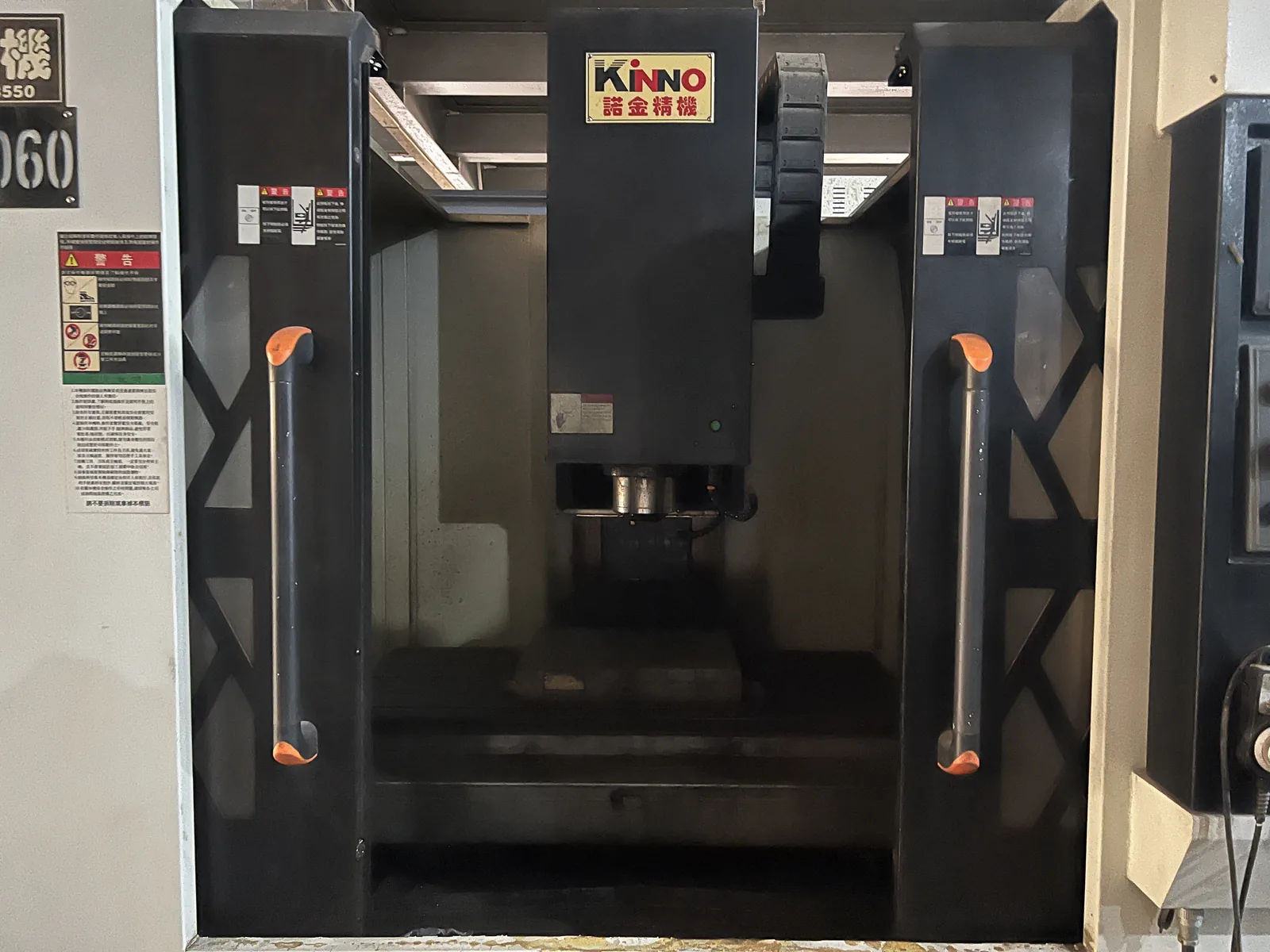
Tooling cost is mostly a function of how much steel has to be cut and how many separate tools the product needs.
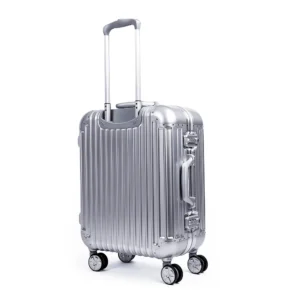
Part size. A checked shell needs a bigger tool than a carry-on shell, and the tool grows faster than the part does. A full aluminum case has no shell tool at all, which is why its entry cost and its unit cost sit on the opposite curve from a frame case.
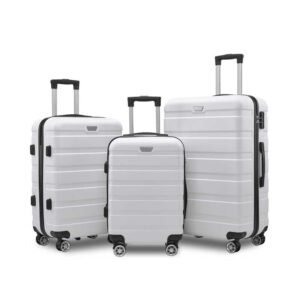
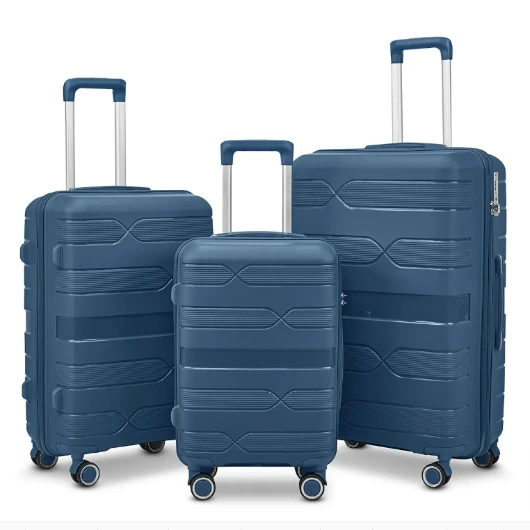
How many tools the range needs. This is the one brands underestimate. A three size range is not one tool. Each size is its own shell tool, and on an aluminum frame case the frame extrusion die, the lock cavity, and the handle seat are separate operations again.
Undercuts and side actions. Any feature that does not release straight out of the tool needs a moving part in the tool. Each one is added cost and added maintenance.
Texture and finish of the tool face. A polished cavity and a grained cavity are different amounts of work.
Expected life. A tool built for 10,000 shots and a tool built for 500,000 are different steels and different prices, and quoting them against each other is the most common way a tooling comparison goes wrong.
The three ways it gets paid
Paid outright. You pay the tooling as a separate line, up front or split against milestones. Simplest to understand and the easiest to attach ownership terms to, because there is nothing outstanding.
Amortized into the unit price. The factory carries the tooling cost and recovers it as a per unit component. PlasticsToday describes this plainly as the buyer asking the molder to amortize the tooling into the part cost, which makes the molder a lender rather than only a supplier.
Credited against volume. You pay the tooling up front and it is credited back, in part or in full, once an agreed quantity has been produced. This is the version most often described loosely as a refundable mold charge.
Where amortization actually bites
Two consequences, and both are in the trade literature rather than in most quotations.
The first is volume. If the projected quantity is not reached, the per unit tooling component rises, because the same total has to come out of fewer units. PlasticsToday puts the molder’s protection this way, that a customer buying half the projected volume pays a higher amortized tooling component.
The second is ownership. Under a properly written amortization arrangement the molder holds an exclusive lien on the tooling until it is paid for in full. Which means that for the whole amortization period, the tool you are paying for is not yet yours.
Source: PlasticsToday, tooling amortization, checked as of August 2026.
None of that makes amortization a bad deal. It makes it a financing deal, and a financing deal with terms you have not read is a different product from the one you thought you were buying.
The comparison most buyers get wrong
Two quotations arrive. One has a low tooling number and a higher unit price. The other has a high tooling number and a lower unit price.
Neither is cheaper until you pick a quantity. Multiply the unit difference by the quantity you actually expect to order in the first two years, not the quantity you hope to reach, and add it to the tooling line. The order of the two answers often reverses.
Then ask the second question, which is what happens to the tool if that quantity never arrives. That is the question the arithmetic does not answer.
What moves the number after sign off
Design changes. Nothing else comes close.
Once the cavity is cut, adding material back is difficult and removing it is easy, which is why a change that makes a feature smaller is usually cheap and a change that makes it bigger is often a new tool. Ask which direction your change goes before you ask what it costs.
Material changes belong in the same category, and for a plastic shell they are decided by shrink rate rather than by preference.
What we do and what we do not
Tooling is quoted as a separate line, never buried in the unit price without saying so. Our terms are negotiated per program rather than fixed, so if one of the three mechanisms above suits your cash position better, that is a conversation rather than a policy.
Our minimum is 300 units per design, and smaller test batches are negotiable rather than refused. Sampling runs 7 to 15 days per round and bulk is 45 days from a confirmed sample.
We do not quote a tooling number without stating what it buys, which tools it covers, and how many sizes it covers. A single figure against the word tooling is not a quotation, it is a placeholder.
We also do not treat an amortized tool as paid for before it is paid for. Whichever mechanism a program uses, the ownership position at every point of the schedule goes in writing before the first payment.
How tooling is charged is one column. What is actually in the tooling being charged for is the other, and the itemized version is set out in what belongs on a tooling list.
Frequently asked questions
Is the mold cost refundable?
It depends entirely on which of the three mechanisms is in the contract. Paid outright is not refundable unless a credit is written in. Credited against volume is refundable against an agreed quantity. Amortized is not a refund at all, it is a repayment schedule inside the unit price. Ask which one you are being offered.
Why does a three size range cost more than three times one size?
It usually does not, but it costs a lot more than one size. Each size is a separate tool, and on an aluminum frame case the frame, lock cavity, and handle seat add operations of their own. Consolidating the range before committing tooling is the single largest lever on this number.
Can we compare two tooling quotations directly?
Only after you fix a quantity and a tool life. A low tooling number with a high unit price and a high tooling number with a low unit price cross over at some volume, and the tool built for 10,000 shots is not comparable to the one built for 500,000 whatever the two numbers say.
Written by James
James works at aluvox.com in Houjie, Dongguan. References on this page were checked against the sources linked above in August 2026.