
There is no neutral payment structure. Every one of them puts the risk on somebody, and the negotiation is only ever about which side carries it and for how long.
Knowing that changes how the conversation goes. A factory asking for a deposit is not doubting you. It is refusing to fund your inventory.
The five structures, ranked by who is exposed
The US government trade agency sets them out plainly, and the ranking is the useful part.
Cash in advance. The exporter avoids credit risk because payment arrives before ownership transfers. The importer carries all of it, and carries the cash flow too.
Letter of credit. Described as one of the most secure instruments available to international traders, because no payment obligation arises until the goods have been shipped as promised. It costs bank fees and paperwork, and it protects both sides.
Documentary collection. Cheaper than a letter of credit and weaker. It offers no verification process and limited recourse in the event of non-payment.
Open account. One of the highest risk options for an exporter, with payment typically due 30, 60, or 90 days after shipment. Best possible cash flow for the buyer.
Consignment. The exporter is not guaranteed any payment until goods sell through. Highest exporter risk of the five.
Source: International Trade Administration, methods of payment, checked as of August 2026.
Read the list as a single line with the risk sliding from one end to the other. There is no point on it where nobody is exposed.
Why a deposit exists at all
Not as a trust exercise. As a materials purchase.
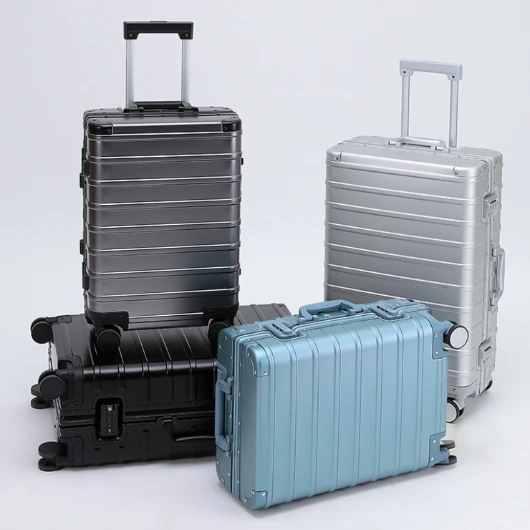
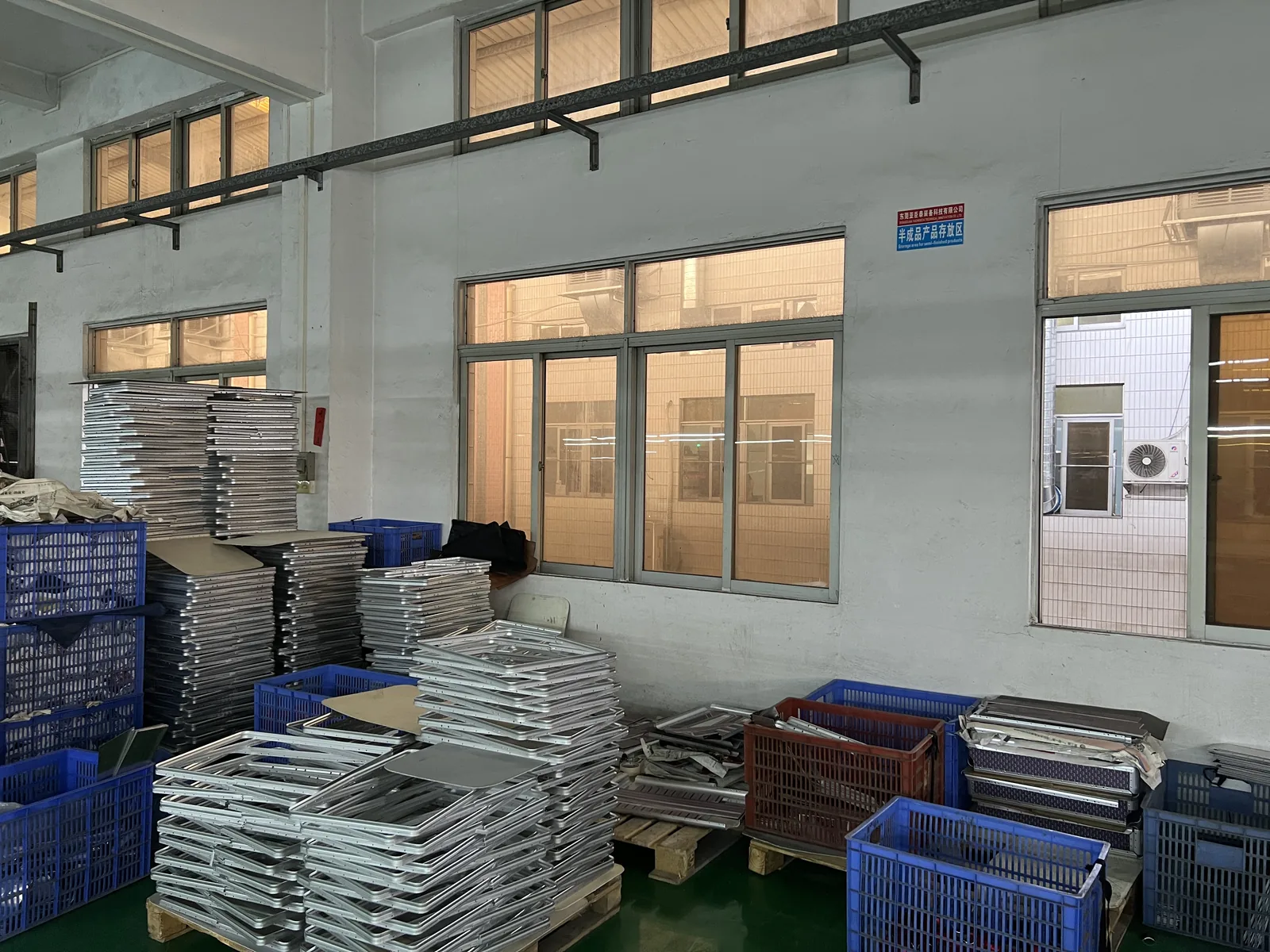
A luggage order commits a factory to buying aluminum sheet or resin, locks, wheels, handles, zippers, lining, and cartons, most of it cut or configured to your specification. Once the sheet is sheared to your panel size and the shells are formed, that inventory is worth very little to anyone else.
That is the exposure a deposit covers. It is also why deposits tend to track how specific the order is. A case built from stock components with your logo on it is a different risk from a case built on your own tooling in a color nobody else ordered.
The clauses that matter more than the percentage
Buyers negotiate the split and then sign a document that leaves the expensive parts undefined. Four of them.
What the balance is triggered by. Before shipment, against a bill of lading copy, or against an inspection report. These are three different levels of protection and they are one line apart in the document.
Whether inspection precedes the balance. If the balance is due before your inspector visits, the inspection is a formality. Tie the two together or accept that you are inspecting goods you have already paid for.
What happens to tooling on non-payment. Tooling is often the largest single line in a first order. Say in writing who holds it and what happens to it if the program stops.
Which currency and who absorbs the bank charges. A small number that becomes an argument at the end of every wire.
What to check before the first payment
Three things, and they take an afternoon.
Confirm the receiving account is in the same legal entity name as the one on the proforma invoice. A mismatch is worth stopping for, every time, and payment redirection fraud in this industry works precisely because nobody wants to look difficult.
Confirm the bank details through a channel you already had, not the one that sent you the invoice. A phone number you looked up yourself beats a phone number in the signature block.
Confirm the proforma invoice names the specification revision, the quantity per size and color, the packaging, the inspection standard, and the date the lead time counts from. A payment schedule attached to an undefined product is not protection.
What we do and what we do not
Terms are set per program and they go on the proforma invoice before any money moves. If you have not seen them in writing, do not send anything, to us or to anybody.
Our minimum is 300 units per design, and smaller test batches are negotiable rather than refused. Sampling runs 7 to 15 days per round and bulk is 45 days from a confirmed sample.
We do not treat a request for third party inspection before the balance as a lack of trust. It is a reasonable term and a buyer who inspects is a buyer who reorders.
We also do not change bank details by email mid-order. If you ever receive a message that appears to come from us asking you to pay a different account, treat it as fraud until you have confirmed it on a number you already had.
The largest line in a first order is usually tooling. What it buys is what a tooling number actually buys, and what happens to it is who owns the tooling once it is paid for.
Tie the balance to an inspection and the inspection to what a defect list has to fix.
Frequently asked questions
How would you prefer we settle payment?
Terms are agreed per program and written on the proforma invoice before anything is sent. What matters more than the split is what the balance is triggered by and whether inspection comes before it, so raise those two at quotation stage.
Why do suppliers ask for a deposit on bulk orders?
To cover materials and components bought to your specification. Once sheet is cut to your panel size and hardware is ordered in your finish, that inventory has little value to another customer, which is the exposure the deposit sits against.
Is a letter of credit worth the cost on a first order?
It depends on order value. A letter of credit is one of the most secure instruments in international trade because payment is not owed until the goods have shipped as promised, and it carries bank fees and document handling that are hard to justify on a small first run. On a large first order with a new supplier the cost usually stops being the main question.
Written by James
James works at aluvox.com in Houjie, Dongguan. Regulatory references on this page were checked against the official sources linked above in August 2026. This is not legal advice and the current official text governs.