

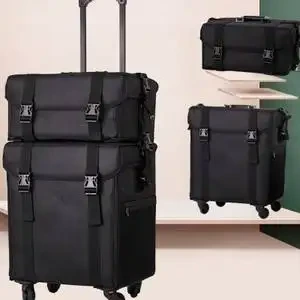
This one arrives in our inbox almost word for word. Is it possible to use an existing mold originally made for ABS or PP and produce it in polycarbonate, or are molds strictly material specific?
The honest answer is neither yes nor no. It depends on which two plastics, and the reason is a number most quotations never mention.
The number that decides it
Plastic shrinks as it cools. A tool is therefore cut larger than the part it makes, by exactly the amount that plastic is expected to shrink. Change the plastic and you have changed the amount, which means the tool is now cut to the wrong size.
Published ranges for the three resins that show up in luggage. ABS shrinks 0.70 to 1.60 percent. Polypropylene homopolymer shrinks 1.00 to 3.00 percent. Polycarbonate in a high heat grade shrinks 0.70 to 1.00 percent. Source: SpecialChem, shrinkage values of plastics, checked as of August 2026.
The same source gives the mechanism. Semi-crystalline polymers always show a higher shrinkage than amorphous polymers, because as they cool their macromolecular chains re-arrange into crystallites, which take up less space.
PP is semi-crystalline. ABS and PC are amorphous. That single fact sorts the question.
So what actually transfers
Three cases, and they are not equally hopeful.
PP to PC, or PC to PP. No. The ranges barely overlap and at the top end PP shrinks three times as much. A tool cut for PP produces a PC part that is measurably oversized, and on a suitcase shell that error lands on the lid edge, the frame seating, and the hardware cutouts all at once.
ABS to PC. Sometimes. The ranges overlap, both are amorphous, and on a part with loose tolerances it can work. Whether it works on your part depends on what the tool was cut for and how tight the mating features are, which is a measurement question rather than an opinion.
Either of them to a filled or blended grade. Treat as a new question. A PC/ABS blend or a glass filled grade has its own shrinkage, and the number on the datasheet for the exact grade is the only one worth using.
Why the answer is different for a formed shell
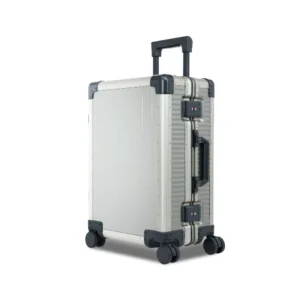
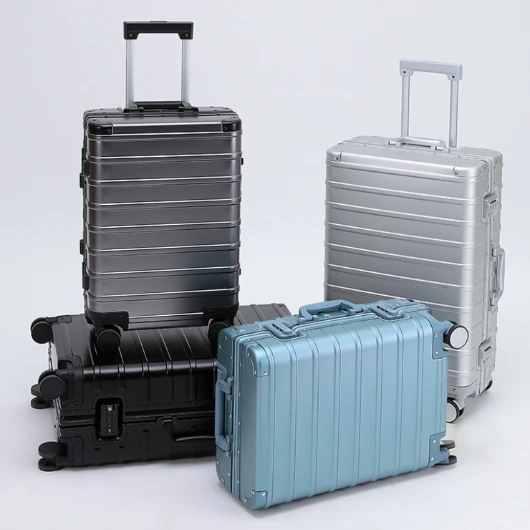
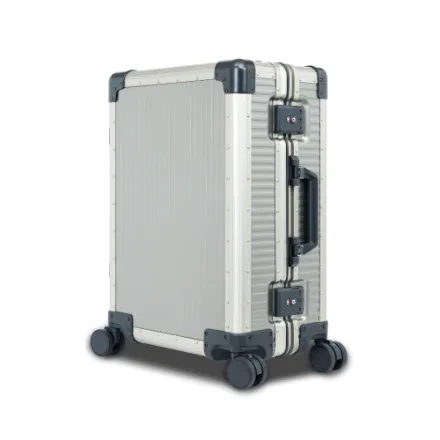
Everything above is about injection molding. Most suitcase shells are not injection molded.
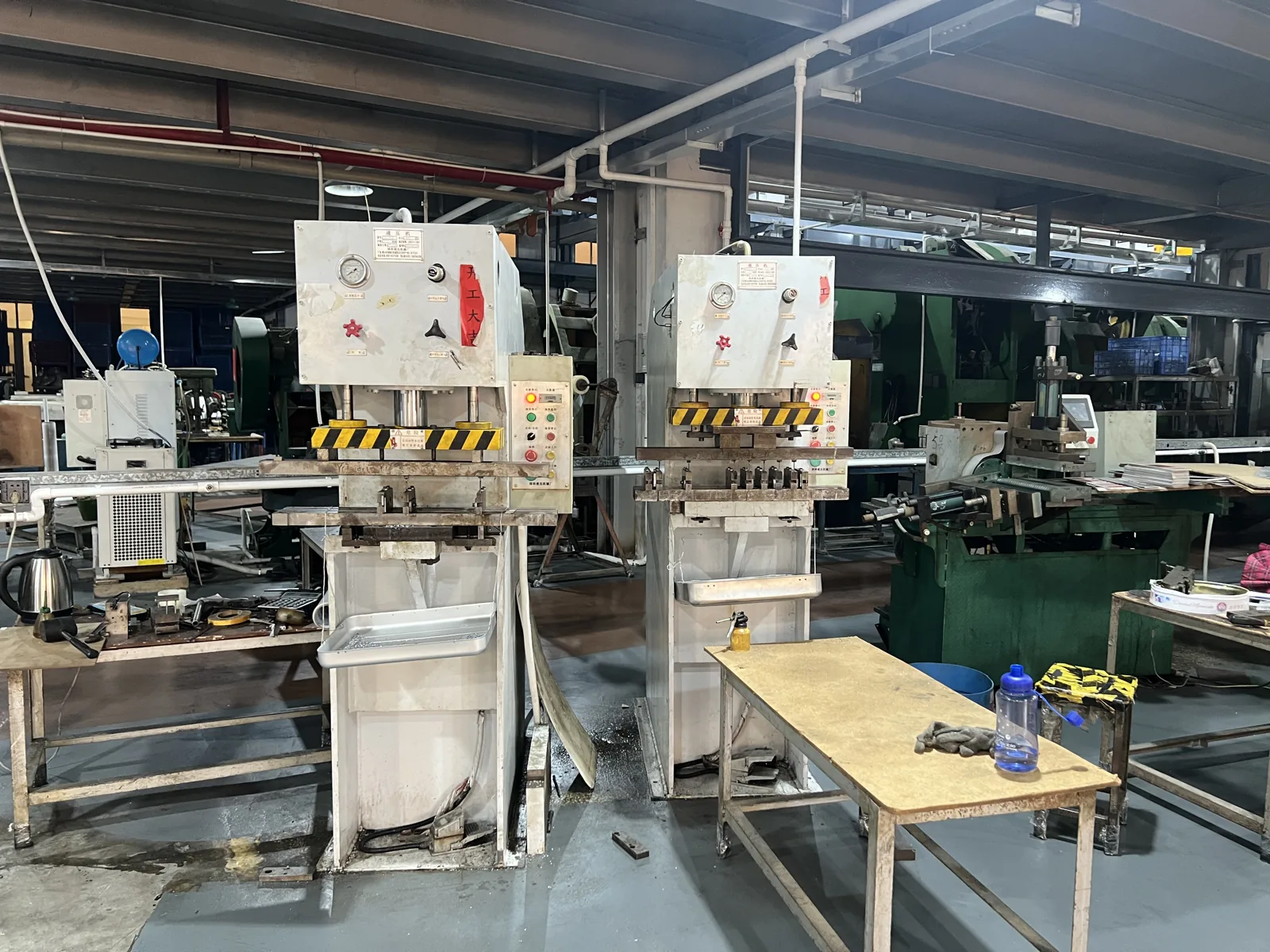
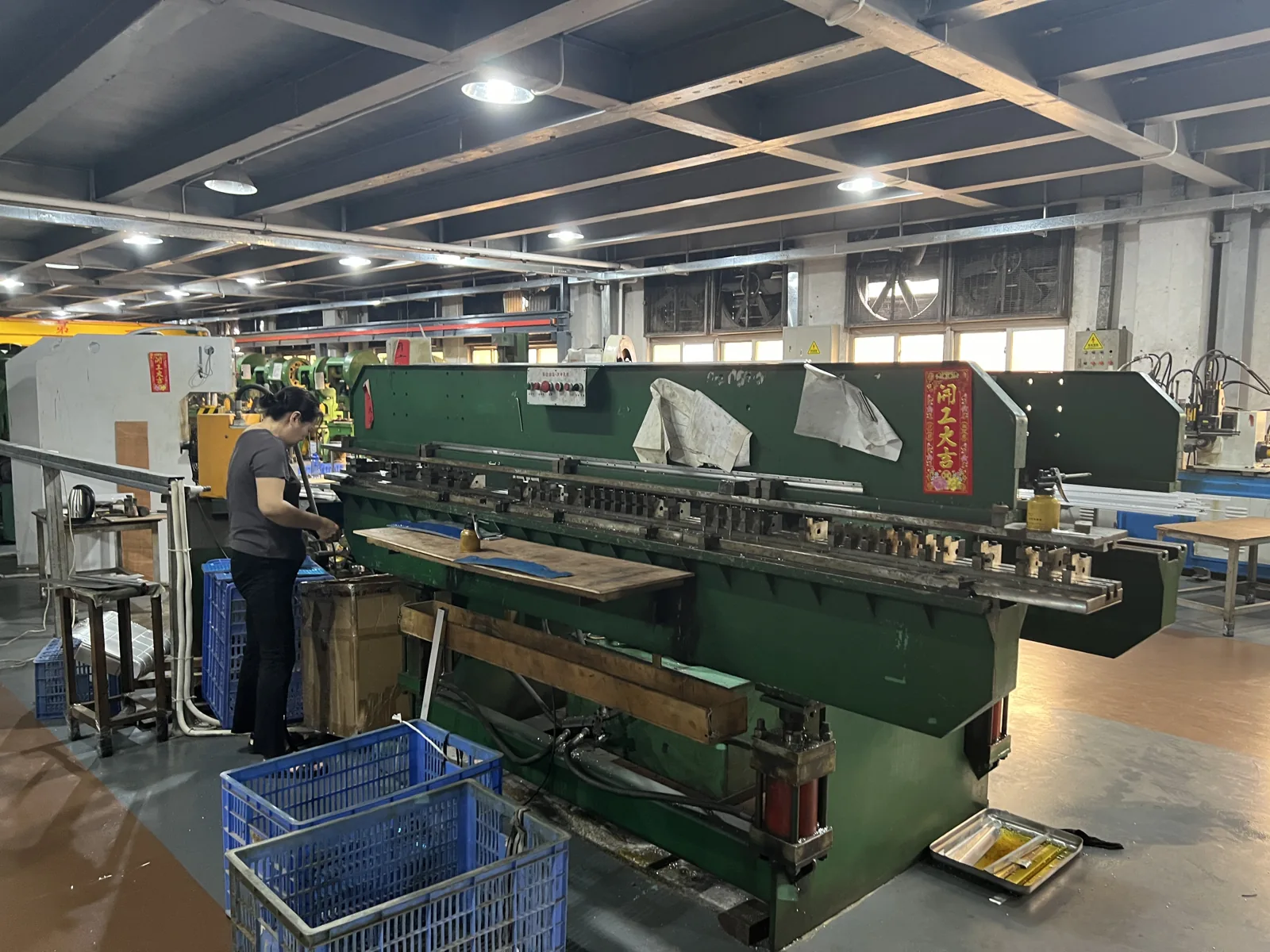
A thermoformed shell starts as extruded sheet, gets heated, and is formed over a tool. There is no cavity being filled, so the mechanism is different, and a formed tool has more tolerance for a change of sheet material than an injection tool has for a change of resin. Wall thickness, draw, and trim line all still move, so it is a trial rather than a swap.
Which process your program is on is the first thing to establish, and our note on the two kinds of tool a case needs sets out the difference. The parts most likely to be caught by a resin change are the injected ones, listed in our note on what belongs on a tooling list.
What to ask before assuming a tool transfers
Four questions. They take one email.
What shrinkage was this tool cut for. A toolmaker knows this number. If nobody can produce it, the tool’s history is unknown and so is its behavior with a new resin.
What are the tight features on this part. Mating faces, snap fits, and anything the hardware bolts to. A shell can absorb a fraction of a percent across a flat panel and cannot absorb it across a latch mount.
Can the tool be adjusted rather than replaced. Steel can be added more easily than removed. A tool that runs slightly small for the new resin is a different problem from one that runs slightly large.
Who pays for the trial. A resin change is a sampling exercise with a real chance of failure. Agree who carries that cost before the first shot, not after. Our note on how sampling actually runs covers what a round costs in time.
Why buyers ask this at all
Usually because tooling has already been paid for once and the program wants a material change without paying again. That is a reasonable thing to want, and how the tooling was charged in the first place changes how reasonable it is, which our note on the three ways tooling gets charged goes through.
It is also the moment when the ownership question stops being theoretical. If the tool sits in a factory you are leaving, its shrinkage history goes with it, and our note on paying for tooling against owning it covers what possession is actually worth.
Tooling and molds came up in only 23 of the 2,424 substantive inquiries we cleaned from our own forms. Under one percent. The buyers who do ask are usually on their second program, which tells you roughly when this becomes visible.
What we do and what we do not
We will tell you whether a specific tool can run a specific resin, and we will say measured rather than probably. If the answer needs a trial shot to be certain, we will say that instead of guessing in either direction.
Our minimum is 300 units per design, and smaller test batches are negotiable rather than refused. Sampling runs 7 to 15 days per round and bulk is 45 days from a confirmed sample.
We do not run a resin through a tool that was not cut for it and ship the result as production. If a trial produces parts outside the drawing, that is a trial result and it comes back to you as one.
We also do not quote a material change as free because the tool already exists. The tool existing is not the same as the tool fitting.
Frequently asked questions
Can we use our existing ABS mold to produce polycarbonate parts?
Sometimes. Both are amorphous and their published shrinkage ranges overlap, with ABS at 0.70 to 1.60 percent and high heat polycarbonate at 0.70 to 1.00 percent, so on a part with loose tolerances it can work. Whether it works on your part depends on what shrinkage the tool was cut for and how tight the mating features are, which is answered by measurement rather than by opinion.
Can a polypropylene mold be used for polycarbonate?
Effectively no. Polypropylene homopolymer shrinks 1.00 to 3.00 percent against 0.70 to 1.00 percent for high heat polycarbonate, because polypropylene is semi-crystalline and semi-crystalline polymers always shrink more than amorphous ones. A tool cut for one produces parts of the wrong size in the other, and on a suitcase that error appears at the lid edge and every hardware cutout at once.
Does the same rule apply to thermoformed shells?
Not in the same way. Thermoforming starts from extruded sheet formed over a tool rather than a cavity being filled, so a formed tool tolerates a change of sheet material better than an injection tool tolerates a change of resin. Wall thickness, draw, and trim line still shift, so treat it as a trial with samples rather than a straight substitution.
Written by James
James works at aluvox.com in Houjie, Dongguan. Standards and test method references on this page were checked against the sources linked above in August 2026.