






Almost every article comparing sourcing agents to direct factories is written by a sourcing agent. This one is written by a factory, which makes it biased in the other direction, so here is the useful version of both halves.
An agent adds four things that are real. It also charges for several that you were getting anyway.
What an agent genuinely adds
Shortlisting across factories you cannot audit. If you do not know which of forty suppliers can actually run an aluminum sheet shell, someone who has walked all forty floors is worth paying. A factory cannot give you this, because every factory answers the question the same way.
Being physically present. Somebody in the same time zone who can be at the line tomorrow morning changes what happens when a run goes wrong. This is the single strongest argument for an agent and it has nothing to do with price.
Consolidating across factories. A program with cases from one supplier, accessories from another, and packaging from a third needs one party holding the schedule. That is a job.
Absorbing the language and calendar gap. Real value on a first program, less on the fifth.
What you may be paying for twice
Sample handling, arranging third party inspection, and preparing export documents are things a factory that exports regularly already does. If those appear as agent services on a quotation, ask what the factory was doing instead.
The same goes for quality control. An agent’s own inspector is useful. An agent’s inspector who works to no written defect list is producing a report, not a check, and the list has to come from you either way.
The questions that tell you what you are talking to
The comparison people usually want is agent versus factory. The one that costs money when you get it wrong is factory versus trading company presenting itself as a factory.
Four questions separate them, and none is rude.
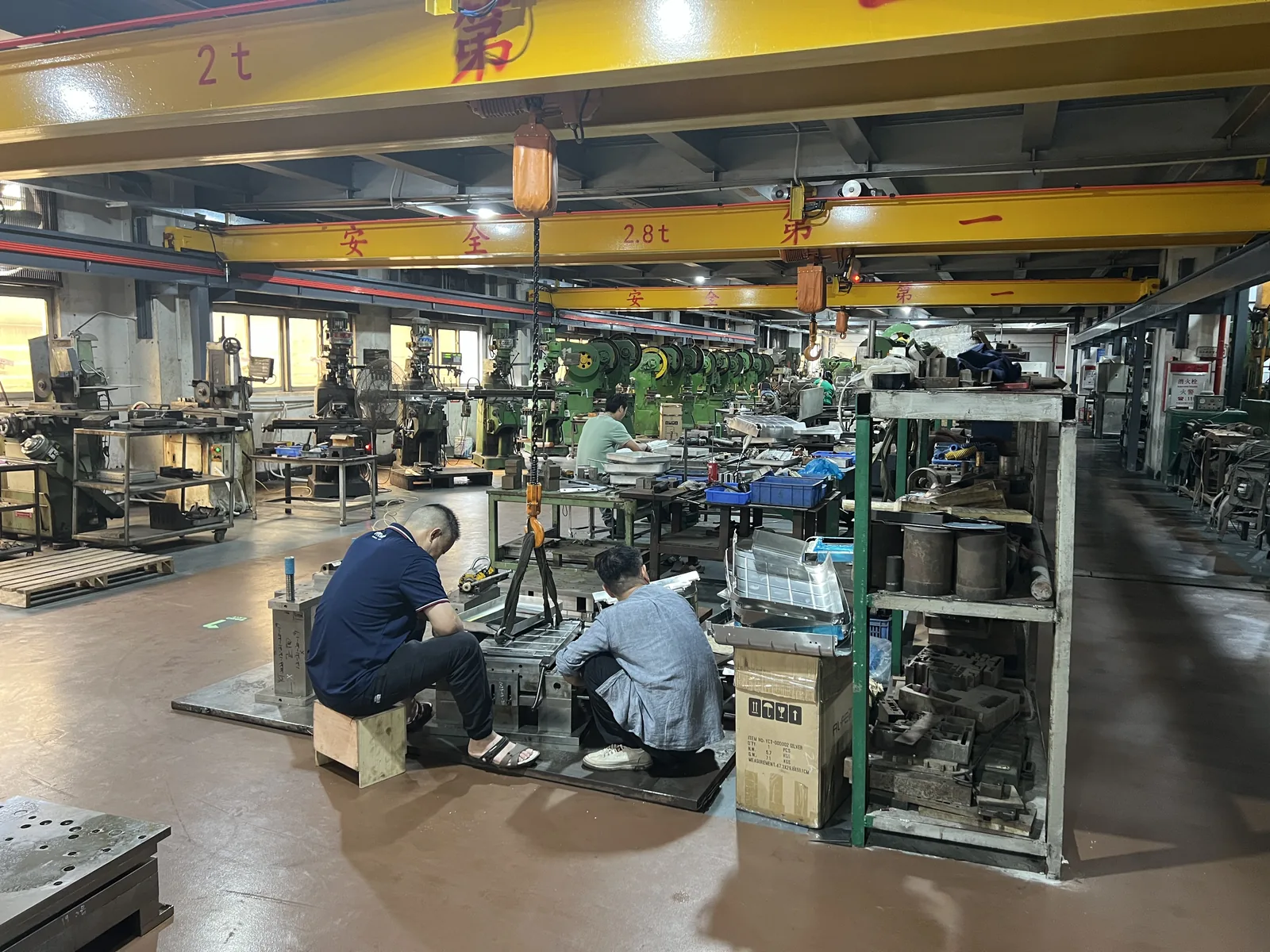
Which process makes the shell, and why that one. A plastic shell is either injection molded or thermoformed from sheet. Those are different tools and different lines. Anyone who runs the process answers in one sentence.
What shrink rate is the tool compensated for. Ask for a number rather than a material name. This question has no answer at all unless someone has stood next to the tool.
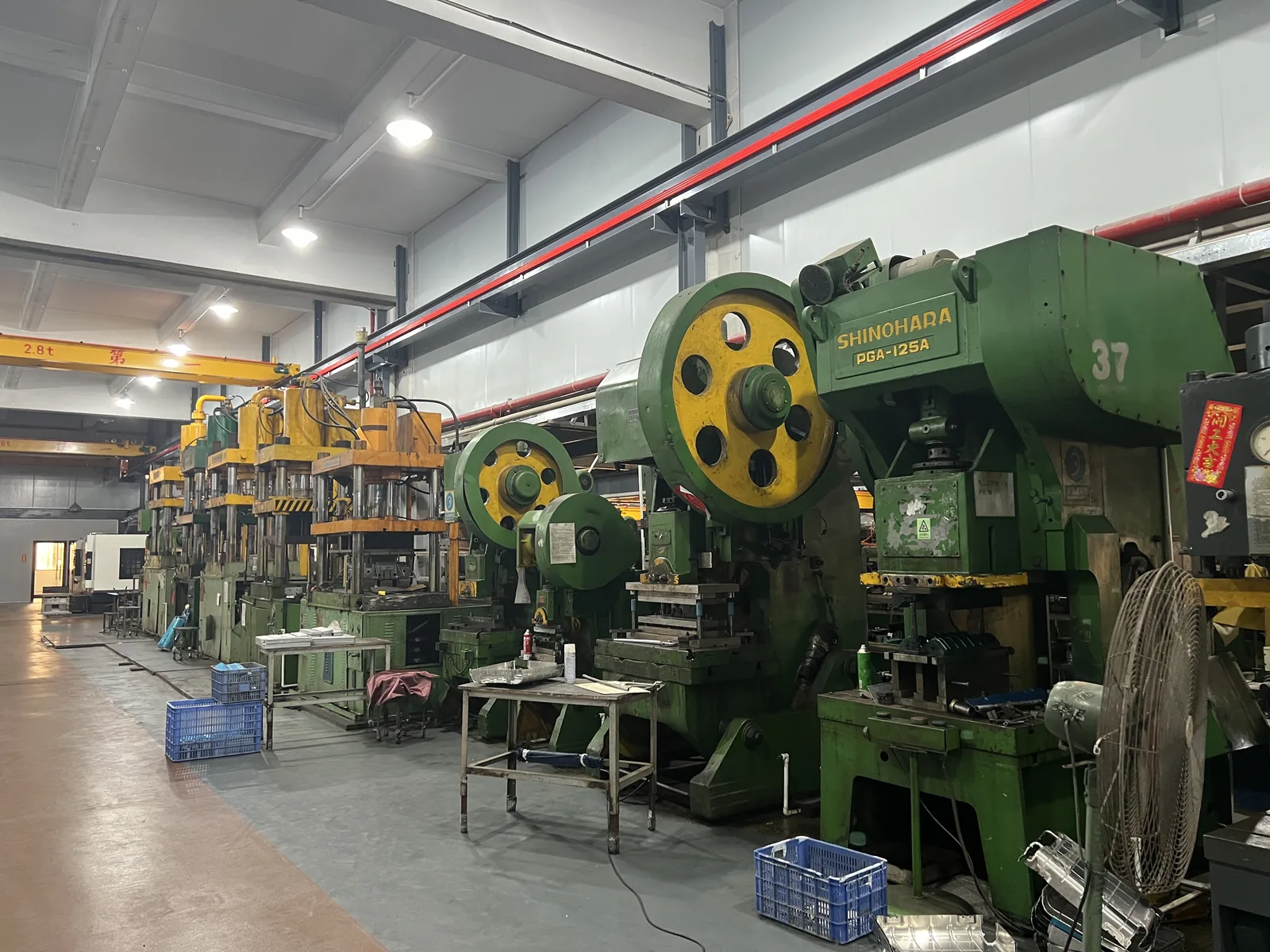
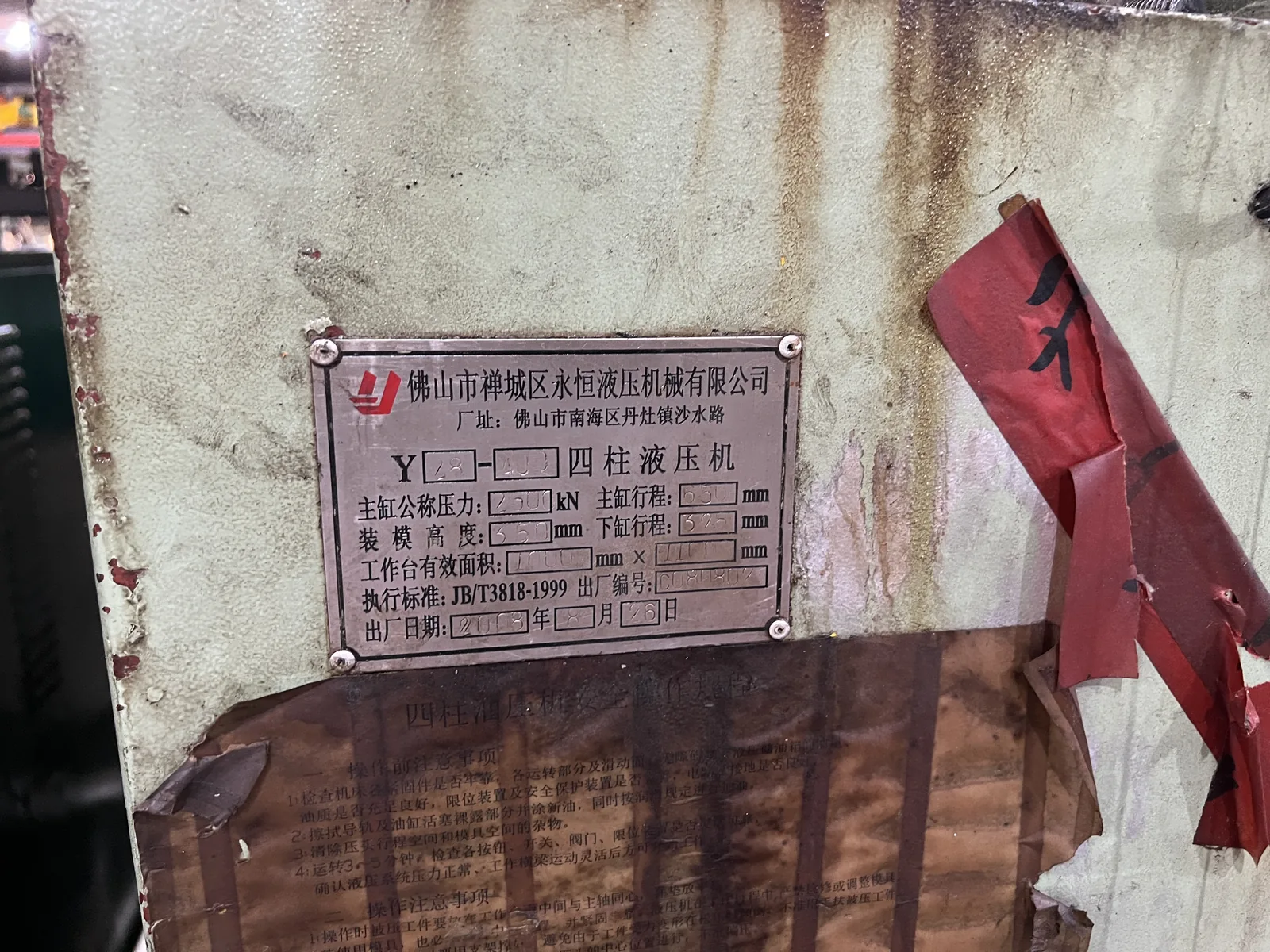
A photograph of the machine nameplate. Model, rated force, bed size, build year. Everyone claims good equipment. A plate is a fact you can check against the manufacturer.
Ask to see the tool room. Dies get maintained somewhere, or they get sent somewhere. Both answers are fine. Not knowing which is not.
A good agent will ask these on your behalf and will not mind you asking them directly. An agent who stands between you and technical answers is a signal in itself.
What does not change either way
Three things stay exactly where they were, whichever route you take, and buyers routinely assume otherwise.
Compliance responsibility. For a US import, the certificate and the obligations sit with the importer. Putting an agent in the middle does not move that.
Tooling ownership. Whose name is on the tool depends on what the tooling agreement says, not on who introduced you. If an agent holds the tooling, ask what happens when you change agents.
The calendar. Specification time, sampling rounds, and the ocean leg are the same lengths through an agent as they are direct. An agent can compress the review loop by being on site. Nobody compresses anodizing.
When each route is the right call
Go through an agent when you are new to the category, when the program spans several suppliers, or when you need somebody on the floor and cannot travel.
Go direct when the product is one category from one factory, when your specification is stable, and when the questions you need answered are technical rather than logistical. At that point an intermediary is relaying answers rather than producing them.
What we do and what we do not
We work with buyers’ agents and we work direct. Our terms are negotiated per program rather than fixed, so the route does not change what the program can be.
Our minimum is 300 units per design, and smaller test batches are negotiable rather than refused. Sampling runs 7 to 15 days per round and bulk is 45 days from a confirmed sample.
We do not treat a buyer’s agent as an obstacle. An agent who inspects and asks hard questions is doing the job we would want done on our own orders.
We also answer process questions in writing, whoever asks them. If a question about the tool, the material, or the line cannot be answered in writing, that is worth knowing about any supplier, including this one.
Frequently asked questions
Is it cheaper to buy luggage direct from the factory?
On unit price usually, on total cost not always. An agent’s fee buys presence, shortlisting, and coordination. If your program is one category from one factory and your specification is stable, those are worth less than they cost. If it spans several suppliers or you cannot travel, they are worth more.
How do I know I am talking to a real factory and not a trading company?
Ask which process makes the shell and why, what shrink rate the tool is compensated for, for a photograph of a machine nameplate showing model and rated force, and to see the tool room. A trading company can answer none of those without making a phone call first.
If I use an agent, who is responsible for compliance?
The importer. For a US import the certificate and the obligations sit with the importing party regardless of who arranged the order. An agent can manage the process. It does not take on the liability.
Written by James
James works at aluvox.com in Houjie, Dongguan. References on this page were checked against the sources linked above in August 2026.