
A children’s product cannot be certified by the factory alone. US law requires third party testing at a laboratory the CPSC has accepted, and a Children’s Product Certificate issued off the back of it. No amount of in house testing substitutes.
If you are adding a kids size to a luggage range, that requirement arrives with it, and it recurs.
What the rule requires
Under 16 CFR 1107.20(a), manufacturers must submit product samples to a third party conformity assessment body for testing to support certification. Section 1107.2 defines that body as a testing laboratory whose accreditation has been accepted by the CPSC.
A copy of the Children’s Product Certificate has to be kept for each product, per 16 CFR 1107.26(a)(1).
And it does not stop at launch. Under 16 CFR 1107.21(a) all manufacturers of children’s products must conduct periodic testing, also through a third party body. The interval depends on the program you run.
| Program | Minimum periodic testing interval | Citation |
|---|---|---|
| Standard periodic testing | At least once a year | 16 CFR 1107.21(b) |
| With a production testing plan | At least once every two years | 16 CFR 1107.21(c)(1) |
| Using an ISO/IEC 17025 accredited lab | At least once every three years | 16 CFR 1107.21(d)(1) |
Source: 16 CFR Part 1107, checked as of August 2026.
The part that catches brands out
Three things, in the order they usually go wrong.
The certificate is not a factory document. It is issued by the party responsible for certification, which for an imported product is generally the importer. Your supplier can hold test reports. The certificate obligation still lands on you.
Testing recurs. A brand that certified once and reorders three years later is not covered by the first certificate if the periodic interval has passed.
A design change can restart it. Change a component or a finish and you have changed what was tested.
Where the cost actually sits
Not in the test itself. In the number of designs.
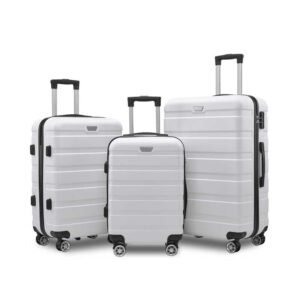
Testing attaches to what was submitted. Three sizes and three colorways is not one test, and a brand that plans a kids range the way it plans an adult range gets a bill it did not model.
The same logic that makes our makeup case minimum run per design rather than per order applies here for a different reason. Consolidate the range before you certify it, not after.
What we do and what we do not
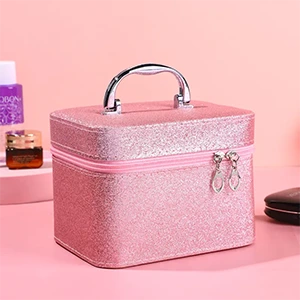
We build kids cases and we can arrange third party testing through an accepted laboratory, with the cost quoted as a separate line rather than buried in the unit price.
We do not issue Children’s Product Certificates and we will not imply that we hold one. That document belongs to the certifying party under 16 CFR 1107, and for an import into the United States that is normally you.
We also will not tell you a kids case is covered because an adult case in the same range was tested. Different size, different components, different submission.
Audit and test reports we hold are released on request at first inquiry. Ask us, and every other supplier, for the issuing body, the report number, and exactly which product and batch the report covers.
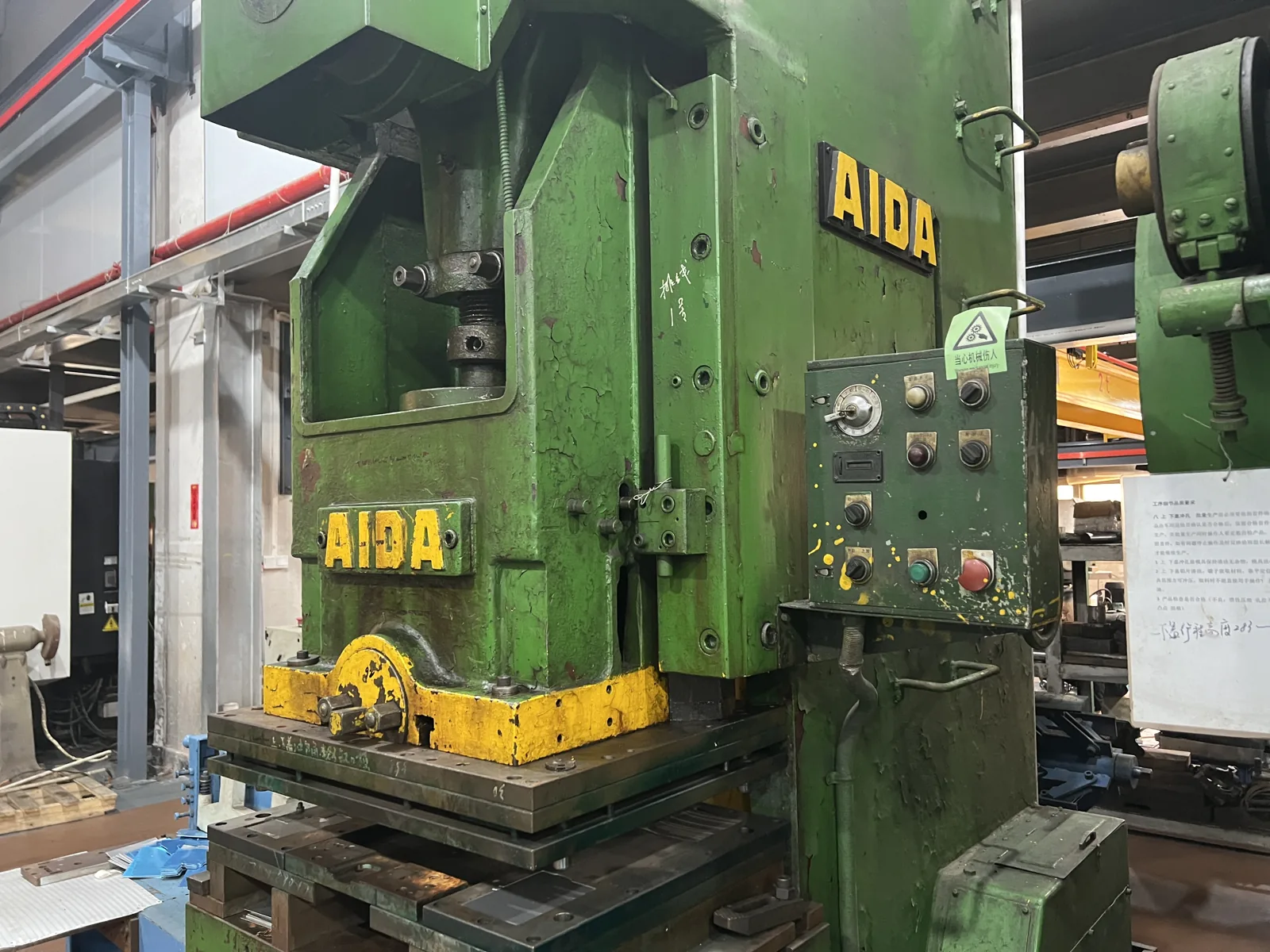
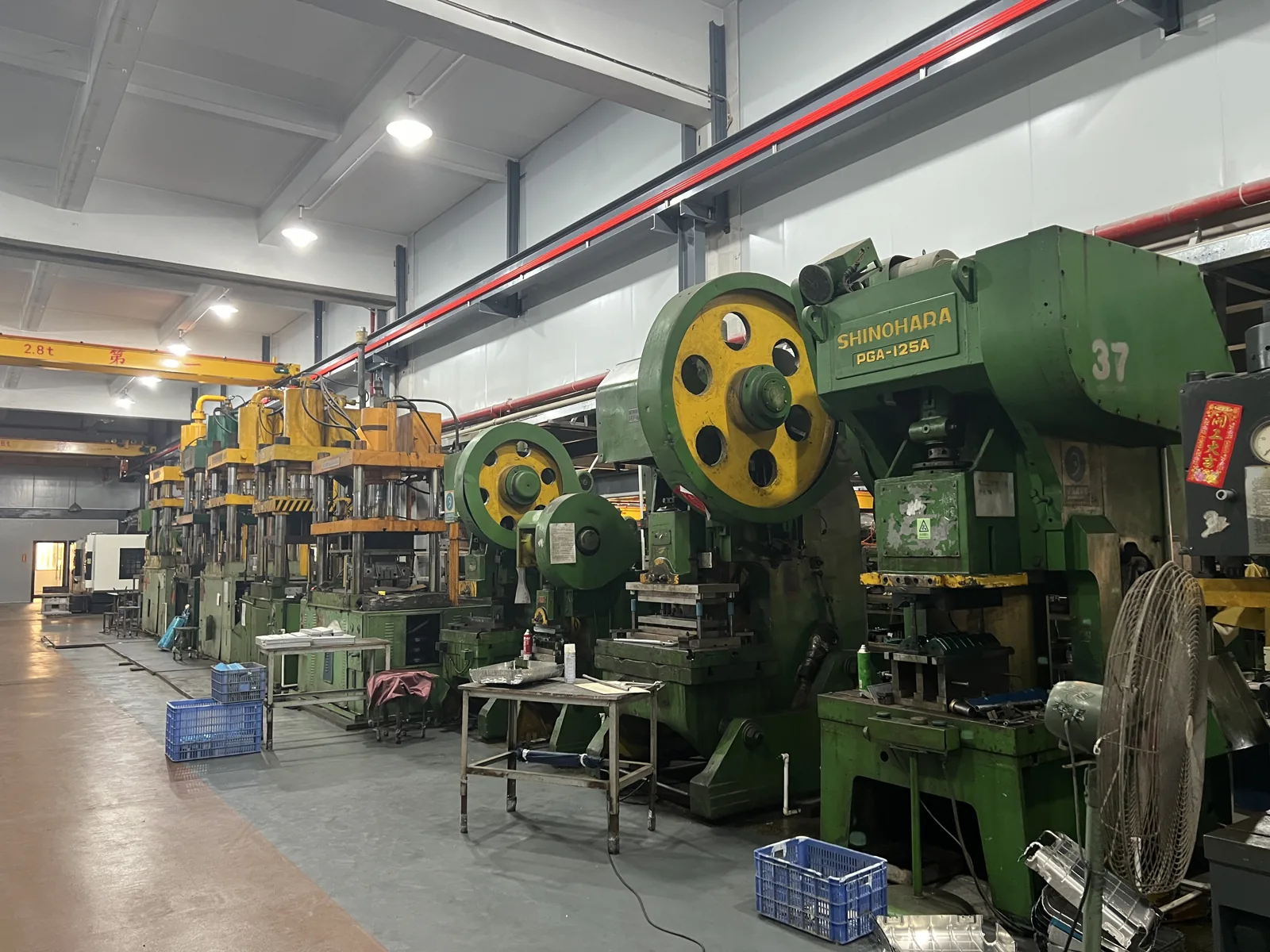
We take orders from 300 pieces on stock 5052 through existing molds, and we quote below that. Sampling runs 7 to 15 days and bulk runs 45 days from a confirmed sample.
If a kids size is going into your next range, tell us at inquiry rather than at drawing sign off, because the testing schedule sits in front of the production schedule rather than beside it.
What this page is not
It is a description of what the rule says and where it lands. It is not legal advice and it is not a compliance plan. The scope of testing for a specific product depends on its components and its intended age group, and that scoping is a conversation between your compliance counsel and the laboratory, not between you and a factory.
Third party testing is not the same thing as third party inspection. One certifies a design, the other accepts a shipment. The second is covered in what an AQL inspection does and does not decide.
The EU has its own version of the same principle, and it applies to every product rather than only to kids items. See who has to be responsible for it inside the EU.
Frequently asked questions
Do you hold any relevant certifications (ISO, BSCI, REACH)?
Audit and test reports are released on request at first inquiry. For children’s products specifically, the Children’s Product Certificate is issued by the certifying party rather than by the factory, and for an import that is normally the importer.
Can you arrange third party testing for a kids luggage line?
Yes, through a laboratory whose accreditation the CPSC has accepted, as required by 16 CFR 1107.20(a). The cost is quoted as a separate line so you can compare it across suppliers.
How often does children’s product testing have to be repeated?
At least once a year under 16 CFR 1107.21(b), every two years with a production testing plan under 1107.21(c)(1), or every three years using an ISO/IEC 17025 accredited laboratory under 1107.21(d)(1).
Does one test cover a whole range?
Testing attaches to what was submitted. Different sizes and different component sets are different submissions, which is why the number of designs drives the cost more than the test does.
What is your MOQ for this type of product, and do you support small test batches?
300 pieces on stock 5052 running existing molds, and we quote below that. Under 300 on new tooling the die cost will not amortize.
What is the estimated production lead time after deposit and sample approval?
45 days for bulk on a confirmed sample. Sampling before that runs 7 to 15 days, and third party testing sits in front of that rather than inside it.
Children’s products carry their own testing regime. Chemical content raises a separate question in California for every category, including the linings and hardware on an adult case, covered in Prop 65 and luggage.
Written by James
James works at aluvox.com in Houjie, Dongguan. Regulatory references on this page were checked against the official source linked above in August 2026. This is not legal advice and the current official text governs.