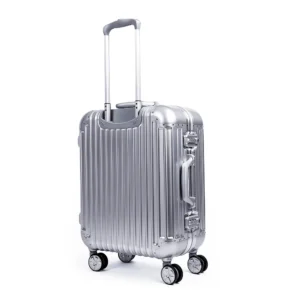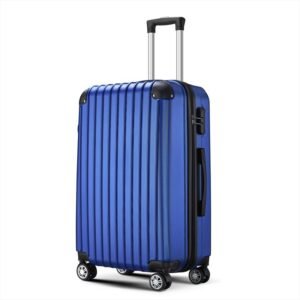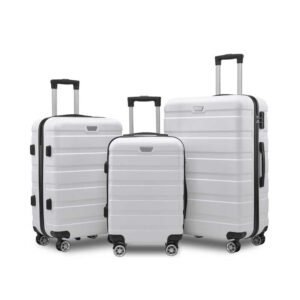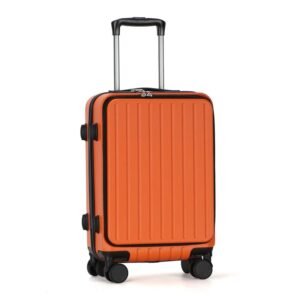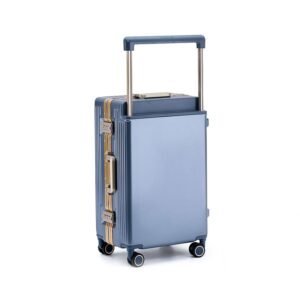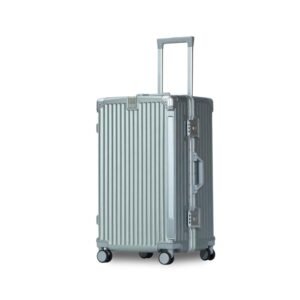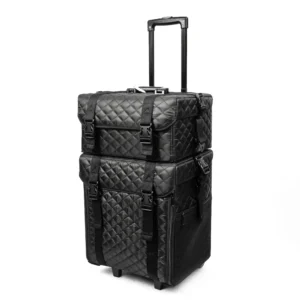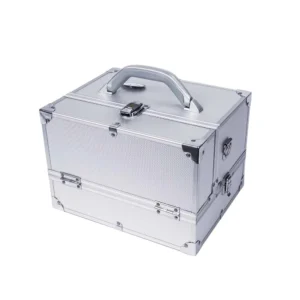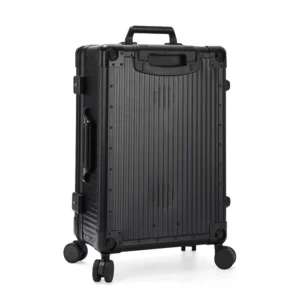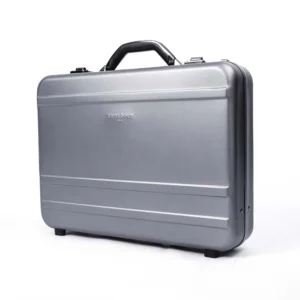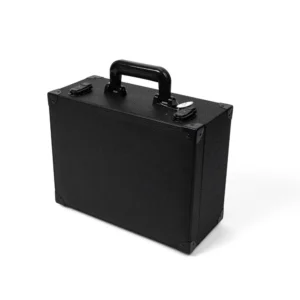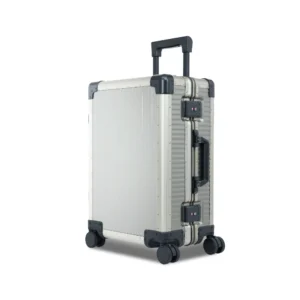

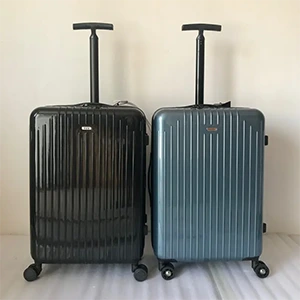
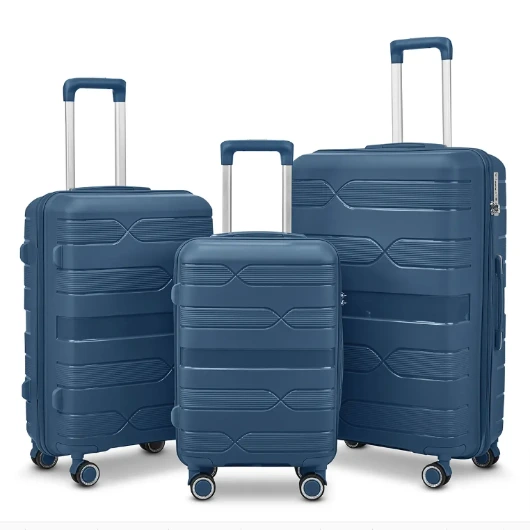
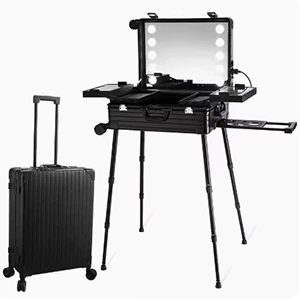
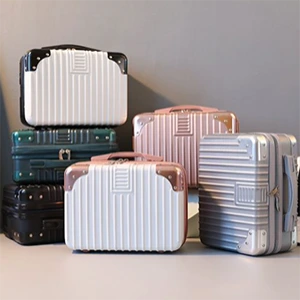

You can start discussing an aluminum luggage project without complete drawings. Send a reference model, the features you want to keep or change, and the planned quantities. For undecided components, describe what you need and we can discuss options. Once selected, the body, parts and packaging can be identified in the quotation.
Together, these product details form your luggage tech pack. Start with annotated photographs and a specification table, then add the choices as they are agreed.
Start with a Reference, Even Without Complete Drawings
First tell us whether you want to modify an existing model or develop a different case body.
If you have selected an Aluvox model, send its number or product link and list the changes. For example, keep the body and telescopic handle, change the color, add an interior storage pocket and place a logo on the front. For parts not mentioned, say whether you want the current configuration or have not decided yet.
If you only have reference photographs, mark the features you want: the shell outline, opening, handle layout or surface appearance. Front, side and open-case views help explain the request. A general description of the look does not show which features you want to retain and which are simply visual references.
With an existing model selected, we can discuss its current configuration first and list changes separately. For a different body shape, add target dimensions, the opening direction and proposed handle and lock positions. The photographs show the appearance you like; these structural requirements help establish which parts can stay and which need development.
Separate requirements that must be met from choices that can change. An overall-size limit, for example, is a selection constraint. A matte-black appearance can be the target while its surface treatment remains open. Tell us early if the budget or warehouse arrival date is fixed so the proposed options can be considered against those conditions.
Prepare the first brief around these items, marking anything still undecided:
- A reference model, photographs or sketch, the intended use and the main changes.
- The required size. For a defined exterior-size requirement, state the measurements, units and what is included.
- The planned quantity of each model and color.
- Any components, branding and packaging already selected.
- The delivery location and required warehouse arrival date, with undecided items listed separately.
For undecided wheels, write: “Quote the current wheel assembly first, then list compatible alternatives, price differences and any mounting changes.” If the delivery location or warehouse arrival date is still open, say so. We can discuss the product first and add delivery pricing and timing when those details are available.
An initial price should identify the reference model, the components provisionally included and changes not yet priced. Once the finish, parts and packaging are selected, confirm a quotation for that configuration. This lets the discussion start before every detail is settled without treating a provisional price as the supply price for any later modification.
If you have a target budget, state whether it covers the cases alone or also development, packaging and transport. The same budget supports different product discussions when its scope changes.
Define the Dimensions and Shell Construction
Do not rely only on “carry-on” or a nominal inch size. State whether you mean shell dimensions or overall exterior dimensions including wheels and handles, then give height, width and depth. Mark the measurement points on a photograph or sketch and use consistent units.
For overall dimensions, retract the telescopic handle and include the wheels, fixed handles and other projecting parts in the maximum measurement along each direction. If you want the reference model’s existing size, say so and ask for its overall dimensions in the specification. There is no need to estimate them from a photograph. List any size limit from your sales channel separately.
Consider dimensions alongside proposed changes. Larger wheels and an unchanged overall-height limit, for example, require a review of the wheel assembly, housing and body together. Changing only the wheel name in the specification does not resolve that relationship. Keep the exterior-size limit in the brief so candidate parts can be reviewed against it.
Describe materials by part too. Aluminum shells with an aluminum frame are a different construction from plastic shells with an aluminum frame. A metallic appearance or a silver frame does not identify the shell material.
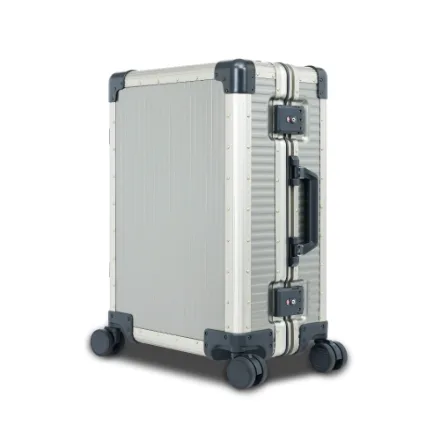
Our TS-006 product page identifies aluminum shells, an aluminum frame, a zipperless closure and TSA combination locks. Starting from that model, you can specify that the existing shells, frame and closure should stay while discussing other changes.
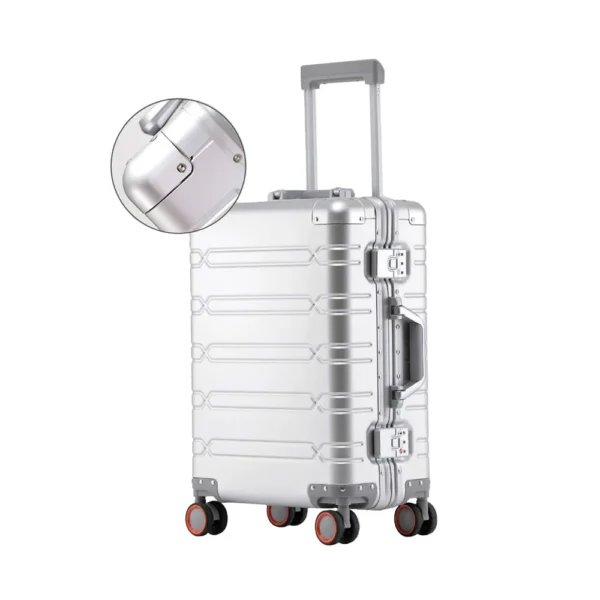
Attach any specified alloy grade, thickness or component model. If you have not specified one, ask to retain the reference model’s materials and have their specifications listed. Alternatively, describe the weight, appearance or use requirement you want to change so we can discuss options for the case. Add the selected specifications to the table.
For a weight target, state whether it refers to the complete empty case or the shell alone. Include the dimensions, closure and configuration that must stay when discussing a lighter version. Asking only for thinner sheet does not define the intended result or identify which other requirements can change.
Specify Components, Branding and Packaging
“Quiet wheels,” “premium lining” and “matte black” describe goals. Also say whether to retain the current configuration or propose an alternative. Identify chosen parts by model number or image, and list optional changes separately.
| Item | What to send | What the quotation should identify |
|---|---|---|
| Color and finish | Color, gloss and texture references; identify changes to shells, frame and hardware separately | The surface treatment and color reference for each affected part |
| Wheels | Retain the existing assembly, or provide candidate models, housing photographs and rolling requirements | The wheel and housing combination, including any mounting changes |
| Telescopic handle | Say whether the change concerns the grip appearance or the handle layout, extension height or locking positions | The selected assembly, mounting location and affected parts |
| Locks and latches | The current or proposed parts, with shape, quantity, position and operating requirements | The specific components and their connection to the frame |
| Lining and organization | An open-case layout marking dividers, pockets and straps to add, remove or move | The interior layout, materials and attachment arrangement |
| Logo | Artwork, size and position; describe the desired result if the application method is undecided | Application method, position and separately charged preparation |
| Packaging | Protective or branded packaging, accompanying items, labels and packing requirements | Packaging included in the case price and items quoted separately |
If the finish is undecided, write: “Matte-black shells with the silver frame retained. Please propose suitable surface treatments for this model and provide color references.” The color requirement is clear while the process remains open for discussion.
Show how wheels, handles and locks mount. For a candidate component, provide its model, dimension drawing or clear photographs of the connection. If you only have a use requirement, ask us to propose parts for the selected body. Similar-looking components can have different mounting positions and space requirements, so a front photograph alone is not enough to establish a replacement.
Changing the color of a handle grip is different from moving the entire telescopic assembly to a wider position. The first concerns the existing part’s appearance. The second also involves the assembly, case back and interior space. Mark the intended change so the quotation can account for the work it affects.
When the interior is undecided, describe the storage problem. Suppose a buyer needs clothing separation and cable storage but has not chosen between pockets attached to the divider and a separately removable pouch. Keep the case, size, main layout and intended storage requirement the same, and compare two options:
| Interior option | Arrangement | Information for the quotation |
|---|---|---|
| A: divider with attached pockets | Cable and small-accessory pockets on the zippered divider. | Mark pocket positions, intended contents and opening direction, plus the dividers and straps to retain. |
| B: divider plus removable accessory pouch | Retain the divider and supply a pouch that can be taken out separately. | Identify intended contents, the placement area and whether attachment is required. Include the pouch and any fixing parts in the complete configuration. |
How should the buyer choose A or B? Review A for small items assigned to fixed compartments, or B when accessories need to be removed together in a pouch. Agree on the intended contents, fabric and padding requirements first. Then request pocket positions, attachment details, complete configured weight and unit price for each option, keeping the body, wheels and other supply conditions unchanged. Before sampling, identify estimated weights as estimates; update them with measured values for the corresponding finished configuration when available. If fabric is undecided, name the material used in each quotation so a fabric difference is not mistaken for a layout difference. If pocket dimensions are undecided, provide actual contents dimensions and a placement sketch for a layout review rather than inventing a width and height.
Once an option is selected, update the quote to match it. If B is selected, add the pouch material, dimensions, attachment and quantity supplied per case to the specification, then obtain the revised quotation for B. Move A to the alternatives record. Later changes to padding, pocket position or opening should update the drawing and configuration before the quote is reviewed again. Keep the two options distinct in the order.
Give finished logo dimensions and placement references. Send clear artwork with the mark’s width, height and position relative to a frame or fixed edge. For a badge, say whether the size describes the graphic or the complete badge. Discuss the appearance first if the application method is open, then supply the production artwork for the selected method. A rendering alone does not define the finished size and installation position.
Match packaging to the unit supplied. State whether cases are individually packed or supplied in an agreed set. List protection, labels, instructions and branded boxes separately. Keep an optional branded box outside the base configuration until selected, then update the packaging and delivery quotation. The case price should identify the packed product it covers.
Once the options are identified, the charges can be matched to the configuration. For a breakdown of case prices, development and delivery costs, see our aluminum luggage quotation and cost guide.
A Worked Brief for a TS-006 Modification
Consider a TS-006 brief that changes the color and interior. Suppose the first inquiry is for one size, with 200 silver cases and 100 matte-black cases, while the wheel choice is still open. The brief could read as follows:
| Item | Requirement for this inquiry |
|---|---|
| Base model and construction | TS-006; retain the existing shells, frame and closure |
| Dimensions | Price the existing model size and list overall dimensions including wheels and handles |
| Quantities and colors | 200 silver; 100 matte black. Confirm feasibility for each color and quantity first; the matte-black finish remains to be selected |
| Wheels and handle | Use the current configuration as the base option; list compatible wheel alternatives and their price differences separately |
| Interior | Retain the main layout and discuss adding a zippered storage pocket at the marked position; list the change separately |
| Logo | Add branding to the front; artwork and proposed size and position attached, with a suitable application method to be proposed |
| Packaging | Identify protective packaging in the base quote; list a branded outer box as an option |
| Delivery | United States destination; warehouse arrival date to follow; quote freight separately from the cases |
This brief supports an initial discussion and comparison. While the wheels are undecided, use the current assembly in the base price and list alternatives separately. Until the matte-black treatment is selected, mark its price as pending confirmation rather than a confirmed unit price.
Once selected, add the wheel model, finish, interior drawing and logo method to the table and quote that configuration. Identify the size, color, configuration and quantity on each quotation line. Exclude unused options from the current total.
Match attachments to the table. The current model photographs establish the starting point; the marked interior shows the proposed pocket; the logo artwork defines size and placement. If reference images come from different models, identify the feature taken from each rather than leaving conflicting outlines or openings as simultaneous requirements.
The resulting quotation should let you identify each model and color’s configuration, quantity and pricing unit, what its unit price includes, separately charged items and the delivery point. Where a part is still a proposal, select it or identify the option provisionally priced. A choice of several alternatives does not mean they are all included.
Update the Specification and Quote When Choices Change
Show the original choice alongside its replacement when requesting a change. We can then review the parts, drawings and charges before issuing an updated quotation.
Different wheels: identify the new model and any mounting changes. State whether the revised unit price includes those wheels. If only a price difference is listed, identify the base price it is added to.
A revised interior: update pocket, divider and strap positions and materials, so an old layout is not priced while a new drawing is used for the sample.
A different logo method: update the artwork, size, position and application. Check whether the original preparation charges still apply and whether new charges are needed.
In the example above, selecting an alternative wheel assembly means the new quotation should identify whether both colors use it, with quantities and unit prices for each. Keep the original wheel option for comparison if useful, but exclude it from the current total. List additional development, mounting adjustments or sample work separately, without adding charges already included in the unit price a second time.
Suppose the discussion leads to keeping the current silver configuration, while the matte-black version uses the selected new wheels, an added storage pocket and a branded outer box. The initial modification brief now needs two separate supply configurations:
| Item | At the initial inquiry | What the updated quote should identify |
|---|---|---|
| 200 silver cases | The current model as the starting point | Retained wheels, interior and packaging, with the unit price for that configuration |
| 100 matte-black cases | Wheel, interior and branded-box options still open | Selected wheels, pocket layout, finish reference and branded box; a unit price for that combination |
| Additional preparation | Potential changes identified | Development, tooling or sample work actually required, with charges included or listed separately |
| Delivery scope | Destination known, arrangements incomplete | The packing arrangement, delivery point and whether freight is included |
The color quantities have not changed, but the wheel price difference should not be applied to the entire order when only the black version adopts the new assembly. The added pocket and branded box also belong to that configuration. Price the silver version against the retained specification.
Check the configuration, quantities, unit prices, separate charges and delivery scope in the revised quotation, and identify its specification date or revision. Recheck pricing if quantities, packaging or the delivery location also change. List any additional sample work with the changes; for physical checks and rechecks, see our sample review and revision guide.
After selecting the options, issue one complete revised specification and move unused alternatives into the comparison record. Separate chat messages should not replace the wheel, interior and packing requirements independently. If a different detail is later accepted on a physical sample, add it to the specification and check whether the original quote still applies. Reconfirm changes to delivery conditions or quotation validity too.
Send the reference model, features to keep or change, and planned quantities to discuss custom aluminum luggage. For undecided items, describe the options you would like us to propose.