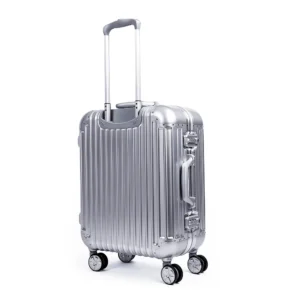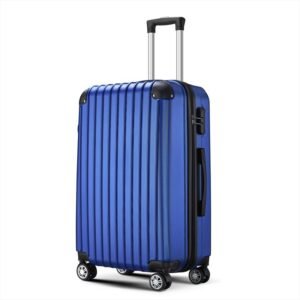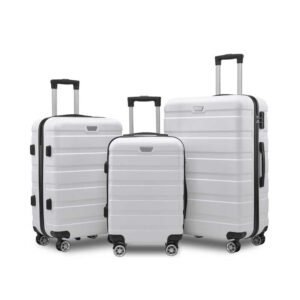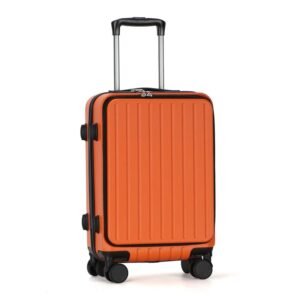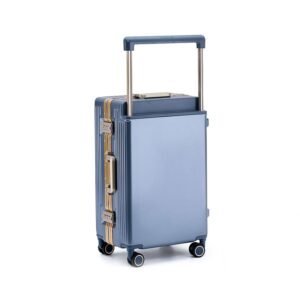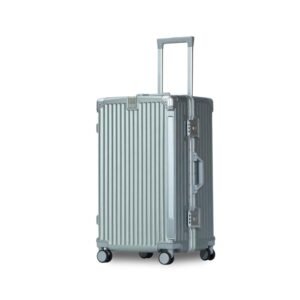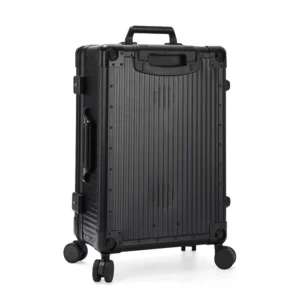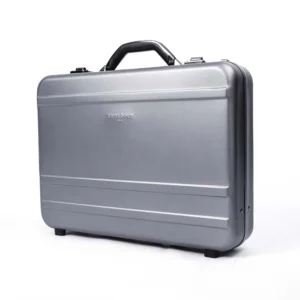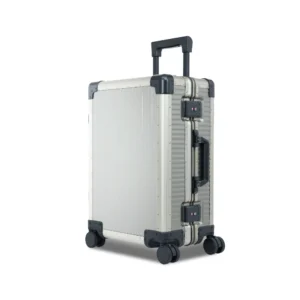

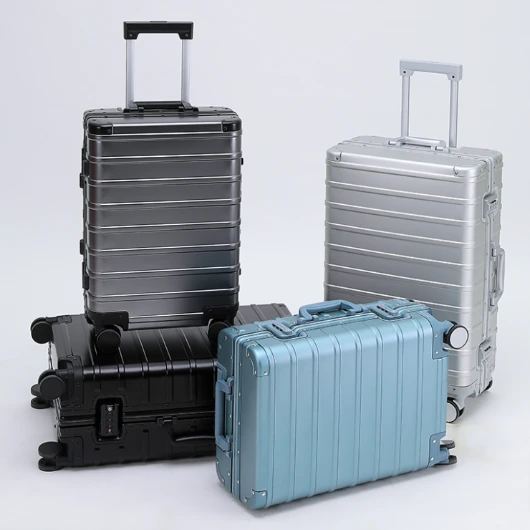
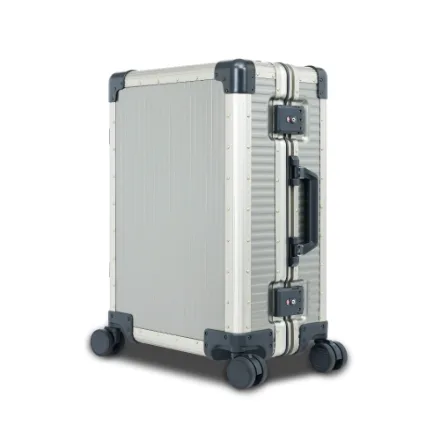
Components throughout our aluminum luggage can be replaced, including complete wheel assemblies and handles. For a brand or wholesale buyer, the next step is to connect that capability to the products you order: which replacement fits each configuration, who will install it, and how parts will reach your service location.
At Aluvox, we arrange spare parts around your needs. We can prepare a batch of parts based on the total luggage order quantity, or arrange later shipments as needs arise. The parts, quantities, and delivery arrangements are agreed for the selected models and your after-sales setup.
This guide explains how to plan repairable aluminum luggage and spare parts across a product range, from the first sample to repeat orders.
Match replacement parts to the actual case
A replaceable component still needs the right fit, installation method, and supply arrangement.

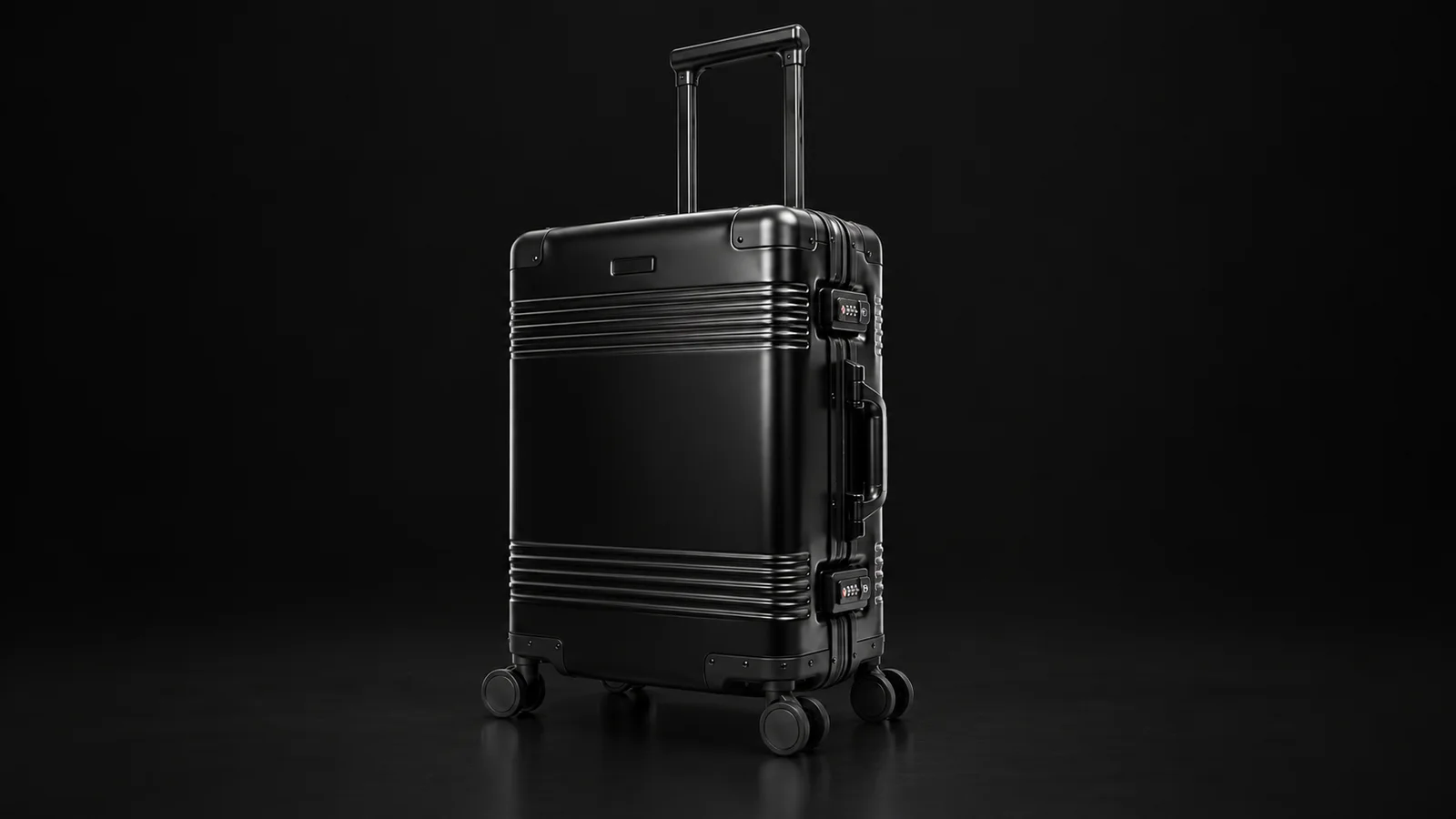
Our TS-004 aluminum luggage, for example, is listed with removable 360-degree wheel assemblies and 20-, 24-, and 28-inch size options. These give us a specific model and size range to work from when discussing parts.
Replacement capability extends beyond the wheels. However, it does not mean every size uses the same component or that every part can be changed in the same way. For your chosen configuration, we need to identify the replacement unit, its mounting requirements, and the person who will carry out the work.
- Replacement unit: an individual part or a complete assembly, including any mounting pieces it requires.
- Fit: the case model, size, installation position, and configuration to which it belongs.
- Installation: the access, tools, and instructions needed by the customer or service staff.
Damage around a component also needs attention. If a wheel area has a problem, send photographs of both the wheel assembly and its mounting area. Damage to the shell, frame, or attachment point needs assessment alongside the component; sending a new wheel assembly alone may not address it.
When your brand describes repairability, explain the available replacement route and how customers can get help. Confirm the installation requirements before presenting a particular replacement as a task customers can do themselves.
Identify the configuration and what each spare includes
A series name is not enough to identify a compatible replacement.
A range may contain several sizes and colors, and a repeat order may introduce a different configuration. A product name or front-view photograph may not show which component was fitted. When reviewing a spare-part request, we need details that connect it to the original order and case.
For a carry-on and checked-luggage range, list the components for each size during sample approval. Parts confirmed as interchangeable can be grouped for stocking. Different mounting positions, sizes, or versions should remain separate.
The example below shows what a part record can contain. The bracketed entries are fields to complete for the order, not confirmed specifications for every TS-004.
| Record item | Example entry |
|---|---|
| Product | TS-004 / [ordered size] / [order or configuration version] |
| Component | Wheel assembly / [part identifier or reference photograph] |
| Position | [Mark the position on a case photograph; distinguish sides or positions where relevant] |
| Supply unit | [Complete assembly or the specific replaceable part] |
| Mounting hardware | [Included items, retained items, and anything needed separately] |
| Appearance | [Color and finish requirements] |
| Quantity | [Quantity requested for this shipment] |
This record can connect the quotation, package labels, and later requests. If there is no separate part code, photographs and a project reference can provide a starting point for identification.
Also define what “one part” means. “One wheel” could refer to the wheel itself or a complete wheel assembly with its mounting base. Depending on the construction, check whether screws, washers, brackets, or other mounting items are included or retained from the case. The main component arriving without the necessary hardware can leave the replacement unfinished.
Our luggage wheel guide covers wheel materials, construction, and selection. Here, the task is to identify and replenish the configuration you have chosen.
Keep parts locally or request them later?
Local stock needs space and inventory control. Later shipments require time for supply and transport.
We can discuss preparing parts against your luggage order quantity, supplying them later according to need, or combining the two arrangements.
Keep a batch at your service location
When the part fits and someone locally can carry out the work, it can be issued without waiting for a new international shipment. Allow for the cost of the parts, freight, storage, and identification across models.
Request parts after a need arises
This lets us check the actual issue and required quantity before arranging supply. Consider availability at that time, preparation and transit time, freight costs, and how long your customer can wait.
Stock selected parts and request others later
Concentrate local stock on the parts you have decided to reserve. Keep a clear distinction between items held locally and those that still require a supply check.
These are planning options, not a statement that every component is held in stock or has a fixed dispatch time.
For an order containing several sizes or configurations, assign quantities to the relevant parts. If two wheel assemblies are not interchangeable, record each separately instead of listing a single total for “spare wheels.” Agree whether the parts will travel with the cases and how they will be packed and identified.
If you already sell the same configuration, bring your actual parts-request records into the next order discussion: which components were needed, which batch they belonged to, and whether the replacement resolved the issue. Keep records for different configurations separate. If the same problem repeats, send the symptoms and supporting material for assessment rather than relying only on a larger stock of spares.
For a new model without that history, agree on the initial quantities for the project. An estimated spare allocation is not a measured failure rate or a universal percentage.
Check replacement access on a sample
Assess the parts, tools, access, and instructions together for the people who will handle after-sales work.
A DTC brand may want customers to replace a component themselves. A distributor may use local service staff, while another brand may bring cases back to a central warehouse. These arrangements need different levels of identification, packaging, and instructions.
If repairability will be part of your product description, we recommend including the planned replacement operation in sample review. Record the following:
| Check | What to record |
|---|---|
| Access | Where the attachment points are reached, and whether the lining or another component needs to be opened or removed. |
| Tools and hardware | What the recipient needs to provide and which mounting items come with the replacement. |
| Identification | Whether photographs and labels match the actual part and position, including any easily confused components. |
| Operator | Which steps the intended user can follow and which should be handled by service staff. |
| After installation | Whether the component is secure, moves or operates correctly, and allows the relevant case functions to work normally. |
These are proposed review points, not a claim that every existing model has completed a single standardized replacement test.
For customer-installed parts, pay particular attention to identifying the correct location and explaining tools and access requirements. For service staff handling multiple models, focus on model identification, parts storage, and the relevant instructions. An easy wheel replacement does not establish the installation method for every other component.
For handle layout and development decisions, see our telescopic handle sourcing guide. This article focuses on the service arrangement after a configuration has been selected.
Keep older cases supported when the design changes
A new-order configuration does not automatically fit cases already sold.
A repeat order may introduce different wheels, handles, locks, or hardware colors. Keep the replacement needs of previously sold cases separate from the new specification.
Retain the old configuration reference
Keep component photographs and the original order details. Identify the new configuration separately so that parts with similar names are not mixed in storage.
Check interchangeability before issuing a new part
If the old and new parts are not directly interchangeable, discuss whether the original component can still be supplied or whether an alternative needs assessment. A similar appearance is not enough to establish fit.
Check appearance separately from function
A replacement may fit but differ in color or finish. If your range requires replacement parts in the original color, raise that requirement when placing the order and discuss how those parts should be prepared.
For a series intended to stay in your range over a longer period, tell us the service period you want to support. Part retention, later sourcing, and alternatives need project-specific agreement; replacement capability alone does not establish unlimited availability of the original part and color.
Agree on parts, freight, and delivery separately
Check the supply arrangement against the service promise your brand intends to offer.
Establish whether the initial spares are included in the case quotation. For additional parts or a later shipment, confirm the part cost, packaging, available quantity, and timing. Freight also needs an agreed destination, shipping method, and allocation of costs.
Delivery to a brand warehouse, distributor, or another address is a separate arrangement. Tell us where you want the parts sent so we can confirm the available options. Do not assume every later shipment can go directly to an individual consumer.
If your brand plans to provide repairs or parts for a stated period, share the intended scope with us first. Parts availability, installation responsibility, transport, and other service costs should be addressed before that commitment is made to customers.
Send the model details and the problem together
Identify the order and affected area before deciding what to send.
After delivery, send us the model, a description of the problem, and photographs when you need to discuss a replacement or parts shipment. We will check the order and configuration, assess the issue, and discuss the response with you.
- The original order or purchase record, case model, and size.
- A photograph of the whole case, plus close-ups of the affected component and surrounding mounting area.
- The actual symptom, such as difficulty extending, rolling, or closing. Add a video when a still image does not show it clearly.
- The quantity and batch involved, and whether a component has already been replaced.
- The delivery region and who is expected to carry out the work.
Include any component identifier or previously agreed configuration record. If the information is incomplete, send the photographs and description you have; there is no need to delay the initial discussion while preparing a full document.
We recommend keeping a short record of the symptom, configuration, action taken, and outcome. It helps identify the next part request and distinguish an issue resolved by replacement from one that needs further assessment.
Plan spare parts with your luggage order
Start with a reference model, size mix, estimated order quantity, and sales region. Tell us whether you want to hold parts locally and who will handle replacements.
As we review the sample and quotation, establish the components, compatible configurations, quantities, mounting hardware, delivery, and costs. For a range you intend to reorder, include compatibility after design changes and the conditions for later supply.
Explore our aluminum luggage range or discuss a private label luggage project with Aluvox. We can plan a batch of spare parts around your order quantity or discuss later supply according to actual needs, with the details agreed for your project.