




California asks you to warn. Europe asks you to know, and then to tell three different audiences on three different timetables.
The obligations are not hard to satisfy. They are hard to satisfy late, because they all run on data that has to come from the factory before the goods ship.
Three duties, and they are not the same duty
Inclusion of a substance on the REACH Candidate List triggers obligations that fall on different parties and on different clocks.
Telling your customers. EU or EEA suppliers of articles which contain substances on the Candidate List in a concentration above 0.1% w/w have to provide sufficient information to allow safe use of the article to their customers. On a consumer request, that information has to be provided within 45 days of the receipt of the request.
Telling ECHA. Producers or importers must notify ECHA where the substance is present above 0.1% w/w and the total quantity exceeds one tonne per year per entity, no later than 6 months after the inclusion in the Candidate List. The duty falls away where the producer or importer can exclude human and environmental exposure during use and disposal and supplies appropriate instructions.
Telling the waste system. EU suppliers of articles containing Candidate List substances above 0.1% w/w when placing them on the EU market have to submit information on those articles to ECHA, through the SCIP database.
Source: ECHA, obligations arising from the Candidate List, checked as of August 2026.
Note the 45 days. It is the only one of the three that a member of the public can start, and it does not care whether your supplier answers emails quickly.
The number you should not copy from anybody
Search this subject and you will find supplier guides quoting a precise count of substances on the Candidate List. Different guides quote different counts.
They are all going to be wrong eventually, because the list is added to. A count is a fact with an expiry date, and a compliance document built on one silently stops being true. Check the list itself on the day you assess, and record that date next to the result.
That is the same discipline as the California list, which we wrote about in our note on Prop 65 and luggage. Both lists move. Neither cares that your assessment was correct in 2024.
The calculation question that decides the answer
Here is where a suitcase gets interesting, and where most guidance goes vague.
The threshold is 0.1% by weight. Of what? A zipper slider weighs a few grams. A suitcase weighs several kilograms. Whether the percentage is computed against the component or against the whole case changes the answer by three orders of magnitude, and therefore decides whether you have a duty at all.
This was litigated. Case C-106/14, decided 10 September 2015, concerns exactly this question, the 0.1% w/w threshold under Articles 7(2) and 33 as applied to articles incorporated in a complex product. Source: Case C-106/14, EUR-Lex, checked as of August 2026. Read the ruling itself before you settle your calculation basis, and take that reading from a lawyer rather than from a factory.
What matters commercially is that the sourcing action is the same either way. If the threshold applies per component, you need per-component data. If it applied to the whole case, you would still need per-component data to compute the total. There is no version of this where a single declaration covering the finished suitcase is enough.
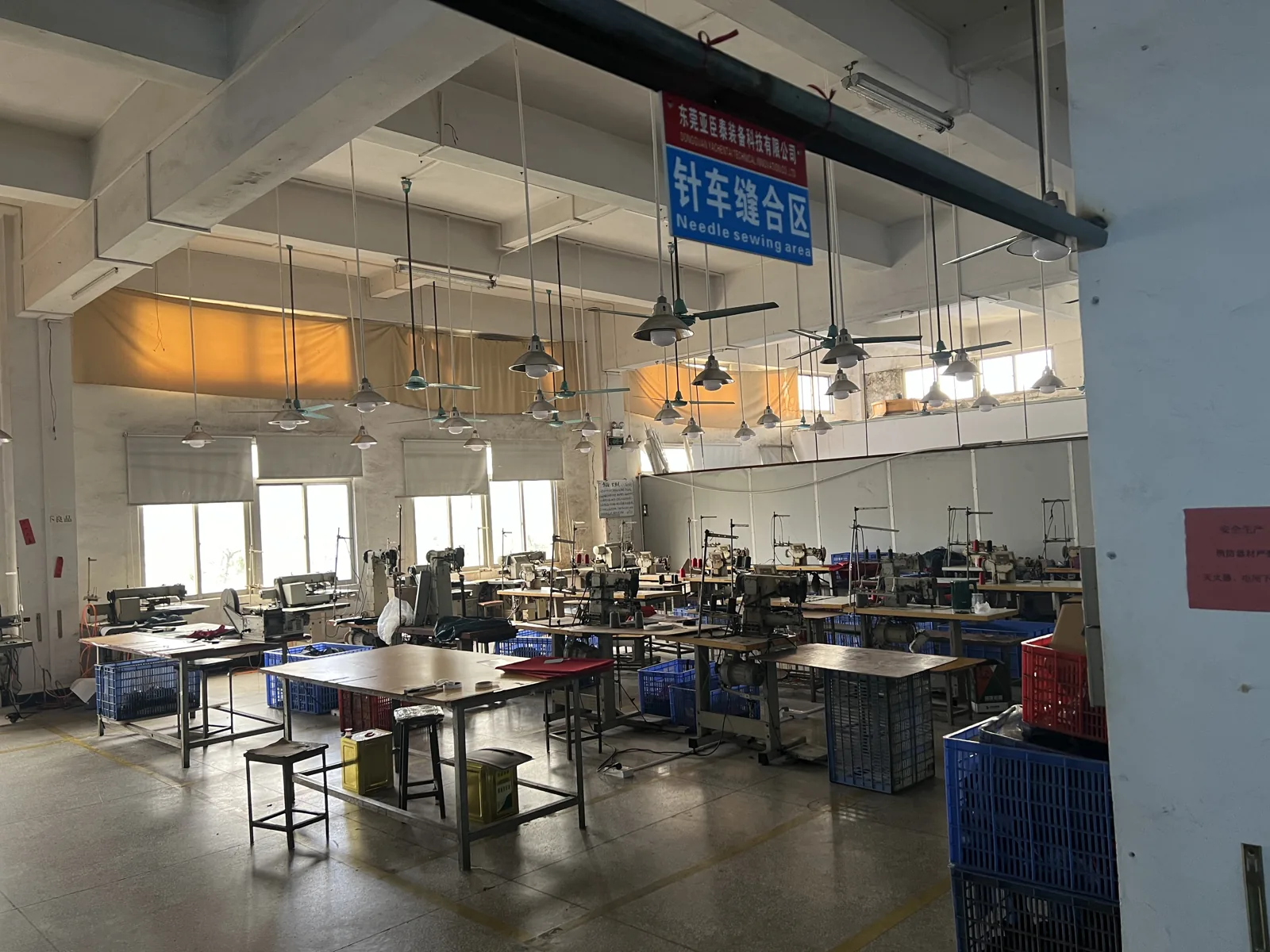
Where it sits in a luggage bill of materials
The same short list as the California question, for the same reason. Soft PVC linings, piping and trim. Coatings, prints and laminates. Plated and painted metal hardware. Elastomer wheels and grips. Adhesives.
Two things change for Europe. Packaging is in scope as an article in its own right, which puts the carton and any printed insert on the list, covered in our note on export packing and marks. And the data has to be structured well enough to submit, not just filed, because SCIP is a database rather than a folder.
Which components a program has at all is decided at specification stage. A case built from catalog parts inherits whatever those parts contain, while a case built on your own tooling is a list you chose, and that fork is covered in our note on what a tech pack has to contain.
Who actually carries this
Read the wording again. EU or EEA suppliers. Producers or importers. EU suppliers placing articles on the EU market.
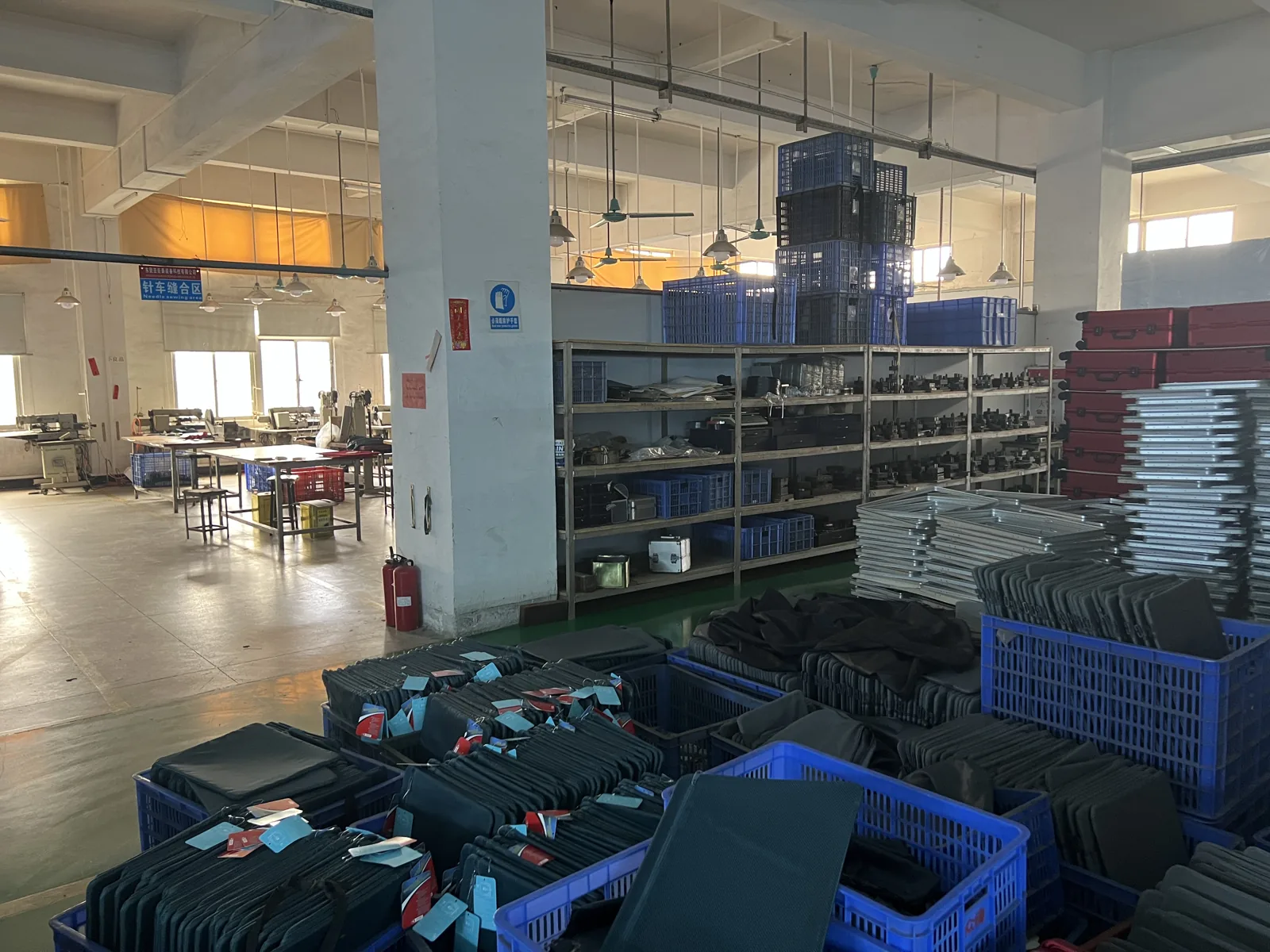
Every one of these duties attaches to a party established in Europe. A factory in Dongguan is not one, in the same way it cannot be your responsible economic operator under the general product safety rules, which we set out in our note on what GPSR requires. The obligation is yours. The evidence is ours to supply.
That division is worth stating in the contract rather than assuming, alongside the component change notification term that keeps any of it current. Whether a change actually gets caught before it ships is an inspection question, covered in our note on pre-shipment inspection.
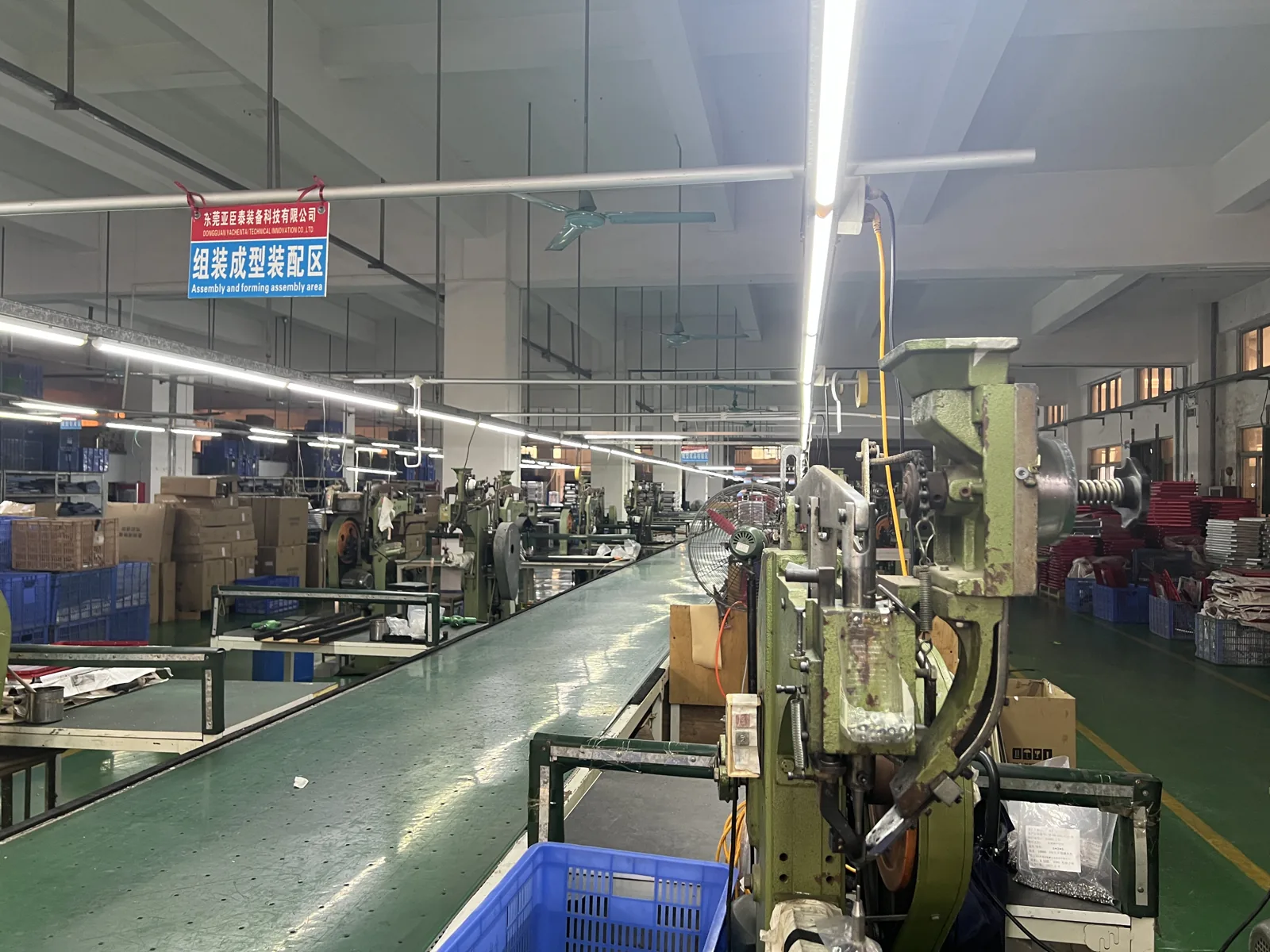
What we do and what we do not
We build to the restricted substances list you provide and supply material declarations for the components you name, at the level of detail a submission needs rather than a summary paragraph.
We support third party testing at your nominated laboratory, and we release the audit and test reports we hold on request at first inquiry.
Our minimum is 300 units per design, and smaller test batches are negotiable rather than refused. Sampling runs 7 to 15 days per round and bulk is 45 days from a confirmed sample.
We do not issue REACH compliance certificates. There is no such certificate under the regulation, and a document that names one is describing something that does not exist. What exists is data about what components contain, and that we can give you.
Frequently asked questions
Does our Chinese factory need to be REACH compliant?
The duties in question attach to EU and EEA parties. ECHA describes the information duty as falling on EU or EEA suppliers of articles, the notification duty on producers or importers, and the SCIP duty on EU suppliers placing articles on the EU market. A factory outside the EU cannot discharge them. What it can do, and what you should require in writing, is supply the material data those duties are satisfied with.
How long do we have to answer a consumer asking about SVHC content?
Forty-five days from receipt of the request, under the Candidate List information duty. That clock starts with a member of the public rather than with a regulator, which is why the underlying component data needs to be on file before the first order ships rather than requested when a question arrives.
Is a REACH certificate from the supplier enough?
There is no REACH certificate. The regulation creates information, notification and submission duties, not a certification scheme, so a document titled REACH certificate is at best a self declaration. What is worth having is per-component material declarations and test reports from a laboratory you nominated, plus a contractual obligation on the factory to tell you when a component supplier changes.
Written by James
James works at aluvox.com in Houjie, Dongguan. Regulatory references on this page were checked against the official sources linked above in August 2026. This is not legal advice and the current official text governs.