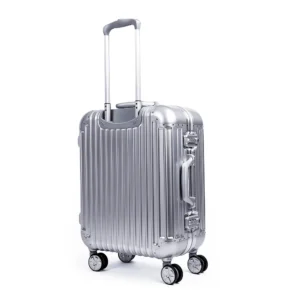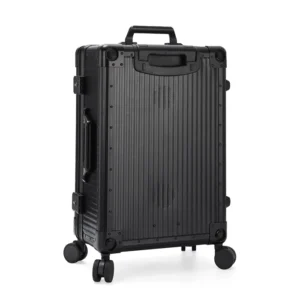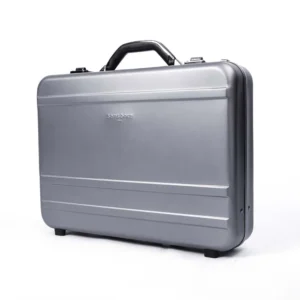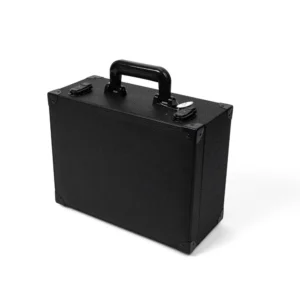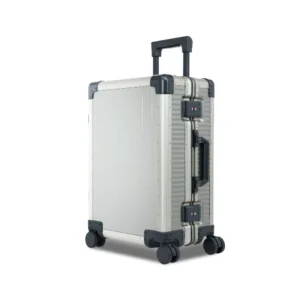

The California warning label is not the compliance work. It is what a brand does instead of the compliance work, and it is a defensible choice, but it should be a choice rather than a default.
Most suppliers will offer to print the label. Very few will tell you what it costs you to need one.
What the law actually requires
Proposition 65 requires businesses to provide warnings about significant exposures to chemicals on a list maintained by the state. The current list is dated 31 July 2026, and the state describes it as containing a wide range of naturally occurring and synthetic chemicals listed for cancer or reproductive harm, or both, including additives or ingredients in pesticides, common household products, food, drugs, dyes, or solvents. Source: OEHHA, the Proposition 65 list, checked as of August 2026.
The list moves. A product assessed against a list from three years ago has been assessed against a different law.
One entry matters more than the rest for this category. Di(2-ethylhexyl)phthalate, DEHP, the plasticizer that makes PVC soft, is listed as causing cancer from 01/01/1988 and as causing developmental toxicity and male reproductive toxicity from 10/24/2003. Source: OEHHA, DEHP listing, checked as of August 2026.
The part that costs money
Proposition 65 is not mainly enforced by the state. It is enforced by private parties, and that changes the risk profile completely.
California law requires any person suing in the public interest to enforce Proposition 65 to notify the Attorney General of the lawsuit and the outcome. Source: California Attorney General, Proposition 65, checked as of August 2026. Penalties for failing to provide warnings can be as high as 2,500 dollars per violation per day. Source: P65Warnings.ca.gov, FAQ for businesses, checked as of August 2026.
Read those two facts together. Anyone may start the process, the exposure is per unit and per day, and most matters settle rather than reach a judgment. That is why the first contact a brand usually has with this law is a notice letter, not an inspector.
Where it lives in a suitcase
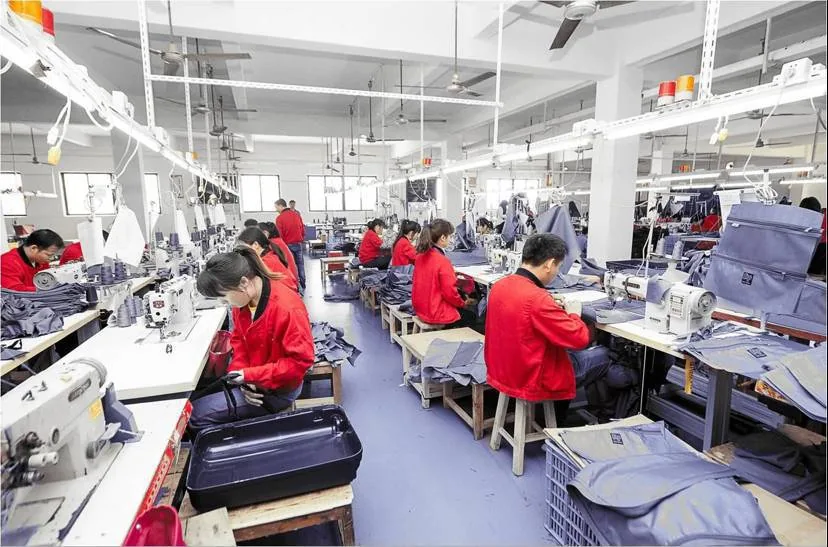
Nobody puts a listed chemical in a case deliberately. It arrives with the components.
Soft PVC. Lining, piping, trim, luggage tags, and the coating on some fabrics. This is the usual place phthalates turn up, because that is what makes PVC flexible.
Coated and printed surfaces. Prints, laminates, and coatings on interior fabric.
Plated and painted metal. Zipper pulls, feet, corner protectors, lock bodies, rivets. Small parts, and the ones a hand touches most.
Wheels and grips. Elastomers and their compounding additives.
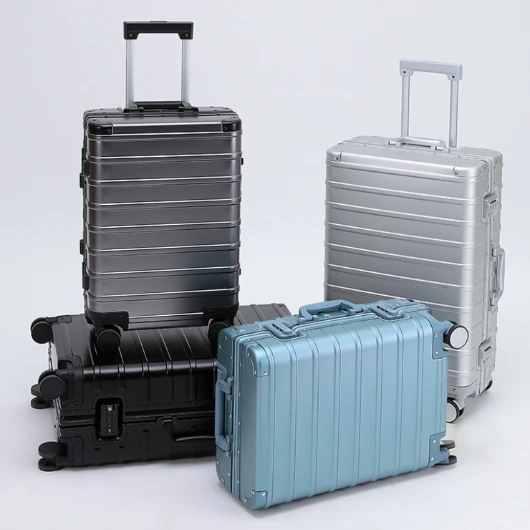
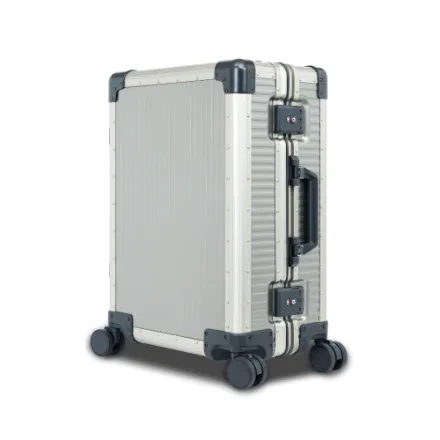
Note what is not on that list. The aluminum shell is generally not where this question lives, which is worth knowing before you commission testing on the wrong part. Which components a program even has is set at specification stage, in the tech pack, and a case built on your own tooling has a different component list from one built from catalog parts, a fork covered in OEM against ODM.
Two routes, and the honest trade-off
Test and stay under. You commission analysis on the components that carry risk, hold reports, and ship without a warning. It costs money per component and per color, and it has to be repeated when a component changes.
Warn. You apply the warning and skip the testing. Cheaper, faster, and it puts a cancer and reproductive harm notice on your packaging, which retailers and marketplaces increasingly ask about.
Plenty of serious brands take the second route deliberately. The failure mode is taking it accidentally, by inheriting a warning from a supplier’s template without knowing whether the product needed one.
One thing not to do is take the warning wording from a factory. The safe harbor content is prescribed by the state in regulation, down to the symbol and the sentence, and it has changed before. Copy it from the state’s own site, not from a previous supplier’s artwork. That principle applies to every regulatory mark on the carton, which is why it sits in our note on export packing and marks.
What to ask a factory for
Four things, and the first one is a document rather than an assurance.
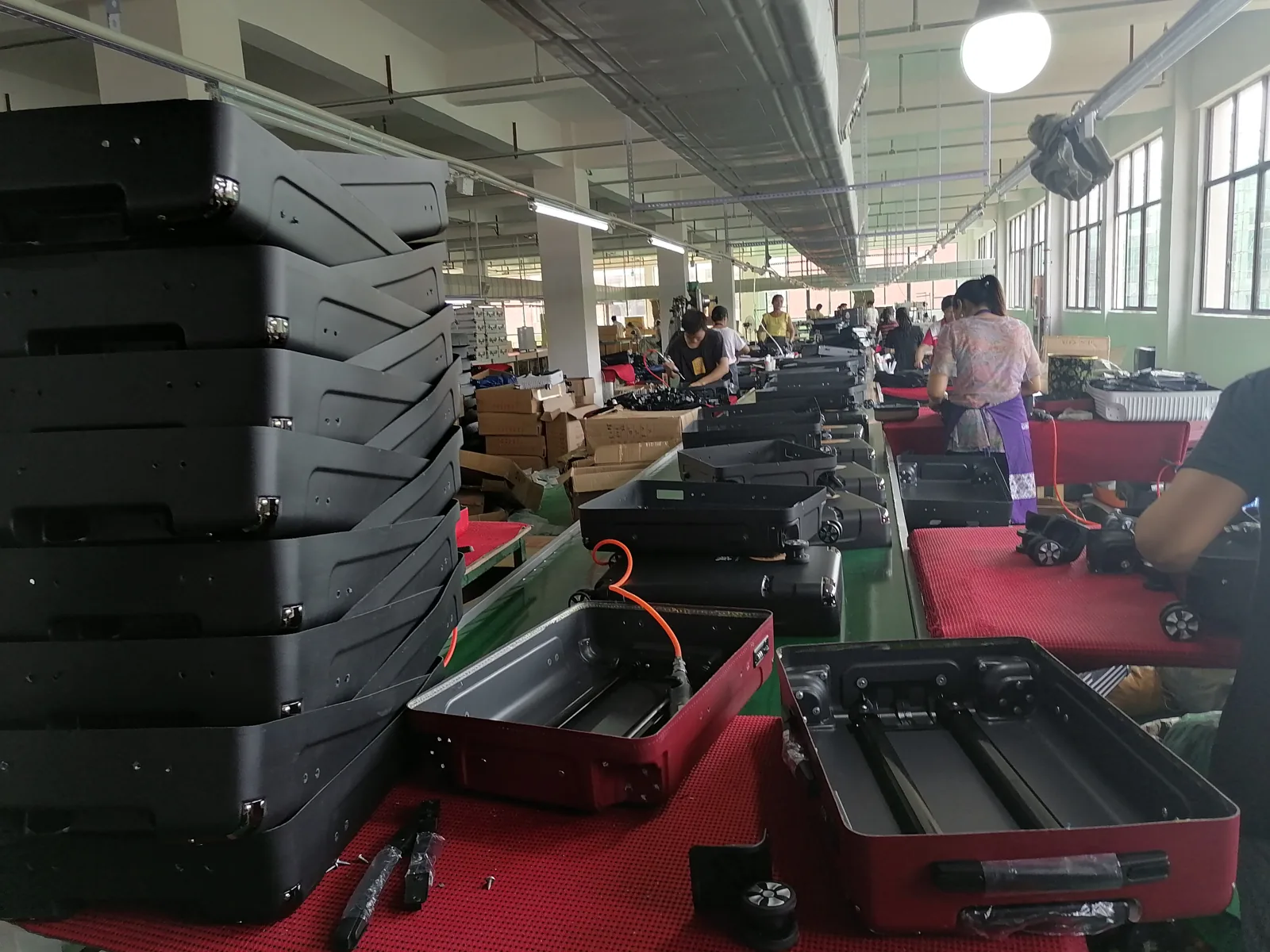
A restricted substances list you supply, not one we supply. Name the substances and the limits you want held to. A factory working to your list is checkable. A factory working to its own is not.
Test reports per component, not per product. A report on a finished case tells you less than a report on the lining, the coating, and the plated parts, because those are the things that get swapped. Where a substitution gets caught, or does not, is an inspection question covered in our note on pre-shipment inspection.
A component change notification term. Testing is a snapshot. Without a written obligation to tell you when a lining or a plating supplier changes, your report describes a case you no longer buy.
Retention of the material declarations. Keep them with the technical file rather than in an email thread, for the same reason set out in our note on the tests a luggage program is normally asked for.
Anything phrased as we comply with Prop 65 is not one of these four. It is a sentence. A sentence is not evidence.
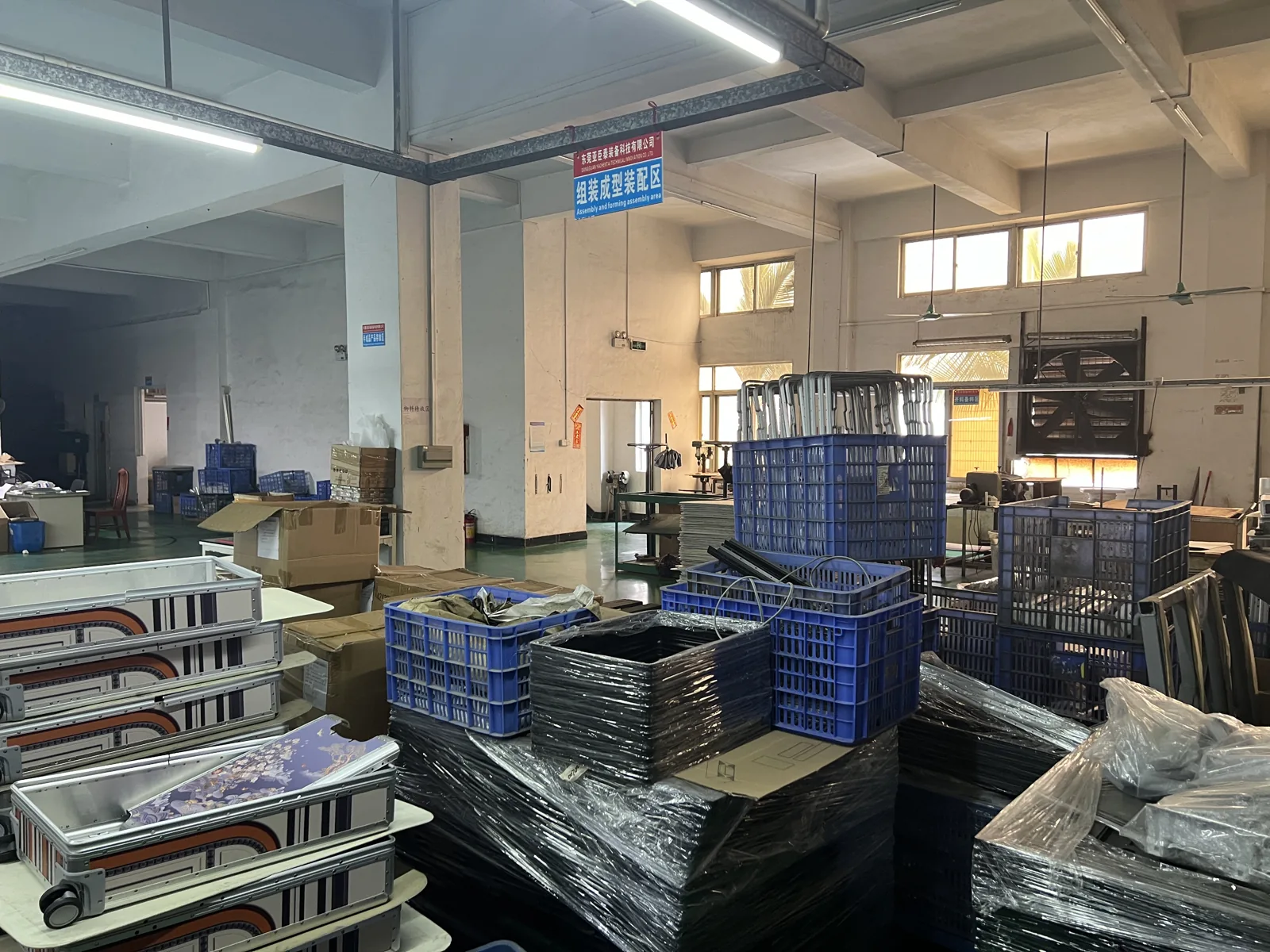
What we do and what we do not
We build to the restricted substances list you provide, and we will tell you where a specified component makes that list hard to hold rather than agreeing and hoping.
We support third party testing on components at your nominated laboratory, and we release the audit and test reports we hold on request at first inquiry.
Our minimum is 300 units per design, and smaller test batches are negotiable rather than refused. Sampling runs 7 to 15 days per round and bulk is 45 days from a confirmed sample.
We do not tell you that a case is Prop 65 compliant. Compliance here is an exposure assessment against a moving list under California law, and it belongs to the party placing the product on the market, which is not a factory in Dongguan. What we can do is supply the components you specified and the evidence about what they are.
Europe asks a related question by a different mechanism, with information duties rather than a warning label, set out in REACH and the Candidate List.
Frequently asked questions
Does luggage need a Prop 65 warning?
It depends on the components and on the exposure, not on the product category. The question is whether a listed chemical is present in a part people handle and at what level. In luggage the usual candidates are soft PVC linings and trim, coatings and prints, and plated or painted metal hardware, rather than the shell. A brand either tests those parts and holds reports, or applies the warning.
Who is liable if a suitcase needs a warning and does not have one?
Proposition 65 is largely enforced by private parties. California law requires anyone suing in the public interest to notify the Attorney General of the action and its outcome, and penalties for failing to warn can reach 2,500 dollars per violation per day. Because the exposure runs per unit and per day, the practical answer is that whoever is selling into California carries it, which is normally the brand or importer rather than the overseas factory.
Can our factory just add the warning label for us?
Printing it is easy and deciding it is not. The safe harbor warning content is prescribed by the state in regulation and has been revised before, so the wording should be taken from the state’s own materials rather than copied from a supplier’s existing artwork. More importantly, applying a warning is a commercial decision with retailer and marketplace consequences, so it should be made by the brand rather than inherited from a template.
Written by James
James works at aluvox.com in Houjie, Dongguan. Regulatory references on this page were checked against the official sources linked above in August 2026. This is not legal advice and the current official text governs.