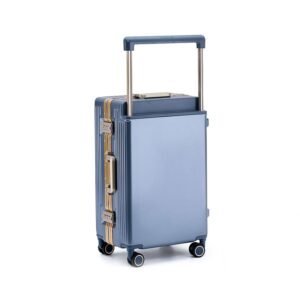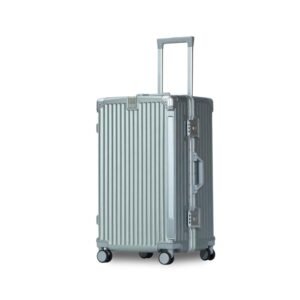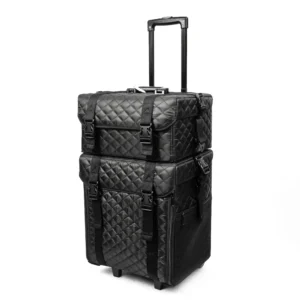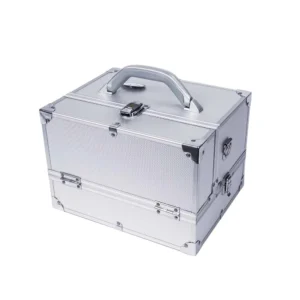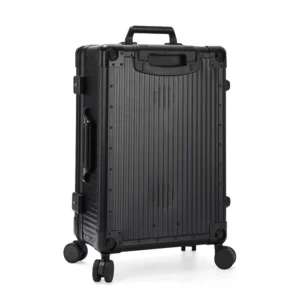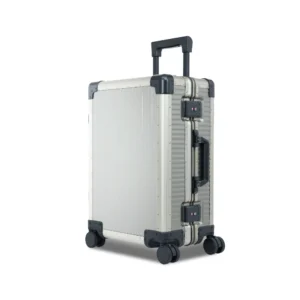


You can develop aluminum luggage for your brand from an existing model or start with a new product design. The right starting point depends on the difference you want to create: a look and configuration that suit your brand, or a different body, opening or storage structure.
Using Aluvox’s TS-006 and TS-003, this guide explains how to select a base model, develop your brand’s differences and carry the chosen configuration through the quotation, sample and bulk order. The same product details also provide a reference for reorders.
1. Where Does This Case Fit in Your Product Line?
A brand launching its first aluminum case, an established business adding a category and a luggage brand adding a business-travel model have different starting points. Tell us the role this case needs to fill in your range. That gives the discussion more direction than “we want premium aluminum luggage.”
If the range needs a coordinated metal appearance, the shell, hardware, logo and lining deserve attention together. If the case is intended for a business line, the discussion also needs to cover storage and access to work items. What you want the product to offer helps determine which changes deserve priority.
Bring your target retail price and purchasing budget into that discussion. The retail price describes the market position; the purchasing budget sets the room available for the case’s configuration. Allow separately for packaging, freight and development outside the quoted scope. A retail price alone cannot specify the right component package.
2. Customize an Existing Model or Develop a New Design?
If an existing model has the shape, dimensions and opening you need, it provides a starting point for your branding and configuration. A different shape or way of using the case needs its own review. The gap between your requirements and the existing model determines the work ahead.
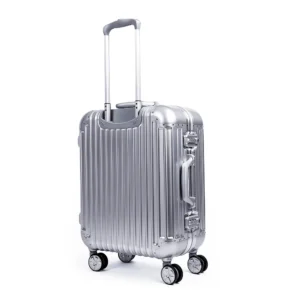
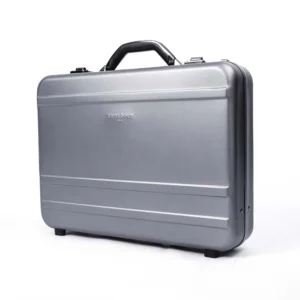
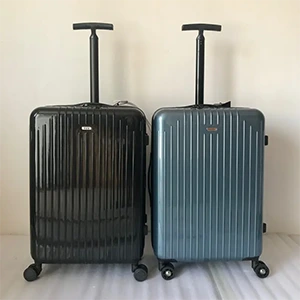
If the overall design of the Aluvox TS-006 suits your product, you can retain the body and opening and begin with the logo, finish and interior configuration. Identifying what you want to retain helps separate the base product from additional work in the quote and gives the sample a specific reference.
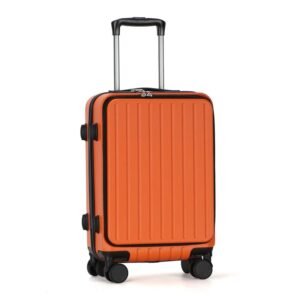
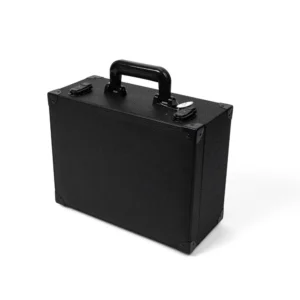
If your product needs access to frequently used items while the main compartment stays closed, consider the TS-003 with its leather front pocket. First establish how closely that model fits your intended product. Then work through the contents and layout of the pocket. The front-pocket customization guide covers those layout decisions in detail.
| Product requirement | Where to begin | What to settle |
|---|---|---|
| An existing case suits the product; you want your branding | Select the model and size, then discuss logo and appearance | Selected case, artwork, placement and physical result |
| Keep the existing body and change components or storage | Compare the standard and proposed configurations item by item | Change list, component fit and use of the sample |
| Existing models cannot provide the required shape or function | Show the difference with drawings or reference images | What can remain, what needs development, and the associated cost and schedule |
Changes also differ in depth. Applying a logo to the existing surface starts with artwork, placement and the selected process. Forming a raised or recessed logo in the shell requires a separate review of forming and tooling. Both requests add branding, but the work involved differs.
Take the TS-003 as another example. A pocket color or divider change can be considered around its existing leather pocket. A new shell opening or rigid front lid brings the opening action, fastening and connection to the body into the same structural proposal. An updated front-view image alone does not show how the complete case will work.
For that proposal, review the opening, connections and component positions in the drawings, then check the full action on a sample: opening and closing as intended, use with the planned contents packed, and whether connections obstruct other components. Establish which existing parts can remain and which need to be made again before defining the associated tooling and sample work. A new opening or rigid lid is a development direction requiring its own assessment; it does not inherit the existing pocket model’s configuration.
3. How Do You Turn Existing Cases Into Your Brand’s Range?
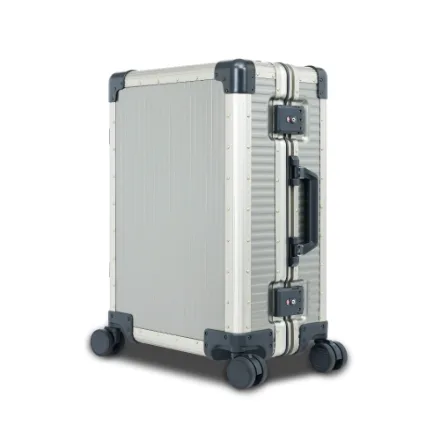
A range can share a visual identity while individual models serve different purposes. For example, a brand could select the TS-006 as its conventional travel case and the TS-003 as its front-pocket business model. The range-planning example below uses silver shells and dark details; the actual colors and configurations still need separate physical review.
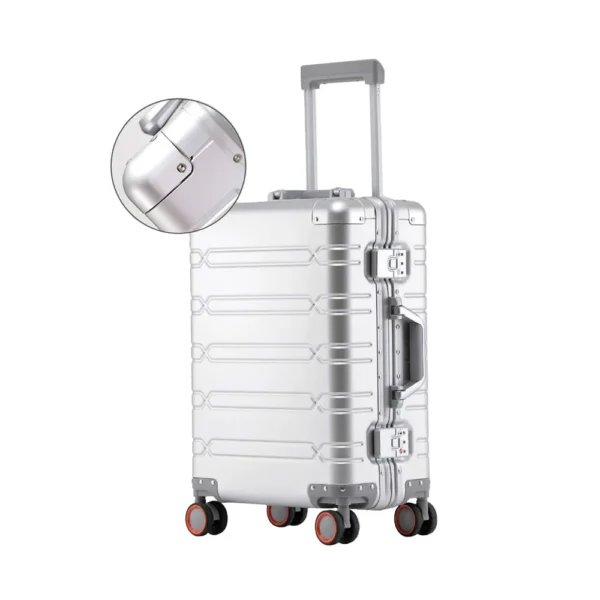
Existing-model image from Aluvox’s product page.

Existing-model image showing a brown leather pocket.
The images show the existing models’ construction and appearance. The silver-and-dark combination below is a planning example; custom colors and configurations need project sample approval.
| Shared brand direction | TS-006 conventional travel model | TS-003 front-pocket business model |
|---|---|---|
| One logo artwork | Position and width proportioned to the whole case | Position and width considered with the front area occupied by the pocket |
| Silver and dark colors | Silver shell with dark lining | Dark leather pocket against the silver shell, with lining following the same direction |
| Storage chosen by use | Clothing storage with divider panels, straps or storage bags to discuss | Laptop and documents in the front pocket; accessories such as a charger can be assigned to the main compartment |
| Shared packaging identity | Packing arranged for this model’s size and configuration | Packing dimensions and protection reviewed separately for this model |
The two cases can belong to one range, with a complete configuration for each. A component selected for one model does not automatically become standard on the other. A sample of one also cannot establish the appearance and use of the other.
Review the Whole Case Before the Individual Mark
For the range above, start with the shared artwork and review the logo on each case. On the TS-006, laser marking, UV printing and screen printing are options to consider against the artwork and surface. On the TS-003, review placement and proportions together with the front pocket. The logo customization guide compares the application methods in detail.
Specify the shell color together with its finish. For an anodized aluminum shell, “silver” leaves several choices open: brighter or more matte, and with what surface texture? The aluminum alloy and the surface preparation before anodizing both affect appearance. A physical reference, followed by review of color, brightness and texture on the proposed sample, gives both sides the same finish to discuss.
Aluminum shells, leather pockets and fabric linings present color differently. This example uses dark pockets and linings alongside silver shells, with physical references selected for each. If you want the materials to look closely matched, review them together; the same color name does not establish that match.
Evaluate What a Component Upgrade Changes
If you want to compare another wheel option, retain the base configuration and list the replacement separately. You can then assess the added cost and compare whether the sample provides the operating change you want. Handle and lock choices also depend on the specific model and installation.
For wheel comparisons, keep the case, packed load and floor surface the same. A component brand can be part of the specification; assess the proposed part on that case to see whether pushing, turning and rolling sound meet the intended requirements.
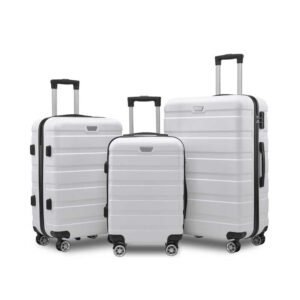
A coordinated range can be sold as individual models. If you plan a fixed set, settle the combination and packing separately, checking actual dimensions and carton arrangements. The luggage set guide explains those decisions.
4. How Do Quantity, Unit Price and Development Costs Fit Together?
For the conventional travel and front-pocket business models above, list each model’s size, color, configuration and quantity separately in the quotation. Shared logo artwork does not establish the same unit price: the body, pocket, interior and components belong to each model’s specification.
Aluvox has an existing-model logo-customization route from 50 pieces. The regular mixed-order arrangement starts at 300 pieces in total within the same material, combining styles, sizes and colors. The 50-piece route covers logo customization and does not apply to every modification. The 300-piece figure is the combined order total. Discuss the selected models and changes for your project; the MOQ guide explains the conditions in detail.
Separate unit prices from additional work when comparing proposals. Branding an existing case, replacing its components and changing its structure involve different work. Development charges should identify the part, mold or fixture they cover, along with the arrangements for samples and revisions.
| What you are comparing | Conditions to review together |
|---|---|
| Finished case price | Model, size, shell finish, components, interior and quantity |
| Development and tooling | Changes covered, one-time charges and charges that vary with production quantity |
| Samples | Versions and configurations included, revisions and further sample rounds |
| Packing and delivery | Packing and transport services included, destination and quoted delivery scope |
For a wheel upgrade, compare the base price and replacement-wheel price on the same model, size and quantity. The difference between two suitcase models includes several changes, so it cannot isolate the wheel cost. The quotation guide explains the comparison further.
Connect the launch plan to the date the goods need to reach your warehouse. Artwork and specification discussions, development, sampling, revisions, sample approval, production and transport all belong in that plan. Raise the required arrival date early. If a new structural requirement is added during sampling, revisit the costs and schedule associated with it.
5. What Needs to Be Settled Before Bulk Production?
At the sample stage, review the two models separately. On the conventional travel case, check the overall proportions, logo and clothing storage. On the front-pocket business case, also check the packed pocket, opening and access. Put the cases together to judge whether the shell, lining and branding details create the intended range appearance.
Use the sample with its intended contents packed: operate the closures, retrieve items, roll the case and lift it. For the front-pocket model, put the laptop in with its sleeve, check that the packed pocket closes properly and try removing the device. Nominal suitcase inches and laptop screen inches do not replace actual packed dimensions.
Make revision comments specific enough to act on. “A smaller logo” becomes a new width and position. “A more useful interior” becomes an identified storage area, its contents and how they should be accessed. Review the revised result against those comments. Keep unresolved items from the first sample on the change list.
What Do Sample Reviews, Performance Tests and Shipment Checks Establish?
Matching a sample to the agreed artwork and specifications establishes whether the intended product was made. Performance requirements, such as handle, wheel or fastening strength, need test evidence under the relevant conditions. Before shipment, the finished goods also need checks against the agreed appearance, configuration, workmanship and packing requirements. Discuss the tests, sampling arrangements and documents your project requires before arranging production.
Keep the approval for each model: artwork, logo position and dimensions, color and finish references, components, interior and packing. If only the front-pocket model’s logo position changes, update its artwork and sample record. List any unreviewed sizes or colors and agree how to check them, so a general approval of the range does not hide differences between versions.
6. How Do You Keep the Product Defined for Reorders?
If the next order is for the front-pocket business model alone, start from its final approved configuration. We recommend linking your product code to the factory model, size, color, components, interior, packing and sample version. If the logo or components changed during the first order, use the final approved details for reorders rather than an early quotation image.
Even retained configurations need to be reviewed against the new quantity and current component availability. For a proposed replacement, review differences in appearance, installation and operation. Treat an added color or size as its own version. Discuss pricing, lead time and any samples that need another review for that order.
To begin a discussion with Aluvox, send a reference model or images, intended market, the features you want the product to offer, budget, estimated quantity and required arrival date. Include any logo artwork or drawings you already have. For undecided details, list the options you want to compare.