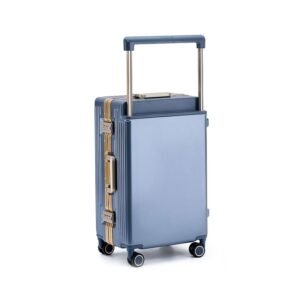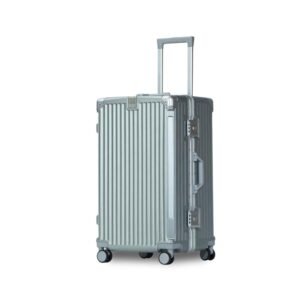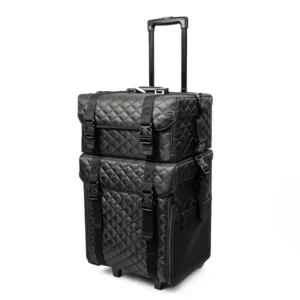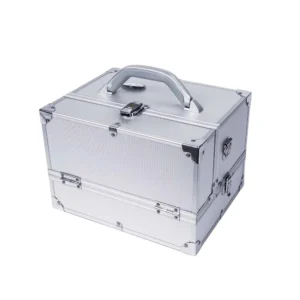

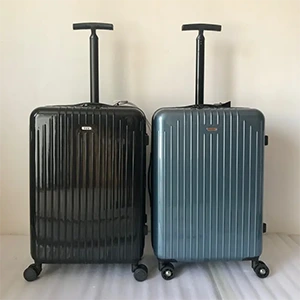
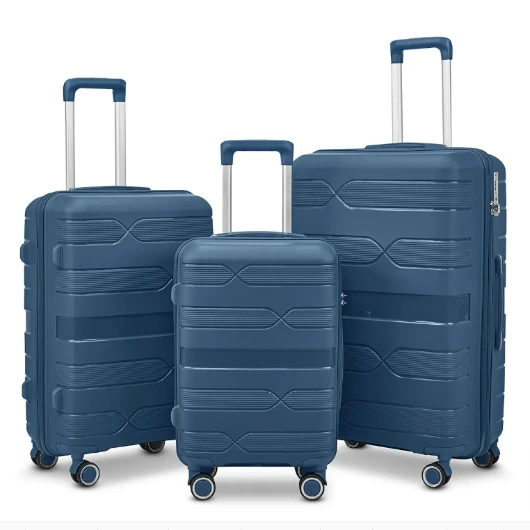
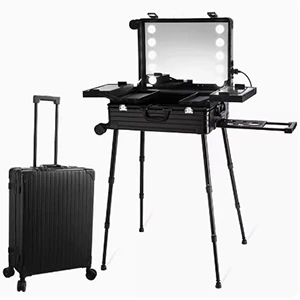
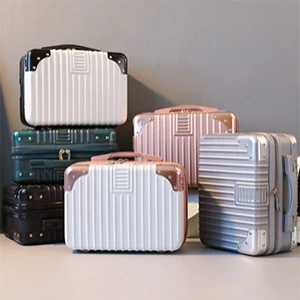
On 13 December 2024 the answer to “does this case meet UK requirements” stopped being one answer. Two markets now sit inside the United Kingdom, running two different rulebooks, and nothing on the carton tells you which one a shipment is walking into.
Most sourcing guides still treat the UK as a single destination. That was true until that date.
What changed and what stayed the same
The EU replaced its old product safety directive with Regulation (EU) 2023/988, which applies from 13 December 2024. The United Kingdom did not follow it across the whole country.
The government guidance page for Great Britain is direct about the split. It applies to England, Scotland and Wales, and it states that in Northern Ireland the General Product Safety Regulations 2005 were superseded on 13 December 2024 by the EU Regulation on general product safety 2023/988. Source: GOV.UK, General Product Safety Regulations: Great Britain, last updated 13 December 2024, checked as of August 2026.
So Great Britain kept the 2005 regulations. Northern Ireland moved to the EU regime. One country, two answers, and the divergence runs through the middle of a single customer’s order book.
Who carries the duty in Great Britain
This is the part brands get wrong, because the word producer does not mean what it looks like it means.
Regulation 2 of the General Product Safety Regulations 2005 defines a producer as the manufacturer of a product when he is established in the United Kingdom, and also, where the manufacturer is not established in the United Kingdom, the person established in the United Kingdom that places a product from a country outside the United Kingdom on the market. A distributor is defined separately as a professional in the supply chain whose activity does not affect the safety properties of a product. Source: The General Product Safety Regulations 2005, regulation 2, checked as of August 2026.
Read that definition against your own supply chain. A factory in Dongguan is not established in the United Kingdom. The party that imports the case into Great Britain is. Under the 2005 definition that importer is the producer, with producer duties, whatever the purchase order calls them.
Nobody appoints anybody. The duty attaches by where you are established and what you do, which is a different mechanism from the EU one.
How Northern Ireland works differently
In the EU regime the requirement is written as a gate rather than a definition. Government guidance on the regulation states that for products regulated by GPSR to be placed on the market, there must be a responsible economic operator in place to ensure compliance tasks are fulfilled. Source: GOV.UK, EU Regulation 2023/988 on general product safety, checked as of August 2026.
The practical difference is small on paper and large in a program. In Great Britain the duty lands on a party who is already there. For Northern Ireland somebody has to exist, be established in the right place, and be named on the product. If your distributor covers the island of Ireland from Dublin, or Belfast is served through a Great Britain warehouse, that is worth mapping before the artwork is signed off. We covered the EU side of that role in detail in our note on what GPSR requires of a luggage program.
What is coming, and why it does not change your answer today
The Product Regulation and Metrology Act 2025, chapter 20, received Royal Assent on 21 July 2025. Source: Product Regulation and Metrology Act 2025, legislation.gov.uk, checked as of August 2026.
It is a framework. It gives the Secretary of State power to make regulations about product safety and about alignment with EU requirements. It does not, by itself, tell you what to print on a suitcase. The rules that bite come later, in secondary legislation made under it.
Which is a reason to build the file rather than the label. A technical file, a risk assessment, and traceable batch identification survive a change of regime. Artwork tied to one wording does not.
What a luggage program should actually have
Five things, and none of them are certificates.
A named party for each destination. Great Britain, Northern Ireland, and the EU, written down, with the address that will appear on the product or the packaging.
A risk assessment that mentions luggage risks. Handle collapse under load, wheel or caster failure, sharp edges on a formed shell, latch and lock entrapment, and for anything aimed at children the small parts question. A generic template with the product name changed is not a risk assessment.
Test evidence held by the brand, not the factory. Drop, handle fatigue, wheel abrasion, and where relevant restricted substances. Our note on the tests a luggage program is normally asked for covers what these look like in practice.
Batch identification that traces back to a production run. A number that identifies nothing is compliant in form and useless in a recall, which is the situation the requirement exists for.
Marking decided at drawing stage. On an aluminum shell a permanent mark is a process step, not a sticker. Where it goes and how it is applied belongs in the specification alongside everything else in the tech pack, and the method options are the same ones covered in logo application on metal and plastic cases.
Two special cases sit outside the general regime and have their own rules. Children’s luggage carries separate obligations wherever it is sold, and the US route is set out in our note on CPSIA testing for kids’ luggage. Cases with a built in battery are governed by transport and battery rules rather than general product safety, covered in smart luggage battery rules. If you are shipping the same range to the United States as well, the origin marking question is different again and sits in importing aluminum luggage into the US.
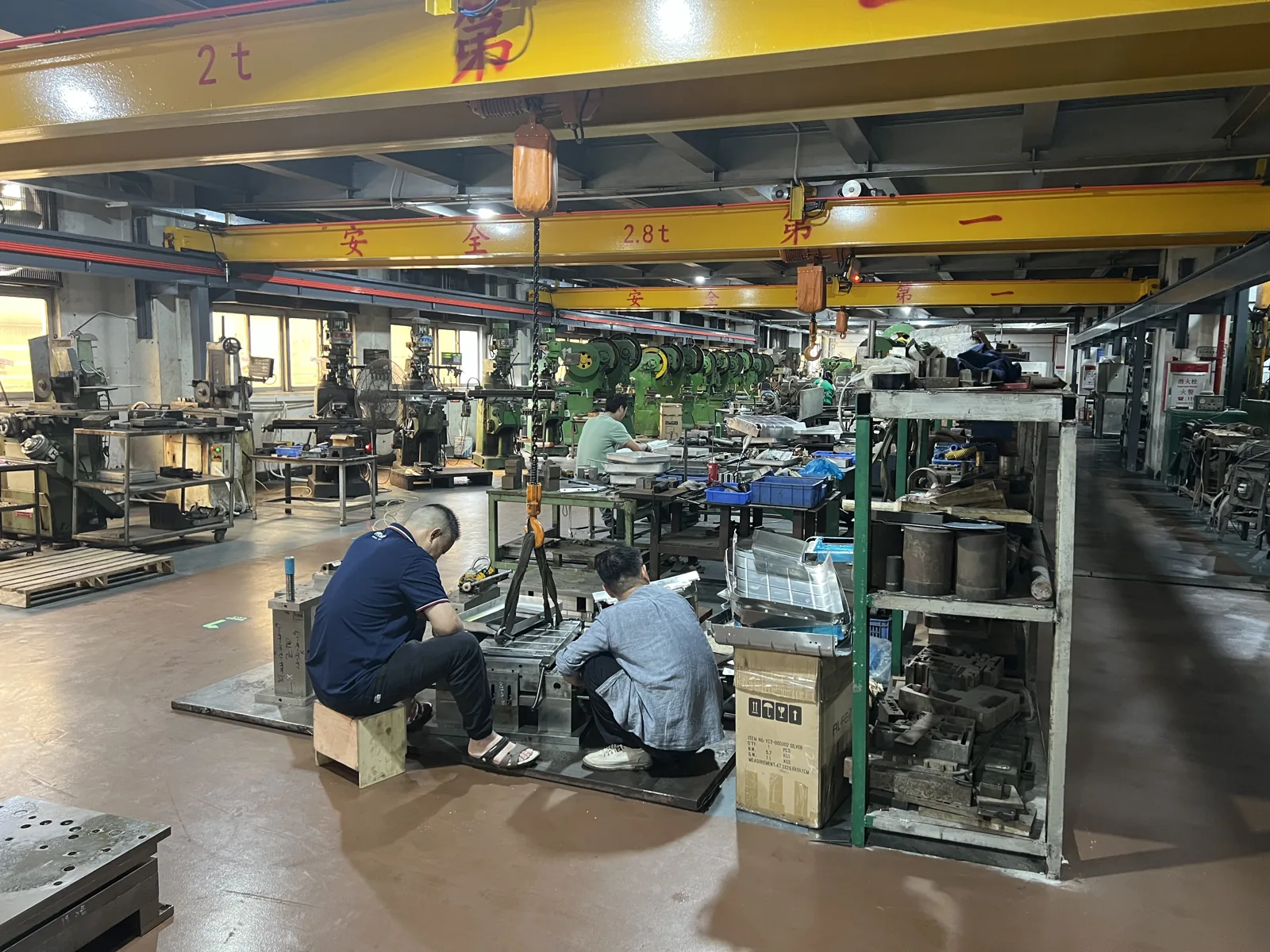
What we do and what we do not
We are not established in the United Kingdom or in the Union, so we cannot be your producer under the 2005 regulations or your responsible economic operator under the EU one. That is a question of where a party is established, not of how well a supplier knows your program.
What we can do is supply the inputs the file is built from. Construction detail, material identification, component sources, and any testing done on our side. We apply the marking, batch identification, and inserts to your artwork, on the product and on the carton.
Our minimum is 300 units per design, and smaller test batches are negotiable rather than refused. Sampling runs 7 to 15 days per round and bulk is 45 days from a confirmed sample.
We do not issue a technical file as a finished document. The risk assessment belongs to whoever is placing the product on the market, and a factory writing it for you produces a document nobody can defend.
Frequently asked questions
Does the EU GPSR apply to products sold in the UK?
Not in Great Britain. England, Scotland and Wales continue under the General Product Safety Regulations 2005. Northern Ireland is different. Government guidance states that the 2005 regulations were superseded there on 13 December 2024 by Regulation (EU) 2023/988, so a range sold across the whole United Kingdom meets two sets of requirements.
Do we need a UK responsible person for luggage?
The Great Britain regime works by definition rather than appointment. Regulation 2 of the 2005 regulations treats the person established in the United Kingdom who places a product from outside the United Kingdom on the market as the producer, which normally means the importer. For Northern Ireland the EU rule applies and government guidance states that a responsible economic operator must be in place for the product to be placed on the market.
Does the Product Regulation and Metrology Act 2025 change what we print on the product?
Not on its own. It received Royal Assent on 21 July 2025 and is enabling legislation, giving ministers power to make product regulations rather than setting requirements directly. What lands on the product will come from regulations made under it, so the sensible response is to keep the technical file and batch traceability current rather than to redesign artwork now.
Written by James
James works at aluvox.com in Houjie, Dongguan. Regulatory references on this page were checked against the official sources linked above in August 2026. This is not legal advice and the current official text governs.