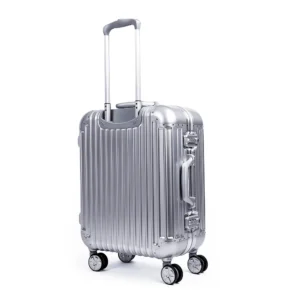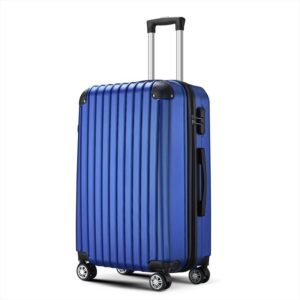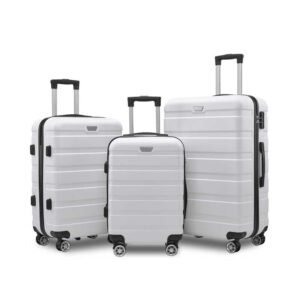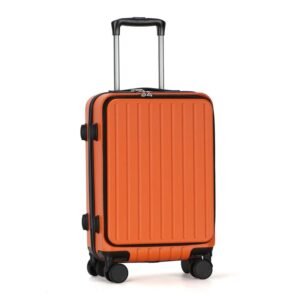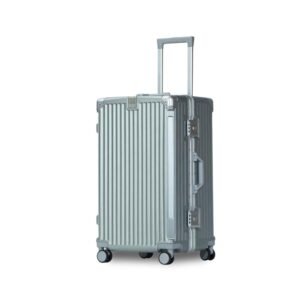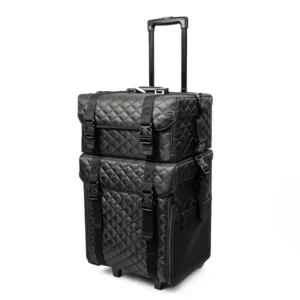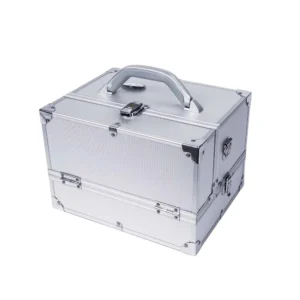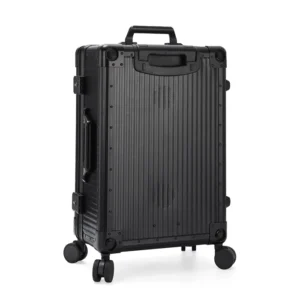



Luggage Mold Cost: Three Ways It Gets Paid, and What Each One Costs You
What actually drives a luggage tooling number, the three mechanisms it can be paid under, and why an amortized tool is not yours until it is paid in full.
Luggage Payment Terms: Every Structure Puts the Risk Somewhere
Five payment structures ranked by who is exposed, why a deposit exists, and the four clauses that matter more than the percentage split.
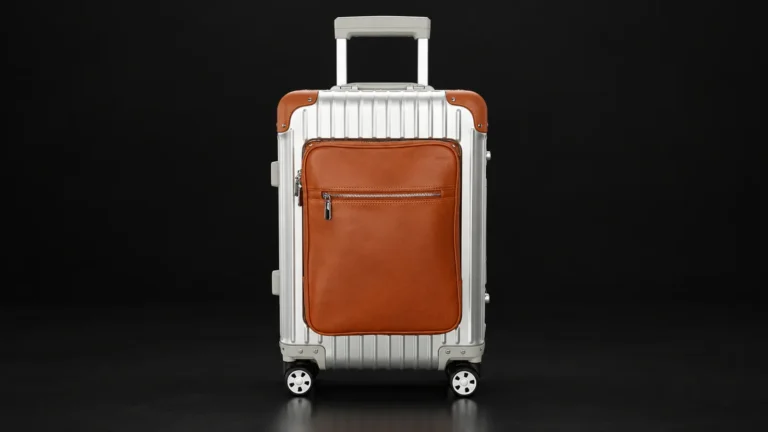
Custom Luggage Logo: On Aluminum the Method Is a Sequence Decision
Mark before anodizing or after, and the answer decides how long the logo lasts and whether you can change it. Five branding routes on a metal shell, plus why component color matching is hard.
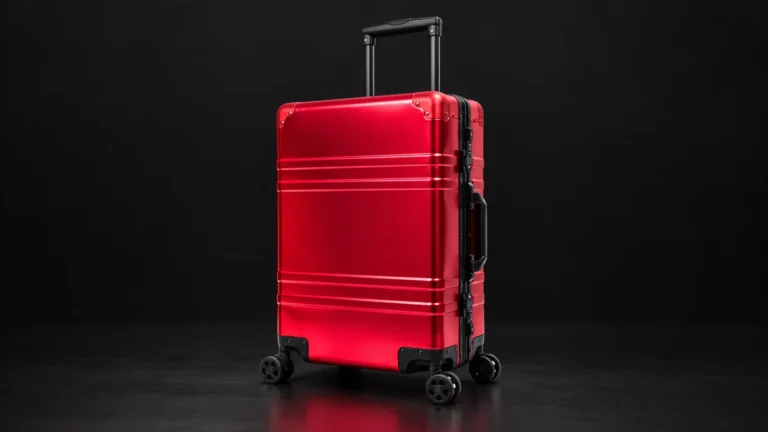
Luggage AQL Inspection: The Standard Does Not Say What a Defect Is
ISO 2859-1 was reissued in January 2026. How inspection levels set the sample size, and why the defect classification list decides more than the AQL figure does.
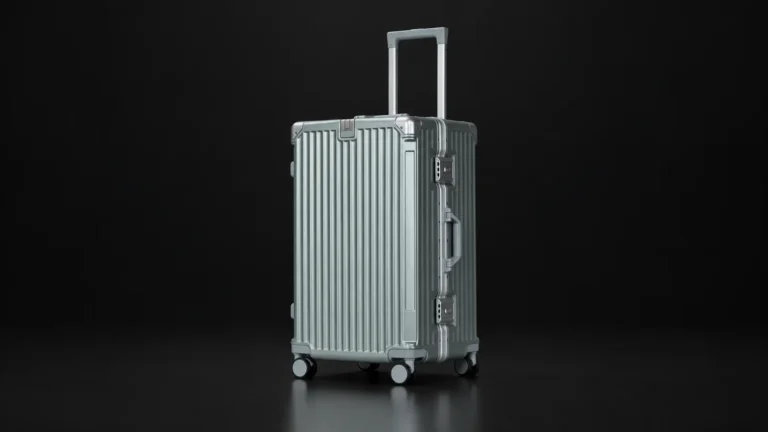
Luggage Production Lead Time: The 45 Days Is One Segment Out of Five
Bulk production is 45 days from a confirmed sample, not from the purchase order. The five segments of a luggage program, which two belong to the brand, and how to plan around Chinese New Year 2027.
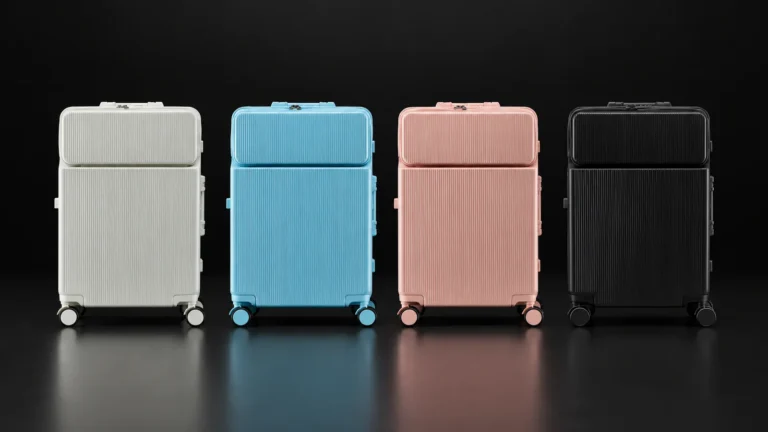
Can One Luggage Mold Run ABS, PP, and PC?
Luggage shells are made two different ways, and the word mold covers both. Published shrink rates, forming windows, and the four questions to ask before you accept a shared tool.
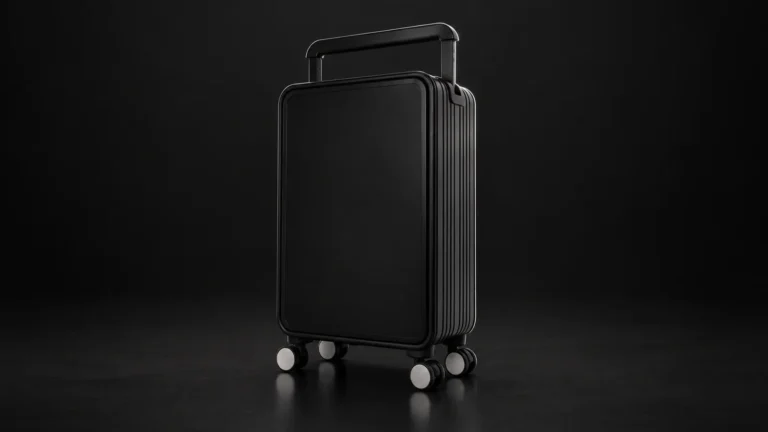
The Luggage Tech Pack: The Fields That Decide Your Quote
A factory cannot quote from a photograph. The nine field groups a luggage quote actually needs, and what 2,424 real buyer inquiries show brands leave out.

Kids Luggage for the US: The Certificate Is Not the Factory to Give
US children products need third party testing at a CPSC-accepted lab and a Children Product Certificate, and the testing recurs. Who issues what, how often, and why the number of designs drives the cost.
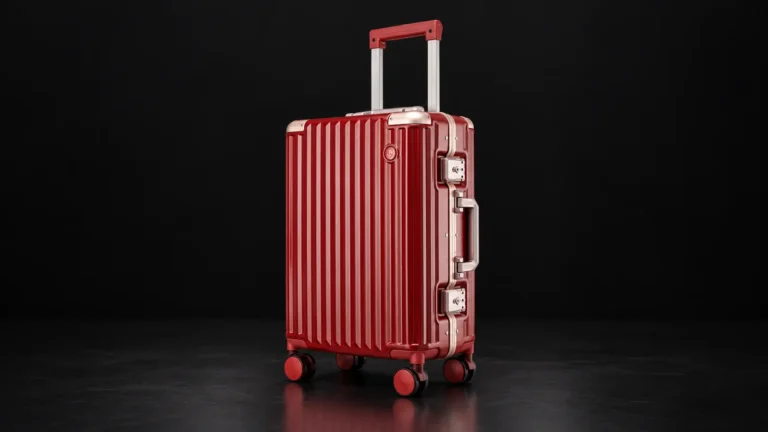
Smart Luggage: If the Battery Does Not Come Out, the Bag Cannot Be Checked
FAA rules allow a battery in checked baggage only under 2.7 Wh, which no usable power bank meets. Why removable is the only workable design, and why the battery cavity belongs on the tooling drawing.
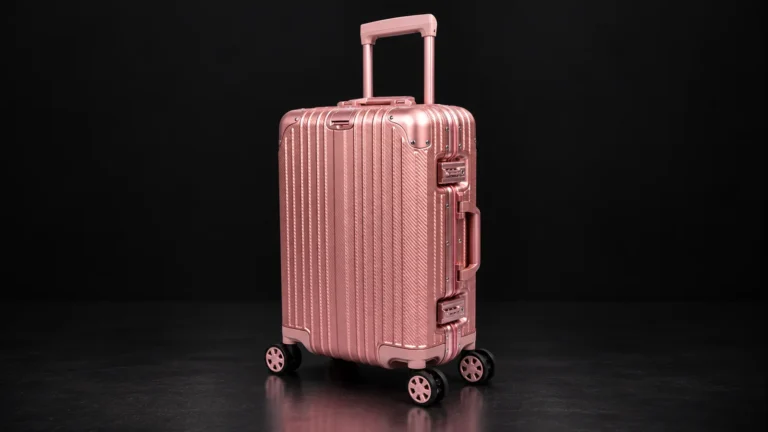
Designed in USA, Made in China: What You Can Engrave on the Case
Print a US city on an imported case and Customs requires the origin line beside it, at comparable size, permanently. The FTC rule on what you can claim, the Customs rule on what you must mark, and why both land on the tooling drawing.
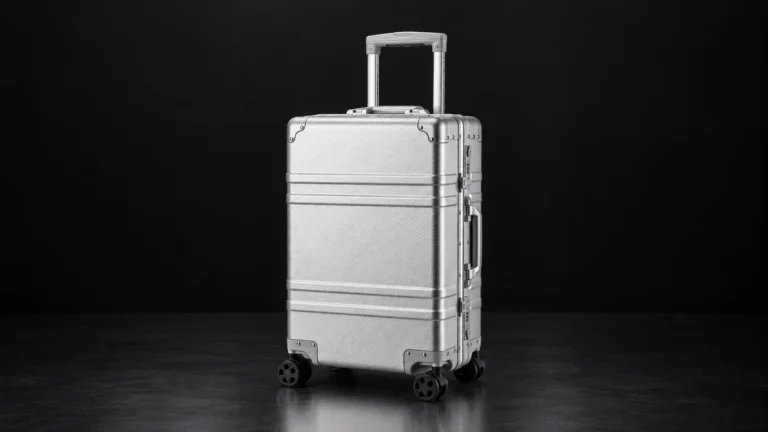
Aluminum Luggage into the US: The Code, the Mark, and the 10 Percent
A full aluminum case and an aluminum frame case enter the United States under different HTS subheadings. The classification rule, the marking standard that adds 10 percent when it fails, and how to check the part that keeps changing.
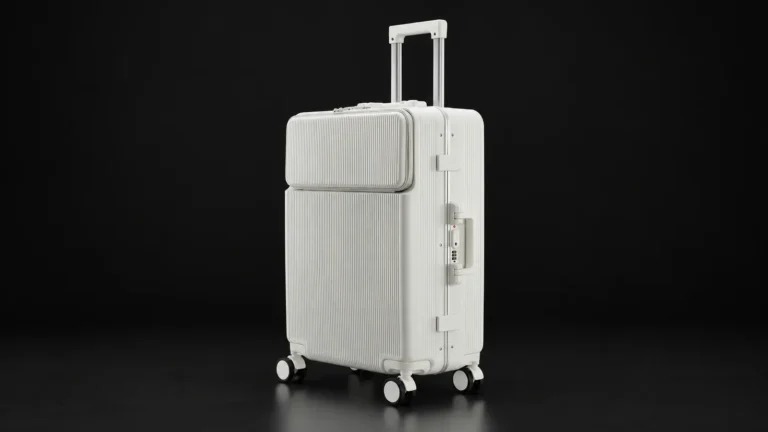
OEM vs ODM in Luggage: Who Owns the Drawing, Who Pays the Tooling
The acronyms are not the decision. Whether your change needs a new die is. How to sort a change list into tooling and no tooling, why most first programs should be ODM, and the one term to settle before you sign.
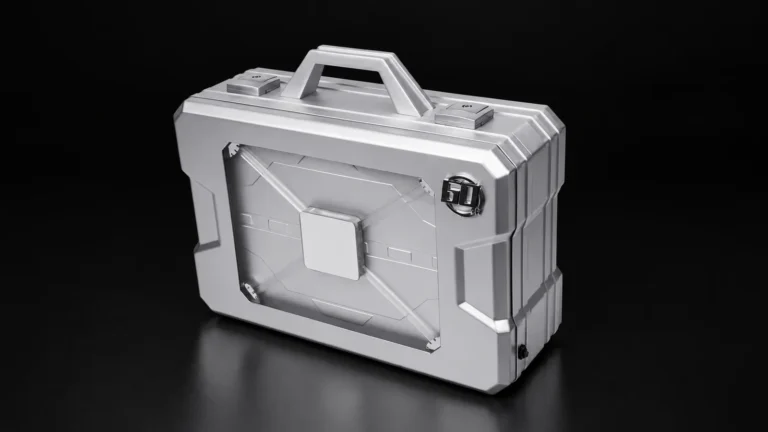
Makeup Case MOQ Is Per Design, Not Per Order
Three colorways is three designs. Why a makeup case minimum attaches to the design rather than the order, what counts as a separate design, and how to launch a range without paying for one.

TSA Approved Locks: The Factory Does Not Hold the Certificate
Travel Sentry certifies the lock, not the suitcase, and not the factory that built it. Who to ask for the paperwork, what belongs in the answer, and why the lock has to be chosen before the die is cut.
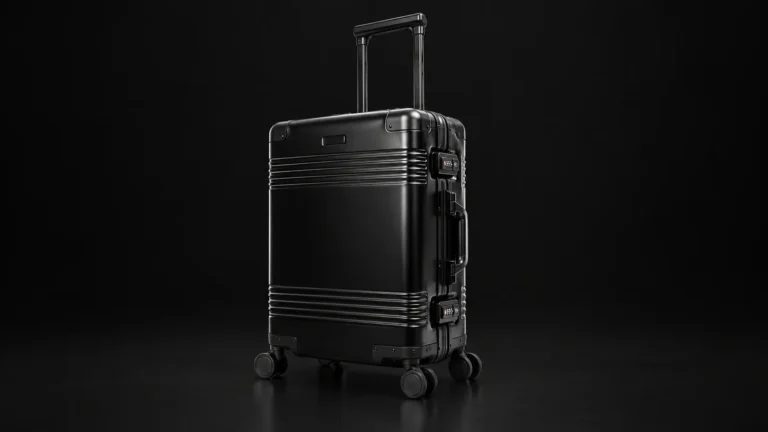
Sourcing a Luggage Telescopic Handle: Four Questions Before the Die Is Cut
Almost no case factory makes its own telescopic handle. Four questions that tell you which handle a supplier bought and why, plus the rail position decision that quietly costs you packing volume.
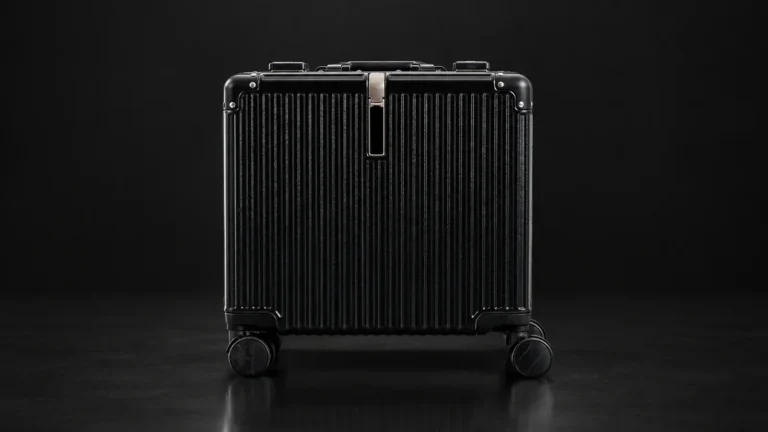
The Luggage Sampling Process, and the Three Decisions That Gate It
Sampling runs 7 to 15 days, and the range depends on your drawing rather than the factory. The three decisions that have to be locked before day one, what a sample proves, and where the days actually go.
Luggage Factory Audit Checklist: Eight Things to Point the Camera At
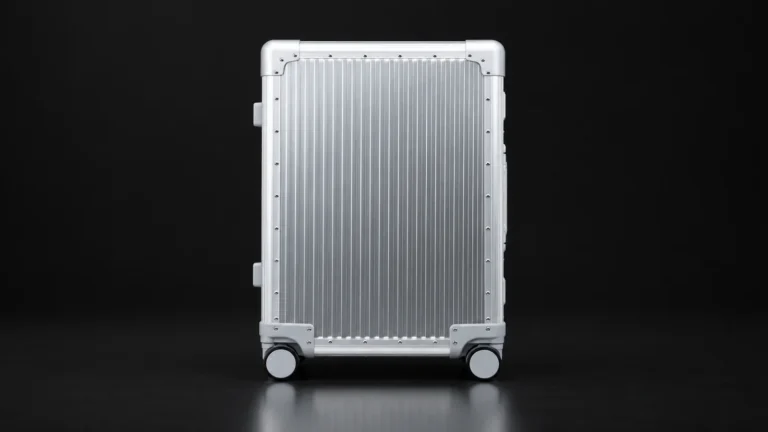
A video factory audit is only useful if you know what to ask for. The eight stations worth seeing on a luggage line, what a camera cannot show you, and the questions that separate a real factory from a staged walkthrough.
Third-Party Luggage Testing: The Standards a Report Should Name
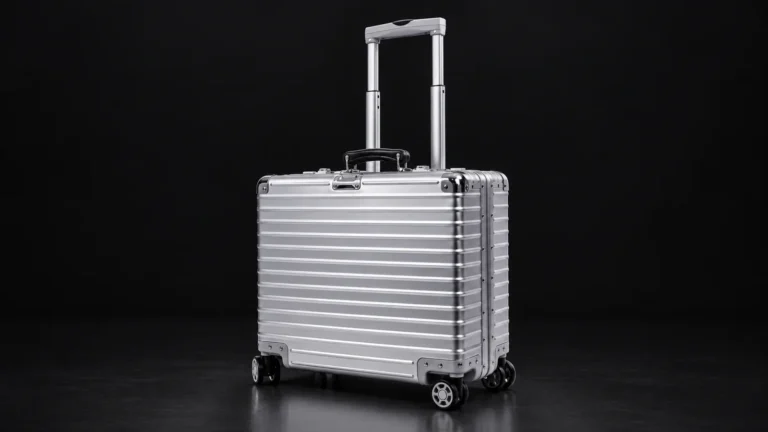
A third-party luggage test report counts only if it names the lab, the report number, the batch and the method. Which standards to look for, from QB/T 2155 to drop and handle tests.
What a Luggage Factory in China Can Tell You in Four Numbers
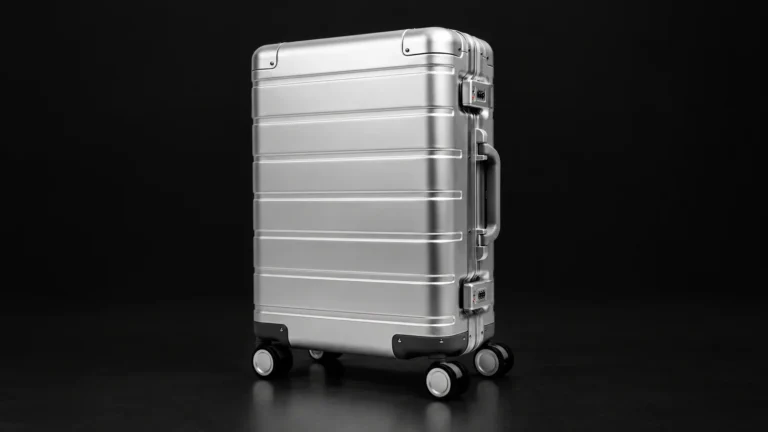
Four numbers separate a luggage factory in China from a trading company: minimum order, sampling days, bulk lead time, and which aluminum grade is stock. Here is what each answer means, our ten patent numbers so you can verify them yourself, and what 2,424 real buyer inquiries say about the order to ask them in.
PP luggage manufacturer: an OEM sourcing guide
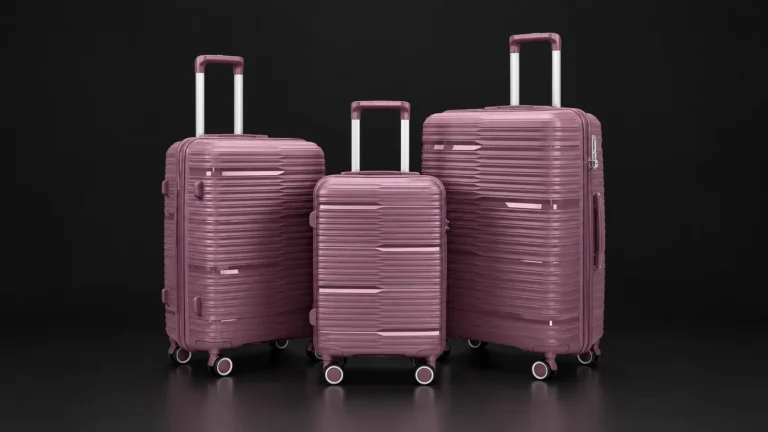
PP is the lightest, most affordable hardside material — and the easiest to get wrong. Here is how B2B buyers spec virgin polypropylene, structure and MOQ.
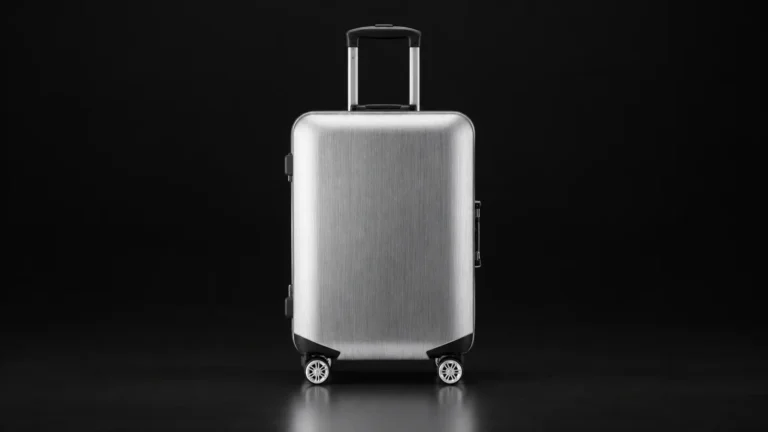
PC Luggage: A B2B Sourcing Guide to Polycarbonate
PC luggage lives or dies on one thing: virgin polycarbonate versus recycled. Here is how B2B buyers spec and source PC hardside luggage that survives the hold.
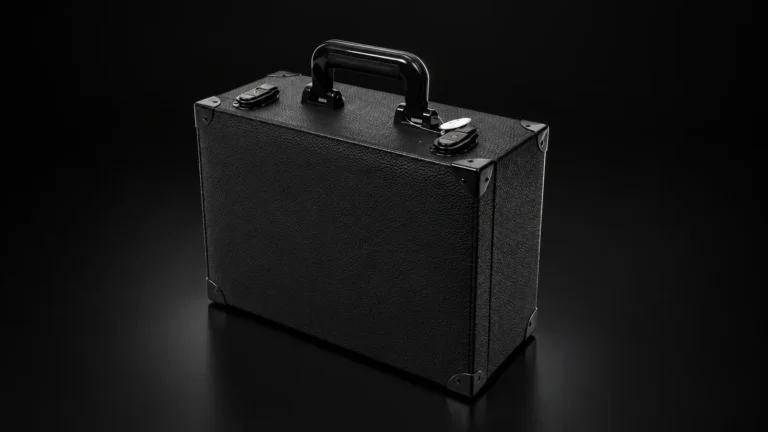
Aluminum Tool Case Manufacturer: OEM Sourcing Guide
Tool panel, dividers, foam — an aluminum tool case is judged on its interior. Here is how B2B buyers spec and source one for a technician line.
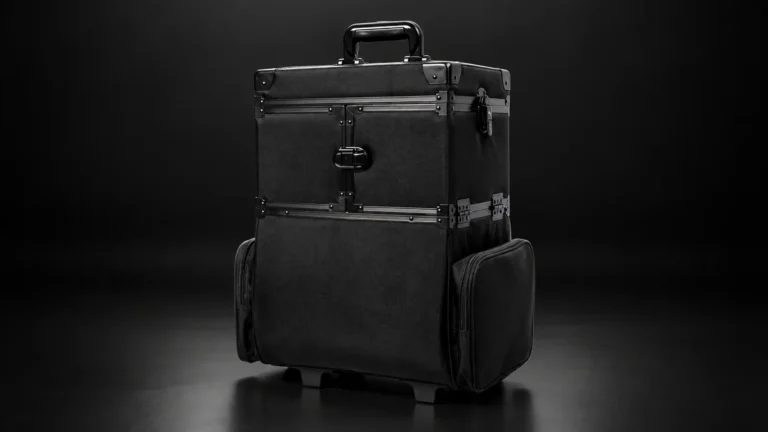
ABS Makeup Case Manufacturer: An OEM Sourcing Guide
An ABS makeup case is the affordable train-case tier — but only if it is built right. Here is how B2B buyers spec construction, features and MOQ.
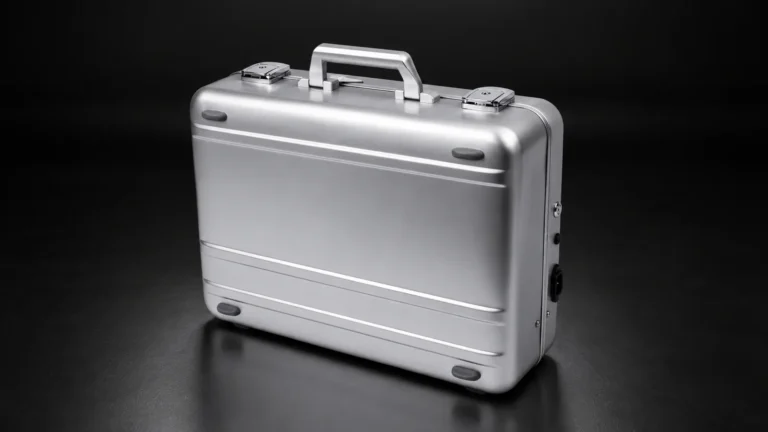
Aluminum Instrument Case Manufacturer: Sourcing Guide
An aluminum instrument case is judged on its foam. Here is how B2B buyers spec CNC, ESD and medical-grade interiors and source one that protects precision gear.